How to Choose the Best Half Zip Jacket for Your Brand?

Time:2026-09-25 Author:Mason
0%

Choosing the right Half Zip Jacket can shape how customers remember your brand. It affects comfort, appearance, durability, and perceived value. A jacket may look excellent online, yet feel stiff during movement. Small details matter, including zipper quality, collar height, fabric weight, and seam finishing.

This guide examines practical factors that experienced apparel teams should review before placing an order. Fabric composition influences breathability, warmth, shrinkage, and care requirements. A brushed fleece jacket feels soft, while a lightweight polyester style suits active customers. Check the GSM carefully. It gives a clearer idea of fabric density than photographs alone. Request samples before approving bulk production. Test the zipper repeatedly, wash the garment, and inspect stitching after drying. These steps reveal weaknesses early.

Fit deserves equal attention. A half zip jacket with narrow shoulders may restrict movement. An oversized cut may weaken your intended brand image. Ask your supplier for measurement charts and production tolerances. Reliable suppliers should explain material origins, testing procedures, and quality-control standards clearly. Certifications can support trust, but they should be verified rather than assumed. That part is often overlooked.

A perfect choice rarely exists. Cost, performance, design, and lead time may conflict. I have seen attractive samples fail after repeated washing. Therefore, your final decision should reflect real customer use, not only visual appeal. Compare samples under ordinary conditions. Let staff wear them. Record honest feedback. This article will help you choose a Half Zip Jacket that supports your brand’s identity and earns repeat trust.
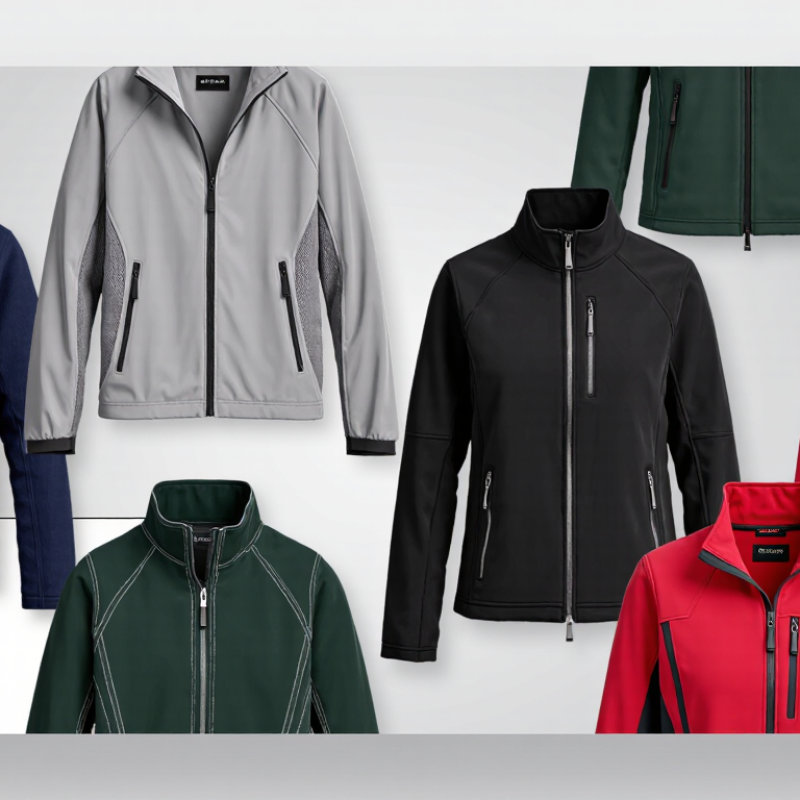
How to Choose the Best Half Zip Jacket for Your Brand?

Define Your Brand’s Audience and Intended Use

Choosing a half zip jacket starts with knowing who will wear it and where. A commuter needs wind protection, easy layering, and secure pockets. A runner needs stretch, breathability, and low weight. A school or work team may prioritize consistent sizing and decoration space.

The Global Wellness Institute reported that the physical activity economy reached $1.1 trillion in 2022. That figure signals broad demand, but it does not define your customer.

Build a practical audience profile before selecting fabric or trim. Record age range, climate, activity level, purchase budget, and wearing frequency. Then describe the main use in one sentence.

“For cool morning commutes” is more useful than “for active lifestyles.”

The 2024 Textile Exchange Materials Market Report stated that polyester represented about 59% of global fiber production in 2023. It can support durability and moisture management, but fiber choice alone cannot prove comfort. Test the jacket over a shirt, under a coat, and after repeated washing.

Details reveal weak assumptions.

A slim fit may suit urban users, yet restrict warm-up movement. A lightweight shell may pack well, but feel too thin in cold wind.

Field testing with several body types can expose these problems early. Keep notes, not impressions.

I would also question whether a decorative chest area reduces usable storage. Sometimes the most attractive sample is the least practical one.

Let the intended use decide the half zip’s weight, fit, pocket placement, and finishing.

Choose the Right Fabric and Performance Features

How to Choose the Best Half Zip Jacket for Your Brand?

Fabric determines how a half zip jacket feels, performs, and survives repeated wear. For active collections, consider polyester or nylon blends with stretch. They support movement and dry faster than heavy cotton. A brushed polyester interior can add warmth without creating excessive bulk. For casual lines, cotton blends offer softness and a familiar hand feel. However, they may absorb moisture and dry slowly. Touch the fabric under bright light. Thin areas can reveal weak construction.

Performance features should match the jacket’s intended use. A smooth half zip reduces friction around the neck. A chin guard helps prevent uncomfortable rubbing. Look for flat seams, secure cuffs, and a hem that stays in place during movement. Breathability matters, but “breathable” is not a complete specification. Ask for test data when possible. A water-resistant finish may lose strength after washing, which is easy to overlook.

Tips: Request fabric swatches before approving bulk production. Wash and tumble-dry samples according to the care label. Check shrinkage, pilling, color change, and zipper function. Test the jacket over a T-shirt and a light sweater. Small details matter. Do not choose fabric by appearance alone. My practical mistake was trusting a soft sample before testing its recovery. It looked excellent, but the cuffs loosened after repeated wear. That lesson still influences every material review.

Select the Fit, Half-Zip Design, and Customization Options

A useful half-zip starts with its intended use. For a lightweight training layer, allow room for a base shirt without adding excess fabric at the waist. For a relaxed casual style, a slightly dropped shoulder can feel comfortable, but too much width may bunch beneath a coat. Check sleeve length, chest ease, and body length on several sample sizes. Test it in motion.

The zipper changes both function and appearance. A shorter opening gives a cleaner, warmer neckline; a longer one allows easier ventilation. Try the zipper while wearing the collar up and folded down. Look for a smooth pull, secure stitching, and a zipper guard that does not rub the chin. Small details matter. A sample can look polished on a table yet feel stiff during a full day of wear.

Customization should support the garment, not crowd it. Choose fabric weight and color based on the season and how often the jacket will be washed. Embroidery suits compact chest designs, while larger prints may work better on a smooth panel. Ask for a physical sample with the intended decoration, then wash and wear it before approving production. Even careful measurements can miss how a fabric changes after washing, so leave room to revise the fit or placement.

How to Choose the Best Half Zip Jacket for Your Brand? - Select the Fit, Half-Zip Design, and Customization Options

Decision area Options and typical specifications Best suited for What to confirm before ordering
Fit Regular fit with room for a base layer; slim fit with a closer shape; relaxed fit with extra ease through the body and sleeves. Regular: versatile everyday wear. Slim: a streamlined uniform or lightweight mid-layer. Relaxed: layering and casual use. Review garment measurements—not only size labels—including chest, body length, shoulder width, and sleeve length. Test the fit over the intended base layer.
Fabric weight Lightweight knits are often around 180–240 g/m²; midweight options around 240–320 g/m²; heavier fleece styles commonly start around 320 g/m². Lightweight: indoor wear or mild weather. Midweight: versatile layering. Heavier fabric: cooler conditions and a warmer hand feel. Check the fabric composition, weight, stretch, surface texture, and care instructions. Weight alone does not determine warmth.
Fabric construction Fleece for a soft, warm interior; French terry for loopback texture; smooth performance knit for stretch and easier movement. Fleece: casual or cold-weather styles. French terry: transitional layering. Performance knit: active or workwear applications. Ask for a fabric swatch and assess pilling, opacity, recovery after stretching, and appearance after washing.
Half-zip length A shorter opening creates a compact neckline; a longer opening gives more ventilation and makes the garment easier to pull on. The finished length depends on size and design. Shorter opening: a clean, minimal look. Longer opening: adjustable airflow and easier dressing. Check zipper placement and length on a fit sample. Make sure the opening does not feel restrictive when zipped and does not gape when open.
Zipper and finishing Choose a zipper suited to the garment’s weight and intended use, with a compatible puller, zipper tape, and top-stop finish. A chin guard can cover the top of the zipper. Lightweight zippers suit lighter knits; sturdier zipper components are appropriate for heavier fabrics and frequent use. Test smooth operation, seam strength, zipper-wave appearance, and comfort at the neckline. Confirm whether the puller can be customized.
Collar and cuffs Common choices include a stand collar, self-fabric collar, rib-knit cuffs, and elasticated or self-fabric hem finishes. A stand collar offers added neck coverage; rib-knit cuffs and hems help create a closer finish. Check collar height and softness, cuff recovery, and whether the hem finish works with the chosen fit and fabric weight.
Color and panels Use a single body color for a simple specification, or combine body, collar, cuff, and panel colors for contrast. Single-color designs are easy to coordinate; contrast details help define a distinctive garment layout. Approve colors against physical fabric swatches where possible. Confirm color consistency across fabric lots and components.
Logo and decoration Embroidery, screen printing, heat transfer, and woven labels are common options; placement can include the chest, sleeve, or back. Embroidery gives a raised stitched finish; printing and transfers can suit finer details or larger graphics; labels provide a discreet option. Check artwork size, placement, color matching, fabric compatibility, and wash durability. Test decoration on the selected fabric before bulk production.
Size range and grading Specify the size range and define how key garment measurements increase between sizes; grading rules vary by cut and product specification. A clearly graded range helps maintain a consistent fit across sizes. Request a measurement chart and review a sample in more than one size when possible. Set acceptable measurement tolerances in the specification.
Sampling and quality checks Review a development sample before confirming the final specification; check stitching, seams, zipper function, measurements, and decoration. Useful for every fit and customization combination, especially when changing fabric, trim, or artwork. Confirm sample approval, care-label details, packaging requirements, and inspection criteria before production.

Note: Fabric weights and construction details are typical reference ranges. Actual specifications vary by supplier, material, size, and garment design; confirm them with a physical sample and final product specification.

Evaluate Manufacturers, Minimum Orders, and Costs

Choosing the best half zip jacket supplier starts with a clear specification, not just an attractive sample.

Record fabric weight, fiber blend, zipper type, pockets, finish, and size range before requesting quotes. Ask about production location, similar garment experience, sample lead time, quality checks, and the minimum order quantity per style and color. Confirm whether the minimum also applies to each fabric or size. Small runs cost more. Textile Exchange’s Materials Market Report 2024 estimates that global fiber production reached 124 million tonnes in 2023, with polyester accounting for 57%. This market figure cannot predict your jacket’s fabric price, but it makes fiber choice and mill availability useful questions during sourcing.

Compare manufacturers using the same specifications and request an itemized cost breakdown for fabric, trims, sewing, labels, packaging, samples, and freight. Check whether quotes use the same shipping terms, payment schedule, and inspection standard.

Request a pre-production sample, then test zipper movement, seam puckering, and sleeve balance by wearing it. Price the full order, not only the unit. Include sample fees, leftover-fabric charges, and reorder costs if demand differs by color. No quote is perfect. Ask what changes if the first run misses your forecast, and get the answer in writing.

Check Quality, Safety Standards, and Sample Performance

A half zip jacket can look polished on a hanger and still disappoint after a week of wear. Check the fabric weight, seam finish, and zipper action on the actual sample. The zip should move smoothly without catching the lining. Tug gently at pocket corners and cuffs; loose stitches often show there first. Small details matter.

Safety checks should match the intended market and use. Ask the supplier for current test reports covering relevant fabric and component requirements, and confirm that the reports identify the materials in your sample. Do not rely on a general certificate alone. Review care labels, drawcord details, and any trims that could detach. Requirements differ by destination, so verify them with a qualified testing partner. Keep records.

Then test the sample as customers would use it. Wash it according to the proposed care instructions, dry it, and check for shrinkage, color transfer, pilling, and a wavy zipper placket. Wear it over a shirt and reach forward, sit, and raise both arms. Note whether the hem rides up or the collar rubs. A simple checklist helps compare revisions, though it can miss small fit issues. That is worth admitting. Ask for a corrected sample before approving bulk production, and compare it against the written measurements and agreed fabric specification.

FAQS

Which fabrics suit an active half zip jacket?

Stretch polyester or nylon blends support movement and usually dry faster than heavy cotton. A brushed interior can add warmth without much bulk.

What fabric works well for casual wear?

Cotton blends feel soft and familiar, but they can hold moisture and dry slowly. Check the fabric against bright light for thin areas.

How should I test a fabric sample?

Wash and dry it according to its care label. Check shrinkage, pilling, color change, and zipper function. Small details matter.

Which construction details should I inspect?

Try the zipper over a T-shirt and light sweater. Check the chin guard, flat seams, cuffs, and hem. Tug gently at pocket corners for loose stitches.

How can I compare suppliers fairly?

Give each supplier the same written specifications, including fabric weight, fiber blend, zipper type, pockets, finishes, and size range. Ask about minimum quantities by style, color, and fabric.

What should a cost quote include?

Request separate costs for fabric, trims, sewing, labels, packaging, samples, and freight. Include sample fees, leftover fabric, and possible reorder costs. Unit price alone can mislead.

How do I check fit and zipper performance?

Move in the sample: reach forward, sit, and raise both arms. Note whether the hem rides up or collar rubs. The zipper should move without catching the lining.

What documents and tests should I request?

Ask for current reports relevant to the intended market and confirm they identify the sample’s materials. Review care labels and detachable trims with a qualified testing partner. Keep records.

When is a sample ready for bulk production?

Compare a corrected sample with written measurements and fabric specifications. I once trusted a soft swatch too quickly; its cuffs loosened after repeated wear. My checklist can still miss fit issues.

Conclusion

Choosing the right Half Zip Jacket starts with a clear understanding of who will wear it and where they will use it. Consider whether it is intended for everyday layering, outdoor activity, work, or team apparel, then select fabrics and performance features that suit those needs, such as breathability, warmth, stretch, or moisture management. Fit, zipper length, collar style, pocket placement, and available customization options also shape both comfort and appearance.

Before committing, compare manufacturers by production capabilities, minimum order quantities, timelines, and overall costs. Request samples to assess the fabric, stitching, zipper operation, fit, and finish in person. Check that materials and construction meet relevant quality and safety requirements, and confirm that customization remains consistent across sizes and production runs. Careful evaluation at each stage can help you choose a jacket that performs well, fits your budget, and meets your intended use.

Mason

Mason

Mason is a seasoned marketing professional with a deep expertise in the company's offerings and a passion for driving brand awareness. With a strong background in digital marketing strategies, he has an innate ability to connect with diverse audiences and effectively communicate product benefits.......