How to Choose the Right Polyester Jacket?

Time:2026-10-15 Author:Aria
0%

Choosing the right Polyester Jacket starts with understanding how you will use it. A lightweight shell may suit spring showers, while a quilted design offers better comfort on cold commutes. Your daily routine matters more than a fashionable product photo.

Experienced outdoor shoppers usually check the fabric weight, weave, lining, and seam construction. A tightly woven polyester shell can resist wind and light rain. However, water resistance is not the same as waterproof protection. Look for clear care instructions and tested performance claims from reputable manufacturers. A durable water-repellent finish may wear away after repeated washing. That detail is easy to miss.

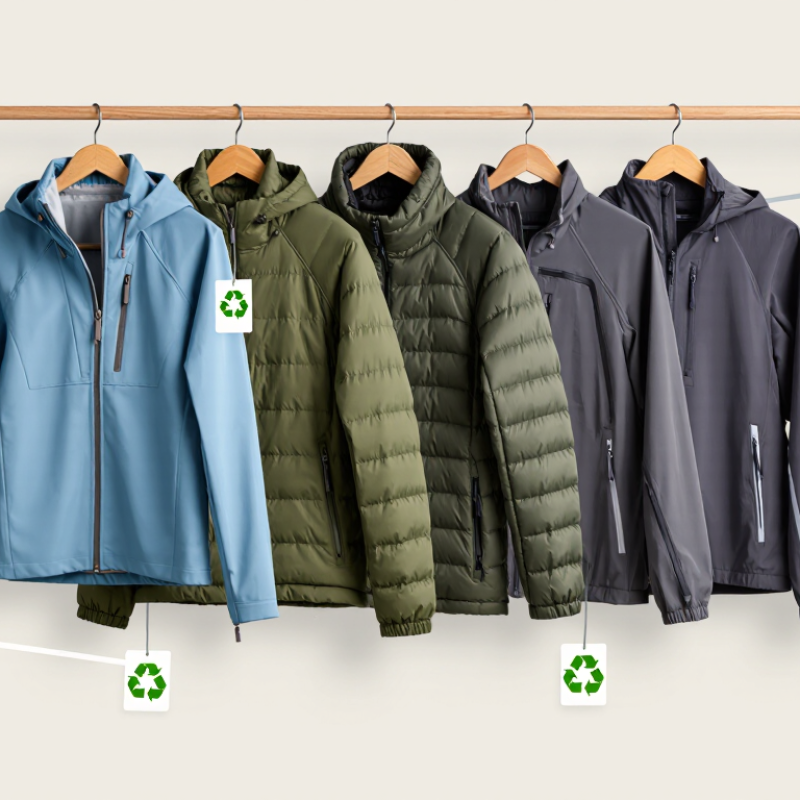
Fit deserves careful attention. Try the jacket over the layers you normally wear. Raise your arms, zip it fully, and check whether the cuffs leave gaps. Practical features also matter, including secure pockets, adjustable hems, breathable panels, and a smooth zipper. Recycled polyester can reduce reliance on new materials, but the jacket still needs responsible production and long-term use.

Small details reveal quality.

I once underestimated sleeve length because the jacket looked perfect on a hanger. It became uncomfortable when cycling. That mistake changed how I judge outerwear. I now compare measurements, read verified customer feedback, and inspect the return policy before buying. No single Polyester Jacket suits everyone. Climate, activity level, budget, and maintenance habits should guide the decision. A reliable choice balances comfort, protection, durability, and honest performance claims. Fancy features help only when they solve a real problem.
How to Choose the Right Polyester Jacket?

Define Your Polyester Jacket Needs and Intended Use

How to Choose the Right Polyester Jacket?

Before choosing a polyester jacket, define where and why you will wear it. A jacket for daily commuting needs differ from one for hiking or travel. Consider your local weather, walking distance, storage needs, and usual activity level. Polyester can dry quickly and resist regular wear, but its performance depends on the fabric structure and finish.

For rainy commutes, look for a tightly woven outer layer with sealed or protected seams. A water-resistant coating may handle light rain, but it is not always waterproof. For exercise, choose breathable panels and enough room for arm movement. For cold conditions, check the insulation type, thickness, and lining. A lightweight jacket may feel comfortable indoors but fail during a windy evening.

I once chose a thick jacket because it felt warm in a store. That decision was not fully practical. It became uncomfortable on crowded trains and took too much space in my bag. Now, I test the fit with a sweater underneath and raise my arms before buying. Check the zipper, cuffs, pockets, and care label closely. Small details matter. Also consider how often you can wash it and whether the fabric traps odors after active use. My judgment is still imperfect, especially when appearance influences me too much. A useful jacket should match real habits, not an imagined lifestyle.

How to Choose the Right Polyester Jacket?

Define Your Polyester Jacket Needs and Intended Use

Polyester jackets vary in fabric weight, insulation, and weather protection. Use the chart below as a practical guide when matching jacket construction to your intended activity.

How to read the chart: Lightweight polyester jackets are suitable for mild weather and layering. Midweight fabrics offer a balance of comfort and durability for hiking or daily wear. Heavier constructions are better suited to colder conditions, while insulated winter jackets combine a durable outer shell with substantial filling.

Compare Polyester Fabrics, Weaves, and Performance Features

How to Choose the Right Polyester Jacket?

Polyester jackets differ greatly, even when their labels look similar. Filament polyester feels smooth and resists wind well. Spun polyester feels softer but may hold more moisture and show wear sooner. Check fabric weight, often measured in denier, because a higher number usually indicates thicker yarns. However, heavier does not always mean warmer or better.

The weave changes daily performance. Plain weave fabrics are light and practical for mild weather. Twill has a tighter, diagonal structure and often feels more durable. Ripstop uses reinforced threads that help limit small tears. Knitted polyester stretches comfortably, making it useful for active movement, but it may block less wind.

I once chose a thick jacket for hiking and regretted it on steep climbs. It trapped heat quickly.

Look for features that match your routine. A tightly woven shell can improve wind resistance. A water-repellent finish helps with light rain, but it is not the same as waterproof construction. Mesh lining can improve airflow, while fleece backing adds warmth and softness. Check the seams, cuffs, zipper, and hood adjustment. These details often matter more than the fabric name. Breathability ratings can help, although testing methods vary between manufacturers. That part is easy to misunderstand. A jacket with many features may still feel uncomfortable if its cut restricts your shoulders or traps sweat.

Choose the Right Jacket Fit, Cut, and Layering Capacity

Choosing a polyester jacket starts with movement, not the size printed on its label. Try it over the shirt or sweater you usually wear. Raise both arms, reach forward, and sit down. If the shoulders pull, the jacket is too narrow. If the sleeves expose your wrists, it may feel cold during daily use. A useful fit leaves room for one warm layer, but should not hang loosely around your waist. Check the hem while walking. It should stay comfortable without riding upward.

The cut also changes how the jacket performs. A regular cut offers balanced space for commuting and light outdoor activity. A slim cut looks sharper, but it can restrict thicker layers. A relaxed cut suits fleece or knitwear, though excess fabric may catch wind. Look for shaped sleeves and a smooth armhole. These details reduce pressure when you carry a bag. Polyester often dries quickly, but a close fit can trap sweat.

I once chose a jacket that looked neat indoors and felt clammy after a brisk walk.

Layering capacity deserves a practical test. Wear your heaviest usual mid-layer before buying. Zip the jacket fully, then bend your elbows. The zipper should lie flat without straining. Leave a little space across the chest. Too much space, however, can weaken warmth retention. A drawcord at the hem helps adjust airflow, while a high collar protects the neck. Some choices still require compromise. A shorter cut feels agile, but gives less coverage when cycling or sitting outside.

Evaluate Weather Protection, Insulation, and Breathability

How to Choose the Right Polyester Jacket?

Weather protection should match your usual conditions, not an imagined adventure. Check the fabric’s water resistance, seam construction, hood coverage, and zipper protection. A tightly woven polyester shell can block wind effectively on a cold commute. However, water-resistant fabric is not always waterproof. I once trusted a jacket during steady rain and found damp shoulders after twenty minutes. That mistake stayed with me. For frequent wet weather, look for sealed seams and a tested waterproof rating.

Insulation determines warmth, but more filling does not always mean better comfort. Lightweight synthetic insulation works well for changing temperatures and remains useful when slightly damp. Thicker insulation suits slow walks and cold waiting areas. Active movement requires less bulk. Try the jacket over your usual sweater before buying it. Tight sleeves can compress insulation and create cold spots. Test the cuffs too. Loose openings can let wind enter quickly.

Breathability matters when your body produces heat. A jacket may feel warm at a bus stop but uncomfortable during a brisk climb. Look for underarm vents, moisture-managing lining, and adjustable openings. Polyester dries relatively quickly, yet it can still trap sweat without proper ventilation. I prefer testing a jacket indoors with several layers, then walking outside for ten minutes. My judgment is not perfect, and weather changes faster than product descriptions suggest. Practical comfort deserves more attention than impressive specifications.

Check Quality, Care Requirements, and Overall Value

How to Choose the Right Polyester Jacket?

A good polyester jacket should feel balanced, not merely thick or shiny. Check the fabric closely under clear light. Tight, even stitching usually signals better construction, while loose threads may reveal rushed production. Examine the zipper, cuffs, pockets, and inner seams. These areas experience daily stress. A smooth lining also helps the jacket slide over sweaters without pulling.

Fabric weight matters, but heavier is not always better. A lightweight jacket may suit travel, while a denser weave can block wind more effectively. Look for clear information about water resistance, insulation, and fabric composition. These details make comparisons more reliable. I have previously chosen a jacket by appearance alone, and that was a mistake. It looked polished but felt uncomfortable after one hour.

Tips: Read the care label before buying. Polyester usually tolerates gentle machine washing, but high heat can weaken fibers or damage coatings. Air drying is safer than using a hot dryer. Avoid frequent ironing. A jacket that needs complicated care may cost more time than expected. Consider price, expected lifespan, comfort, and repairability together. A slightly cheaper jacket is not good value if the zipper fails quickly. Conversely, expensive fabric details may offer little practical benefit for everyday use. Ask whether you will actually wear it in your usual weather.

FAQS

How should a polyester jacket fit?

Choose a fit that allows movement and one warm layer. Raise your arms, reach forward, and sit down. The shoulders should not pull. The jacket should not hang loosely.

What should I wear when trying on a jacket?

Wear your usual shirt or sweater. For colder use, try your heaviest mid-layer. This reveals whether the sleeves and chest have enough room.

How do different jacket cuts affect comfort?

A regular cut suits commuting and light outdoor activity. A slim cut looks neat but may restrict thicker layers. A relaxed cut fits fleece or knitwear, though extra fabric can catch wind.

How can I test layering capacity?

Zip the jacket over your normal mid-layer. Bend your elbows and check the zipper. It should lie flat without straining. Leave a little chest space, but avoid a loose, drafty fit.

Is water-resistant polyester suitable for heavy rain?

Not always. Water resistance can handle light moisture, but steady rain may soak the shoulders. Look for sealed seams and a tested waterproof rating. My earlier assumption was wrong.

What details improve protection from wind and rain?

Check the hood coverage, seam construction, and zipper protection. A tightly woven shell can block cold wind. A high collar helps shield your neck. Small details matter.

How much insulation should a jacket have?

Choose lighter insulation for active movement and changing temperatures. Thicker insulation suits slow walks or cold waiting areas. More filling is not automatically more comfortable.

How can I judge breathability?

Look for underarm vents, moisture-managing lining, and adjustable openings. Walk indoors with several layers, then go outside for ten minutes. A warm bus stop proves very little.

Conclusion

Choosing the right Polyester Jacket starts with understanding how and where you plan to use it. Consider whether you need a lightweight layer for daily wear, a weather-resistant option for outdoor activities, or a warmer design for cold conditions. Compare fabric weights, weaves, and performance features such as durability, water resistance, wind protection, stretch, and moisture management. These details can strongly affect comfort and long-term performance.

Fit and layering capacity are equally important. Select a cut that allows comfortable movement and leaves enough room for the clothing you may wear underneath without feeling bulky. Evaluate the jacket’s insulation, breathability, ventilation, and protection against rain or wind based on your local climate. Finally, inspect stitching, zippers, lining, and overall construction, while checking washing and drying instructions. A quality Polyester Jacket should balance practical performance, easy care, comfort, and reasonable value for your intended use.


Aria

Aria

Aria is a dedicated marketing professional with a deep passion for innovative strategies and a keen understanding of our company's product offerings. With a wealth of experience in the industry, Aria excels at crafting engaging content that highlights the unique features and benefits of our......