How to Choose the Best Polar Jacket for Your Needs?

Time:2026-08-11 Author:Sophia
0%

Choosing the right Polar Jacket can be a daunting task. With so many options, how do you filter through the noise? A Polar Jacket is an essential item for anyone who loves outdoor activities in colder weather. The right jacket offers warmth, comfort, and protection against harsh elements.

When looking for a suitable option, consider the jacket's insulation type and material. Down insulation is lighter and more compressible, while synthetic options excel in wet conditions. Pay attention to the fit, as it affects layering and overall comfort during wear. Waterproof features are also crucial for unpredictable weather.

Do not overlook the brand's reputation and customer reviews. They give insights into durability and performance. Remember, the most expensive jacket isn't always the best for your needs. Each person’s requirements vary. Reflect on how you plan to use your Polar Jacket, and choose wisely to ensure satisfaction in your outdoor adventures.
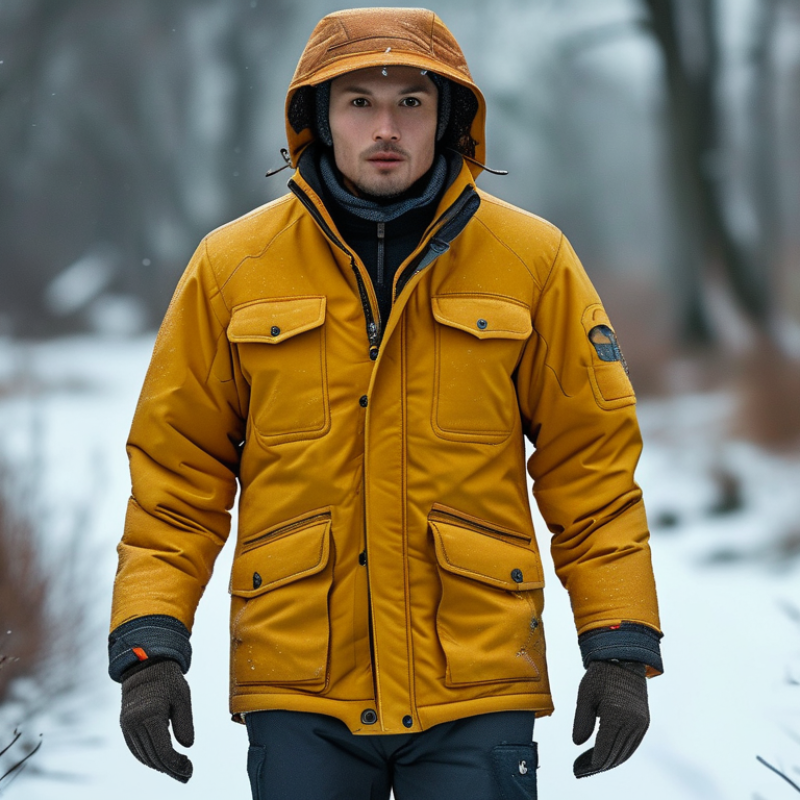
How to Choose the Best Polar Jacket for Your Needs?

Understanding the Climate and Conditions for Polar Jacket Use

When selecting a polar jacket, understanding the climate is crucial. Research shows that temperatures in polar regions can drop below -50°F (-45°C). A jacket must be designed to withstand such extreme conditions. Insulation materials play a vital role. High-loft synthetic insulation can retain warmth even when wet.

Wind resistance is another critical factor. Winds can reach speeds of over 50 mph. This increases the wind chill factor, making it feel much colder. A well-constructed polar jacket should feature windproof outer layers to combat this effect. Breathability is equally important. Wearers need to avoid overheating during physical activity. A combination of ventilation zippers and moisture-wicking fabrics can help manage body temperature.

Additionally, the jacket should offer adequate coverage. A longer cut can protect more skin surface. Many experts recommend features like adjustable hoods and cuffs for a better fit. While durability may be overlooked, it is essential. In harsh environments, a jacket must withstand wear and tear. Insufficient stitching or low-quality materials can lead to failure. Always consider the environment you will be in and choose accordingly.

Polar Jacket Insulation Efficiency Based on Temperature

Identifying Your Activity Type and Its Specific Jacket Requirements

Choosing the right polar jacket depends heavily on your activity type. Each activity has unique requirements. For example, a jacket for skiing needs to be insulated yet breathable. If you're snowshoeing, mobility and flexibility are key. Understand what you’ll be doing most often to narrow down your options.

When out in harsh conditions, consider the weather. A waterproof and wind-resistant jacket may be vital for outdoor sports. On the other hand, if your activities are more relaxed, like winter hiking, you might prioritize warmth over weatherproof features. Evaluate your personal comfort levels as well. Don’t overlook this aspect; everyone has different tolerances for cold.

**Tips:** Test the jacket’s fit. Ensure it allows for layering underneath. Always try it on with additional clothing you plan to wear. Check the pocket placements too; they should be accessible with gloves on. Lastly, think about care. How often will you need to wash it? A simple maintenance routine can extend the life of your jacket greatly.

Evaluating Insulation Types and Their Performance Characteristics

When selecting a polar jacket, understanding the insulation types is crucial. Insulation plays a vital role in overall performance. There are various insulation materials available. Synthetic insulation, like polyester, offers water resistance. However, it can lose effectiveness when wet. In colder climates, down insulation excels in warmth. It provides excellent warmth-to-weight ratios. Yet, it is less effective when exposed to moisture.

In a detailed report by the Outdoor Industry Association, 75% of outdoor enthusiasts prioritize insulation when purchasing jackets. This highlights the importance of material choice. Each type of insulation has its strengths and weaknesses. While down insulation is lightweight and compressible, it may require special care. Synthetic options are often easier to maintain. They typically dry faster and retain heat better when wet.

Understanding these characteristics is vital for your needs. Consider your activities and environments. If you're facing wet conditions, synthetic might be better. In dry, cold weather, down may be preferred. An informed choice will enhance your experience in outdoor activities.

Considering Fit, Layering, and Mobility in Jacket Design

Choosing a polar jacket involves thoughtful consideration of fit, layering, and mobility. Each of these factors greatly influences how well the jacket serves your needs. A proper fit ensures comfort, allowing for easy movement. Your jacket should not be too tight or too loose. When trying on jackets, verify the range of motion in the shoulders and arms.

Layering is vital. It’s not just about the jacket itself. Underlayers should complement the jacket’s fit and insulation. If you anticipate weather changes, aim for a jacket that allows layering underneath without restricting movement. Think about the thickness of your mid-layer and base layer.

Here are some tips:

  • Check the seams for durability. Weak seams can lead to wear and tear.
  • Opt for jackets with adjustable features. These can help achieve a better fit.
  • Remember, mobility is crucial. Test how the jacket feels when reaching or bending.
  • Reflect on past experiences. What worked? What didn’t? Learning from those moments aids in making a better selection this time.

Exploring Additional Features for Enhanced Functionality and Comfort

When choosing a polar jacket, consider additional features that enhance functionality and comfort. Look for jackets with adjustable hoods and cuffs. These features allow for a customizable fit, ensuring warmth and protection against harsh weather. A jacket with a high collar can add extra warmth around your neck area, which is important during cold outings.

Breathability is another crucial aspect. Jackets made with moisture-wicking materials can keep you dry during physical activities. This is important, as trapped moisture can lead to discomfort. A jacket with zippers under the arms can provide ventilation. This way, you can regulate your temperature easily.

Tips: Always test the jacket's fit when layering. This will help in choosing the right size for comfort. Pay attention to pockets as well. Adequate storage can be essential for carrying small items while on the go. Lastly, reflect on what activities you do. Not all features are necessary for everyone. Prioritize what you truly need.

FAQS

: What is the typical temperature in polar regions?

: Temperatures can drop below -50°F (-45°C) in polar areas.

Why is insulation important for polar jackets?

Insulation keeps you warm in extreme cold. It retains heat, even when conditions are wet.

How does wind affect comfort in polar regions?

High winds over 50 mph increase wind chill. This makes it feel significantly colder than the actual temperature.

What features should a polar jacket have for wind resistance?

Look for windproof outer layers to combat wind chill effectively.

Why is breathability important in a polar jacket?

Breathability prevents overheating during physical activities. It helps manage body temperature.

What type of insulation is best for wet conditions?

Synthetic insulation works better in wet conditions. It maintains effectiveness even when damp.

What should I consider when choosing the length of a jacket?

A longer cut protects more skin area from the cold. It increases overall warmth.

How does down insulation perform in cold weather?

Down insulation offers excellent warmth-to-weight ratios. However, it’s less effective when wet.

What maintenance considerations are important for insulation types?

Synthetic insulation is easier to maintain. Down requires special care and can be tricky.

Why is durability crucial for polar jackets?

Jackets must withstand wear and tear in harsh environments. Low-quality materials can lead to failure.

Conclusion

When choosing the best Polar Jacket for your needs, it's essential to first understand the climate and conditions in which you will be using it. Different environments, from icy winds to wet conditions, demand specific features in a jacket. Additionally, identifying the type of activity you plan to engage in—be it skiing, hiking, or mountaineering—will help you determine the performance characteristics and insulation types that are most suitable for your requirements.

Equally important are considerations of fit, layering capability, and mobility, as these factors significantly affect comfort during wear. A well-fitted Polar Jacket allows for freedom of movement while accommodating base layers underneath. Moreover, exploring additional features such as pockets, ventilation, and adjustable hoods can enhance both functionality and comfort, ensuring you have the ideal jacket tailored for your polar adventures.


Sophia

Sophia

Sophia is a dedicated marketing professional with an exceptional depth of knowledge about her company's products and services. With a keen understanding of market trends and customer needs, she crafts insightful blog posts that not only inform but also engage readers, enriching the company’s online......