Top China Vintage Jacket Manufacturers for Global Buyers

Time:2026-09-15 Author:Charlotte
0%

The Vintage Jacket market is gaining attention as buyers seek character, durability, and lower-impact fashion options. ThredUp’s 2024 Resale Report projects the global secondhand apparel market will reach $350 billion by 2028. That growth supports stronger demand for vintage-inspired and authenticated vintage outerwear.

China remains a major apparel manufacturing base, offering extensive fabric, hardware, washing, and finishing capabilities. However, product quality varies between factories. Global buyers should examine stitching density, zipper performance, fabric weight, color consistency, and sample accuracy. A reliable manufacturer should provide clear production records, material details, factory audits, and inspection procedures. Certifications such as ISO 9001 can support process control, but they do not replace independent product inspections.

Textile Exchange’s Materials Market Report 2024 estimates global fiber production reached 124 million tonnes in 2023. It may rise toward 160 million tonnes by 2030. These figures make material selection increasingly important. Recycled cotton, recycled polyester, traceable denim, and low-impact washing deserve careful review. Small details matter. A heavy brass zipper, uneven cuff, or poorly matched lining can weaken an otherwise attractive jacket.

This guide reviews leading China Vintage Jacket manufacturers for global buyers. It focuses on manufacturing experience, customization, minimum order quantities, export communication, and quality assurance. Some suppliers excel at oversized denim jackets, while others specialize in military styles, leather looks, or distressed finishes. No factory is perfect. Buyers should still verify samples, lead times, testing documents, and final inspections before committing to volume production. That practical step can prevent expensive surprises.
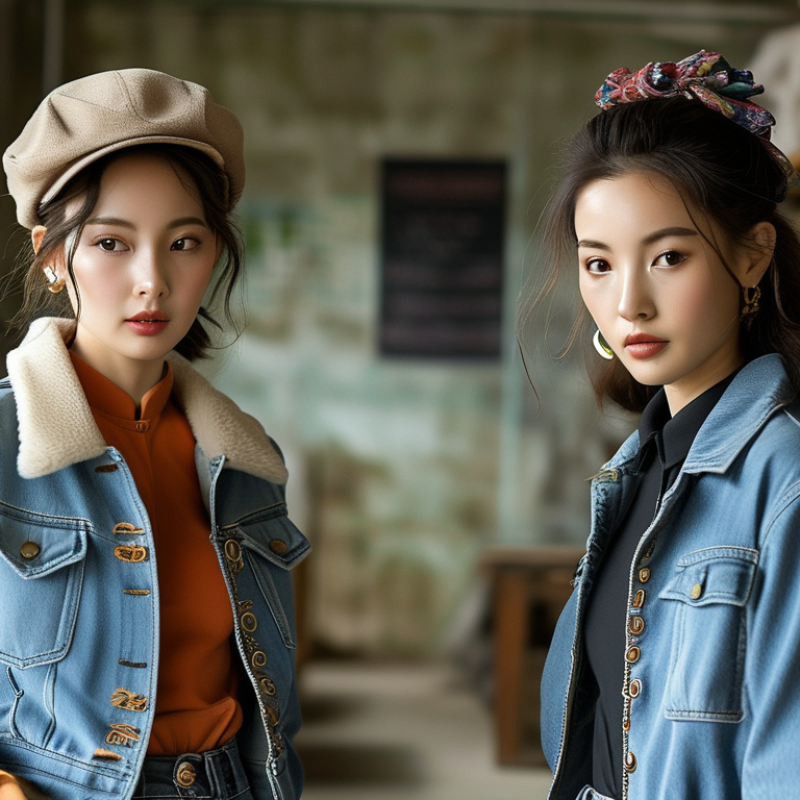
Top China Vintage Jacket Manufacturers for Global Buyers

Definition and Scope of China’s Vintage Jacket Manufacturing Industry

China’s vintage jacket manufacturing industry covers more than old-looking clothing. It mainly produces new jackets inspired by historical workwear, military silhouettes, racing styles, and street fashion. Some factories also handle genuine secondhand garments, but this is a smaller and more specialized area.

The industry includes fabric sourcing, pattern development, cutting, sewing, washing, dyeing, hardware fitting, and quality inspection. Common materials include cotton canvas, denim, corduroy, wool blends, and recycled fabrics. Buyers may request faded panels, repaired seams, uneven dye, or softened collars. These details require controlled finishing, not random damage. In practice, results can vary. A jacket may look authentic in photographs but feel too stiff in person. Factory experience matters here.

Tips: Ask for fabric swatches, size charts, and physical samples before placing a large order. Check stitching density, zipper movement, lining quality, and wash consistency. Request production photos when possible. Confirm material composition and packaging details in writing. Smaller trial orders can reveal problems early.

The manufacturing scope also includes private-label development, small-batch production, bulk export preparation, and custom labeling. Reliable suppliers should explain lead times, inspection steps, and acceptable defect levels clearly. Buyers should review these details carefully. Vintage style is subjective, so technical specifications must support the visual concept. Even experienced teams sometimes underestimate color variation after washing.

Key Types of Vintage Jackets Produced by Chinese Manufacturers

Chinese manufacturers produce several vintage jacket types for global buyers, each with distinct materials and construction details. Denim trucker jackets remain popular because their sturdy cotton develops natural fading over time. Many factories offer stone washing, enzyme washing, whisker marks, and light distressing. The results should look aged, not damaged.

Leather flight jackets use cowhide, lambskin, or carefully selected synthetic alternatives. Cowhide feels firm and protective, while lambskin offers a softer drape. Bomber jackets often feature ribbed cuffs, metal zippers, quilted linings, and water-resistant outer fabrics. Military-inspired field jackets usually include multiple pockets, cotton canvas, and adjustable waist tabs. These details affect both appearance and production cost.

Experienced Chinese factories normally provide material samples before bulk production. Buyers should inspect stitching density, zipper movement, lining attachment, and color consistency. Small workshops may handle unusual washes more flexibly, while larger facilities often provide stronger quality control. Neither option is automatically better. A sample can look excellent, yet production shades may vary slightly between fabric batches. This needs honest communication.

Vintage styling also includes corduroy trucker jackets, varsity jackets, and workwear overshirts. Recycled fabrics can support sustainability goals, but their texture may be less consistent. Manufacturers should share fiber content, testing records, and production photos when available. Buyers should request a pre-production sample and check measurements carefully. Details matter.

Top China Vintage Jacket Manufacturers for Global Buyers - Key Types of Vintage Jackets Produced by Chinese Manufacturers
Vintage Jacket Type Typical Shell Materials Recognizable Construction Details Common Vintage Treatments Typical Wearing Season Common Global Buyer Applications
Vintage Denim Jacket Cotton denim, stretch denim, recycled cotton blends Metal buttons, chest pockets, contrast stitching, adjustable waist tabs Enzyme wash, stone wash, whiskering, sanding, localized fading, repaired patches Spring, autumn, mild winter Casualwear collections, vintage-inspired streetwear, resale and private-label ranges
Vintage Leather Jacket Cowhide, lambskin, goatskin, suede Metal zippers, snap collars, welt pockets, quilted or polyester lining Hand-waxed appearance, pull-up effect, burnishing, light distressing, vintage hardware Autumn and winter Motorcycle-inspired apparel, premium casualwear, outerwear capsules
Vintage Bomber Jacket Nylon, polyester, cotton twill, satin, recycled synthetic fabrics Rib-knit collar and cuffs, front zip, utility sleeve pocket, elastic hem Garment dyeing, crinkle finish, washed surface, aged ribbing, patch embroidery Spring, autumn, mild winter Streetwear, uniform-inspired fashion, casual retail collections
Vintage Military Field Jacket Cotton canvas, cotton twill, ripstop, cotton-nylon blends Multiple flap pockets, drawcord waist, storm placket, reinforced elbows Pigment dye, garment wash, abrasion marks, faded military tones, utility labels Spring, autumn, mild winter Utility fashion, outdoor lifestyle, workwear-inspired collections
Vintage Varsity Jacket Wool blends, polyester melton, cotton twill, synthetic leather sleeves Snap-button front, contrast sleeves, rib-knit trims, chenille or embroidered patches Aged patches, washed wool appearance, contrast fading, retro lettering details Autumn and winter Campus fashion, teamwear, streetwear and customized merchandise
Vintage Shearling Jacket Sheepskin, shearling-effect polyester, suede or faux-suede fabrics Pile-lined body, shearling collar and cuffs, toggle or buckle closures Suede brushing, worn-edge effect, tonal contrast, aged buckle hardware Cold autumn and winter Cold-weather fashion, heritage outerwear, premium seasonal collections
Vintage Workwear Jacket Cotton canvas, duck cloth, twill, denim Patch pockets, durable topstitching, corduroy collar, metal snaps or buttons Garment dye, enzyme wash, oil-look finish, abrasion, repaired detailing Spring, autumn, mild winter Heritage workwear, lifestyle apparel, durable casualwear programs
Vintage Quilted Jacket Nylon, polyester, cotton shell fabrics, recycled insulation fabrics Diamond or horizontal quilting, snap front, corduroy trim, patch pockets Washed nylon, matte finish, faded lining, antique-effect snaps Autumn and winter Lightweight outerwear, transitional collections, outdoor lifestyle apparel
Vintage Puffer Jacket Polyester, nylon, recycled polyester, down or synthetic insulation Baffle channels, high collar, zip pockets, elastic cuffs, adjustable hem Retro color blocking, matte coating, crinkled fabric, contrast lining Winter and cold-weather conditions Outdoor fashion, winter streetwear, travel and commuter collections

How to Evaluate China Vintage Jacket Manufacturers

Choosing a China vintage jacket manufacturer requires more than viewing attractive catalog photos. Experienced buyers inspect factory records, sample rooms, sewing lines, and finishing areas. Ask how long the workshop has produced vintage-inspired outerwear. Request recent production photos and measurable capacity. A dependable supplier explains fabric sources, wash methods, shrinkage, and quality controls without vague promises. Clear answers often matter more than polished presentations. Still, one visit or video call can mislead. Conditions may change between sampling and bulk production.

Evaluate a paid sample before discussing large quantities. Check seam density, zipper movement, pocket alignment, lining comfort, and sleeve measurements. Rub the fabric lightly to identify loose fibers or unstable dye. Compare the sample with the approved specification sheet. For washed or distressed finishes, request a tolerance range and a replacement policy for serious defects. Confirm minimum order quantities, lead times, packaging, and inspection procedures in writing. Ask whether the factory can provide test reports for fabric composition and colorfastness. These records support responsible purchasing and reduce avoidable disputes.

Tips: Use a small trial order. Measure ten jackets, not one. Speak with the production manager, not only a salesperson. Photograph every approved detail. Leave room for honest variation; handmade-looking finishes are rarely identical. My own evaluation can be too strict sometimes, especially with intentional wear effects. That is worth reviewing before rejecting a workable sample. A manufacturer becomes more trustworthy when it admits limits and documents corrective action.

Production, Customization, and Quality Control Processes

Top China Vintage Jacket Manufacturers for Global Buyers

Production, Customization, and Quality Control Processes

Reliable vintage jacket production starts with a documented specification sheet. It should show fabric weight, wash effect, measurements, stitching density, trims, and tolerance limits. Experienced manufacturers usually create a sample before bulk cutting. This exposes problems early. A faded finish may look attractive on one panel but uneven across a full batch.

Customization can include custom labels, pocket shapes, lining fabrics, embroidery, hardware, and controlled distressing. Buyers should request fabric swatches and a pre-production sample. Textile Exchange’s Materials Market Report 2024 states that global fiber production reached 124 million tonnes in 2023. It may reach 160 million tonnes by 2030. That growth makes material traceability and recycled-content verification more important.

Quality control should operate at several stages, not only before shipment. Inspectors can check incoming fabric, cutting accuracy, seam strength, color consistency, and final measurements. AQL-based inspection offers a clearer acceptance method than visual confidence alone. Fashion Revolution’s 2023 Fashion Transparency Index found that only 1% of assessed companies disclosed supplier purchasing practices. Buyers should therefore request factory records, corrective-action reports, and production photos. No factory is perfect. Claims of zero defects deserve careful questioning. A strong supplier explains failures, fixes root causes, and preserves approval samples for comparison.

Importing Vintage Jackets from China for Global Markets

Top China Vintage Jacket Manufacturers for Global Buyers

Importing Vintage Jackets from China for Global Markets

China offers experienced manufacturers for vintage jackets, including custom-washed, repaired, and vintage-inspired styles. Buyers should clarify the product category before requesting quotations. Genuine vintage garments require different sourcing methods from newly produced jackets with aged finishes.

In practical sourcing work, factory visits reveal details that photos often hide. Check stitching density, zipper movement, lining strength, and fabric weight. Request size samples and wash tests before confirming bulk production. A reliable manufacturer should provide material records, production photos, inspection reports, and clear packing details. Small defects can become expensive returns.

Ask about minimum order quantities, lead times, carton dimensions, and replacement policies. Confirm labeling, fiber content, safety requirements, and customs documents for every target market. Never rely on vague claims such as “100% sustainable” without supporting evidence. That mistake happens.

Vintage grading also needs written standards. Define acceptable fading, stains, loose threads, and color variation with reference samples. A perfect aged effect is difficult to repeat. Even experienced factories may produce slight differences between batches. Buyers should plan quality inspections before shipment and keep communication records. Clear specifications protect both sides.

FAQS

What vintage jacket styles can Chinese manufacturers produce?

Common styles include denim trucker, leather flight, bomber, field, corduroy, varsity, and workwear jackets. Aged, not damaged.

Which materials are commonly used for vintage jackets?

Denim usually uses sturdy cotton with natural fading potential. Leather may include cowhide, lambskin, or synthetic alternatives. Cotton canvas and recycled fabrics are also available.

How can buyers customize a vintage jacket?

Custom options include pocket shapes, labels, lining fabrics, embroidery, hardware, measurements, and controlled distressing. Wash effects require clear reference samples. Details matter.

What should a production specification sheet include?

It should list fabric weight, measurements, wash effects, stitching density, trims, and tolerance limits. Include acceptable fading and color variation. Vague instructions create avoidable disputes.

How should buyers check jacket quality before bulk production?

Request fabric swatches, size samples, wash tests, and a pre-production sample. Check zipper movement, seam strength, lining attachment, and measurements. Photos alone can mislead.

Are small workshops better than large factories?

Small workshops may handle unusual washes more flexibly. Larger facilities often provide stronger quality control and records. Neither is automatically better.

Can every batch match the approved sample perfectly?

Not always. Fabric batches may create slight differences in shade, fading, or texture. Keep the approval sample for comparison. Perfect repetition is difficult.

What documents should buyers request from a manufacturer?

Request fiber-content details, testing records, production photos, inspection reports, packing information, and corrective-action records. Also confirm labeling and customs documents for the target market. Trust needs evidence.

What should buyers confirm before importing vintage jackets?

Confirm the product category, minimum order quantity, lead time, carton dimensions, and replacement policy. Separate genuine vintage garments from newly produced aged designs. That distinction matters.

How can sustainability claims be evaluated?

Ask for recycled-content verification, material traceability, and supporting test records. Recycled fabrics may have less consistent texture. “Fully sustainable” is not enough.

Conclusion

China’s vintage jacket manufacturing industry has developed into a flexible and competitive supply sector serving buyers in markets worldwide. Manufacturers produce a wide range of styles, including denim, leather-look, military-inspired, workwear, bomber, varsity, and distressed jackets. For global buyers, evaluating suppliers requires careful attention to production capacity, material quality, craftsmanship, communication, certifications, and experience with international orders. A reliable manufacturer should also provide clear samples, transparent pricing, realistic lead times, and consistent quality standards.

The production process may include fabric selection, pattern development, cutting, sewing, washing, dyeing, distressing, finishing, and detailed inspection. Many Chinese manufacturers offer customization options such as colors, labels, sizing, fabrics, packaging, and design adjustments while maintaining quality control throughout production. When importing a Vintage Jacket collection from China, buyers should confirm product specifications, packaging requirements, shipping arrangements, documentation, and applicable regulations in the destination market. Careful supplier assessment and clear communication can help global buyers achieve dependable quality, efficient delivery, and long-term cooperation.


Charlotte

Charlotte

Charlotte is a seasoned marketing professional with a deep understanding of the company's portfolio and a passion for elevating its presence in the market. With a keen eye for detail and a commitment to excellence, she ensures that our professional blog is regularly updated with insightful articles......