A Polar Jacket Mens is usually a warm, practical layer designed for cold, windy conditions. In many markets, “polar” describes dense fleece rather than a technical polar expedition coat. The fabric often feels soft against the wrist, traps air between its fibers, and dries faster than heavy cotton. Some models add a wind-resistant shell, stretch panels, or synthetic insulation for harsher weather.
Demand reflects a wider interest in outdoor clothing. The Outdoor Industry Association’s 2024 Outdoor Participation Trends Report recorded 175.8 million U.S. participants in outdoor recreation during 2023. That figure helps explain why versatile jackets now appear on trails, commuter trains, and weekend trips. Textile Exchange’s Materials Market Report 2024 also tracks polyester and recycled polyester as major textile materials. However, recycled content alone does not prove better performance. A jacket still needs strong stitching, reliable zippers, and a useful warmth-to-weight balance.
Look closely at the details. A high collar should cover the neck without pressing the chin. Cuffs should reduce drafts around the wrists. Pockets need enough depth for gloves, keys, or a phone. The best choice depends on activity, climate, and layering habits. A thin fleece may suit indoor commuting, while a lined shell works better in wet mountain weather. The label can mislead. I would not judge warmth from fabric thickness alone. Wind protection, fit, moisture control, and careful maintenance matter just as much. This guide explains what a Polar Jacket Mens is, how it performs, and where marketing claims deserve a second look.
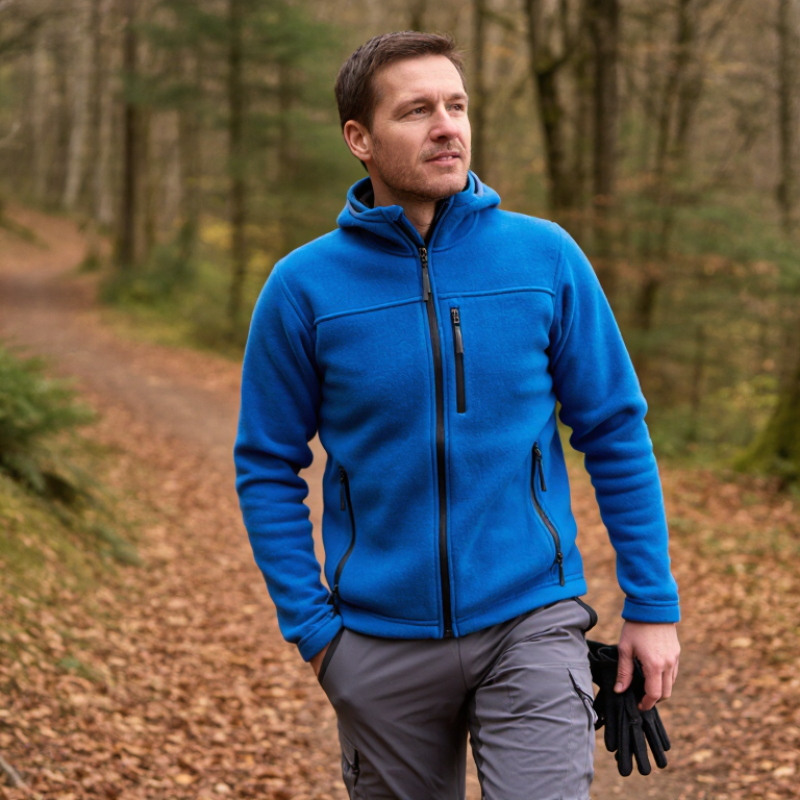
A men’s polar jacket is a cold-weather layer designed to protect the body in freezing, windy conditions.
It usually combines an insulated lining, a wind-resistant outer fabric, and a high collar. Some versions use synthetic insulation, while others rely on down or dense fleece. The right choice depends on temperature, activity, and personal comfort. A jacket for winter commuting may need more weather protection than one used for a short mountain walk.
Core features include adjustable cuffs, a secure front closure, and practical pockets. A well-designed hood should cover the ears without blocking vision. The outer fabric should resist light snow and moisture, although water-resistant does not mean waterproof.
Breathability also matters. During a brisk walk, trapped sweat can make the jacket feel cold later. I have found that flexible panels improve movement, but extra seams may create weak points. That trade-off deserves attention.
Tips:
Check the insulation near the shoulders and lower back. These areas often lose warmth first. Try the jacket with a sweater underneath. Tight layers can compress insulation and reduce heat retention. Inspect the zipper with gloves on. Small details matter in real winter weather. No polar jacket is perfect. A warmer design may feel bulky, while a lighter one may need careful layering. Read care instructions and verify the fit before relying on it outdoors.
A polar jacket for men is built for cold, wind, and changing moisture levels. Its insulation usually comes from down, synthetic fibers, or a hybrid filling. Down traps warm air inside its fine clusters. It feels light and compresses well. However, damp down loses loft and dries slowly.
Synthetic insulation commonly uses polyester fibers arranged in webs or small clusters. These fibers retain more warmth when wet and dry faster than down. According to Textile Exchange’s Materials Market Report 2024, global fiber production reached about 124 million tonnes in 2023. Polyester represented roughly 57% of that volume. The same report placed recycled polyester near 14% of polyester production. That figure sounds encouraging, but recycling does not automatically solve durability or shedding concerns.
Construction matters as much as the filling. Quilted chambers reduce cold gaps, while a wind-resistant outer fabric protects trapped heat. A tight weave can feel stiff, yet loose fabrics may leak warmth quickly. Down performance should be checked through fill power and fill weight, not fill power alone. Laboratory testing under ISO 23537 helps compare thermal performance, although real comfort changes with movement, humidity, layering, and body shape. I would not trust one number completely. A jacket that feels excellent during a dry mountain walk may feel inadequate beside a wet, windy shoreline. Industry reports guide material choices, but careful field testing still exposes weaknesses.
What Is a Polar Jacket for Men?
How Polar Jackets Protect Against Cold Conditions
A polar jacket is designed to reduce heat loss in severe cold, wind, and occasional snow. Its insulation traps warm air near the body. Synthetic fibers often retain warmth when damp, while down can provide excellent warmth with less weight. The choice depends on moisture, activity, and personal tolerance.
The outer fabric blocks wind, which can quickly strip heat from exposed areas. A tightly closed collar protects the neck, while adjustable cuffs limit cold air around the wrists. A fitted hood shields the head and cheeks. These details matter. Small openings can make a warm jacket feel surprisingly ineffective.
Moisture management is equally important. During walking or climbing, the body produces sweat beneath the insulation. If that moisture stays inside, cooling may follow when movement stops. Breathable fabric, layered clothing, and regular ventilation can reduce this problem. A jacket should feel comfortable, not merely bulky.
Fit requires honest testing. Leave enough room for a base layer and mid-layer, but avoid excessive space that allows warm air to escape. Check the zipper with gloved hands. Raise your arms. Turn your head. A jacket may look protective yet restrict movement or expose the lower back. Temperature ratings also deserve caution, because wind, activity, humidity, and individual sensitivity change real-world performance. No jacket works perfectly in every condition.
Wind increases heat loss from exposed skin and makes the air feel colder. The chart shows the calculated wind-chill temperature when the actual air temperature is 0°C. A polar jacket helps reduce heat loss by trapping insulating air and blocking moving wind.
A polar jacket for men is designed to retain body heat in cold, windy conditions. Its insulation may use down, synthetic fibers, or a blended construction. The outer fabric usually resists light rain and snow. It is not automatically waterproof. That distinction matters.
Main styles serve different daily needs. A hooded parka offers longer coverage for commuting, walking, and standing outdoors. A short puffer feels lighter and suits driving, travel, and active city use. A softshell jacket provides easier movement during hiking or cycling, but it may need an extra layer in freezing weather. Some jackets include adjustable cuffs, storm flaps, and inner pockets for practical protection.
Choose insulation according to activity, not appearance alone. High-loft insulation feels warm but can become uncomfortable during fast movement. Synthetic insulation often performs better in damp conditions and dries more quickly. A jacket should leave room for a sweater without restricting the shoulders. Fit matters. Check the zipper, hood adjustment, and hem seal before buying.
I once preferred the thickest jacket available. It was warm, but tiring on long walks. My better choice later was lighter, with careful layering underneath. Temperature ratings can also mislead because wind, humidity, and personal comfort vary. In real use, pocket placement and breathability may matter more than impressive specifications. Small details decide comfort.
A polar jacket for men is a warm outer layer made for cold, windy conditions. It usually combines insulation, a protective shell, and practical features for winter movement. Choosing the right polar jacket depends on your weather, activity level, and layering habits. A thick jacket may suit slow city walks, while a lighter design works better for hiking or commuting.
For dry, freezing weather, look for dense insulation and a wind-resistant outer fabric. Synthetic insulation often dries faster after light snow or sweat. Down can provide excellent warmth, but it needs careful protection from moisture. Check the cuffs, collar, and hem. These areas should close securely without feeling restrictive. A hood is useful when wind reaches your ears and neck. Try the jacket over a sweater before buying. Tight shoulders can limit movement, while excessive space may let cold air enter.
I once chose a jacket that felt warm in a shop but failed during a long, windy walk. The sleeves were slightly short, and cold air reached my wrists. That mistake changed how I judge winter clothing. Warmth ratings are not universal. Wind, humidity, movement, and personal comfort all affect performance. Check the stitching, zipper quality, pocket placement, and care instructions. Water-resistant fabric is not the same as waterproof fabric. Small details matter.
It reduces heat loss during cold, windy, and changing weather. Its insulation traps warm air near the body. No jacket works perfectly everywhere.
Down is light, compressible, and highly insulating in dry conditions. Synthetic filling usually keeps more warmth when damp. Your weather matters most.
Wet down loses loft and dries slowly. It may provide less warmth during prolonged moisture. Keep it protected from rain and heavy sweat.
A wind-resistant shell helps protect trapped warm air. Tight weaves block wind better, but they may feel stiffer. Loose fabric can leak warmth quickly.
Look for adjustable cuffs, a close collar, and a fitted hood. A secure hem protects the lower back. Small openings can matter.
Leave room for a base layer and mid-layer. Avoid excessive space, because warm air may escape. Raise your arms and turn your head before buying.
No. Wind, humidity, movement, layering, and body shape change comfort. A jacket may feel warm indoors but fail beside a windy shoreline. Test carefully.
Check fill power and fill weight for down insulation. Laboratory tests can support comparisons. One number is never enough.
Recycled fibers can reduce reliance on new materials. They do not automatically solve durability or fiber-shedding concerns. The claim needs context.
Check stitching, zipper operation, pocket placement, cuffs, and care instructions. Try the zipper with gloves. Water-resistant fabric is not waterproof fabric.
A Polar Jacket Mens is a cold-weather outer layer designed to provide dependable warmth, comfort, and protection in low-temperature conditions. Its core features commonly include a high collar, secure closures, adjustable cuffs, and practical pockets. Depending on the intended use, it may be made from materials such as polyester, nylon, fleece, or other durable fabrics, with insulation supplied by down, synthetic fibers, or layered thermal padding. These materials help trap warm air while the outer shell can reduce the effects of wind, light moisture, and snow.
Men’s polar jackets are available in several styles, including lightweight everyday jackets, insulated parkas, sporty designs, and longer coats for enhanced coverage. They can be used for commuting, travel, outdoor recreation, winter walks, or general daily wear. When choosing one, consider the local climate, insulation level, weather resistance, fit, mobility, breathability, pocket design, and ease of care. The best jacket should balance warmth, comfort, durability, and practical performance for the conditions in which it will be worn.