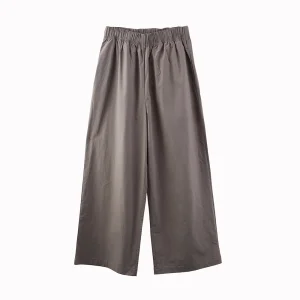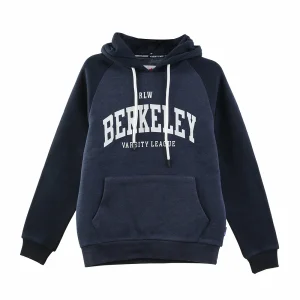
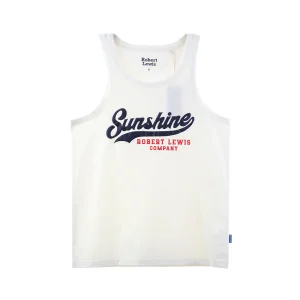
Founded in 2000, Ningbo Jinmao Import & Export Co., Ltd. has established itself as an elite global manufacturing partner for high-demand apparel brands.
Generating an annual turnover exceeding $30 Million USD, our infrastructure thrives on handling complex international volume orders with systematic delivery control.
Fully certified in ISO 9001:2015 (Quality System) and ISO 14001:2015 (Environmental Management). We actively reduce material footprinting and waste cycles.
Over 50 senior supply chain specialists supervising production across men's, women's, and children's knitwear and lightweight woven technical classifications.
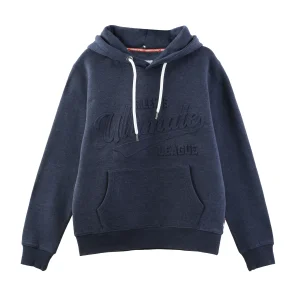
The global streetwear and high-end athleisure segments are experiencing a rapid structural shift. The saturation of flat screen prints and direct-to-garment (DTG) graphics has triggered consumer fatigue. High-intent buyers are seeking subtle luxury, minimalist brand callouts, and tactile dimension. Embossed hoodies satisfy this demand by rendering brand typography and geometric patterns directly into the fiber matrices of the fabrics.
From a manufacturing standpoint, embossing involves reforming synthetic or blended polymers under calculated temperature, high-frequency resonance, and hydraulic pressure. For premium brands, this creates an un-replicable three-dimensional aesthetic that holds shape over multiple laundering cycles, preserving brand equity and perceived value at retail endpoints.

Industrial processes required to produce permanent, non-collapsing 3D embossed designs.
CNC machinery mills precise magnesium or copper molds with a negative image of the artwork. Fabric is fed between hydraulic press plates at temperatures ranging from 170°C to 210°C. Thermosetting polymers in the fabric melt slightly, taking on the mold’s pattern before cooling and recrystallizing.
Used for materials with high polyester or polyurethane content. High-frequency electromagnetic energy excites the molecules inside the fibers, generating friction heat from within. This creates rapid deformation into the mold geometry without risking surface fiber scorching.
For deep-groove 3D features on heavyweight fleece or cotton-rich structures, an elastic polyurethane lining is injected or placed beneath the embossed pattern. The lining cures during the heat-press cycle, filling the void to prevent the emboss from flattening when stretched or washed.
Bridging the gap between conceptual apparel sketches and mass-produced retail inventory.
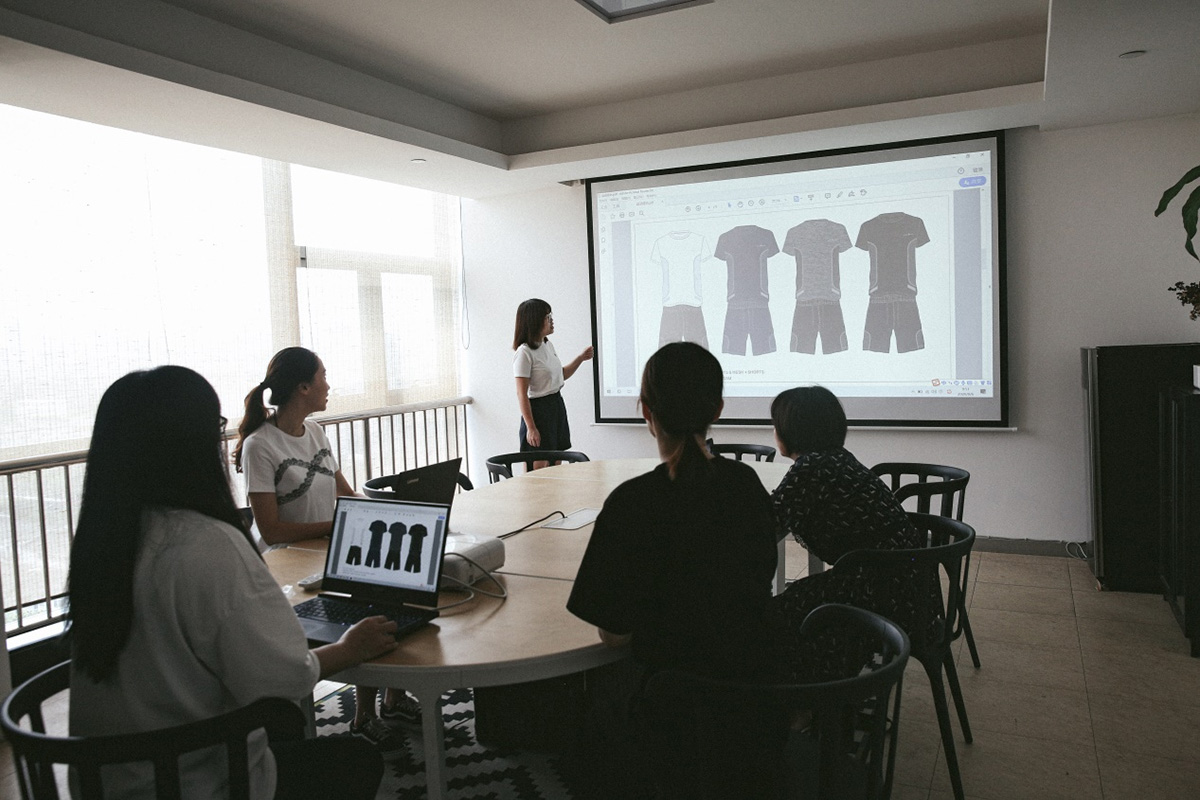
Our independent technical team provides complete custom blueprints. Just present your sketches, reference photos, or concept files. We will recommend ideal structures and confirm process metrics before cutting begins.
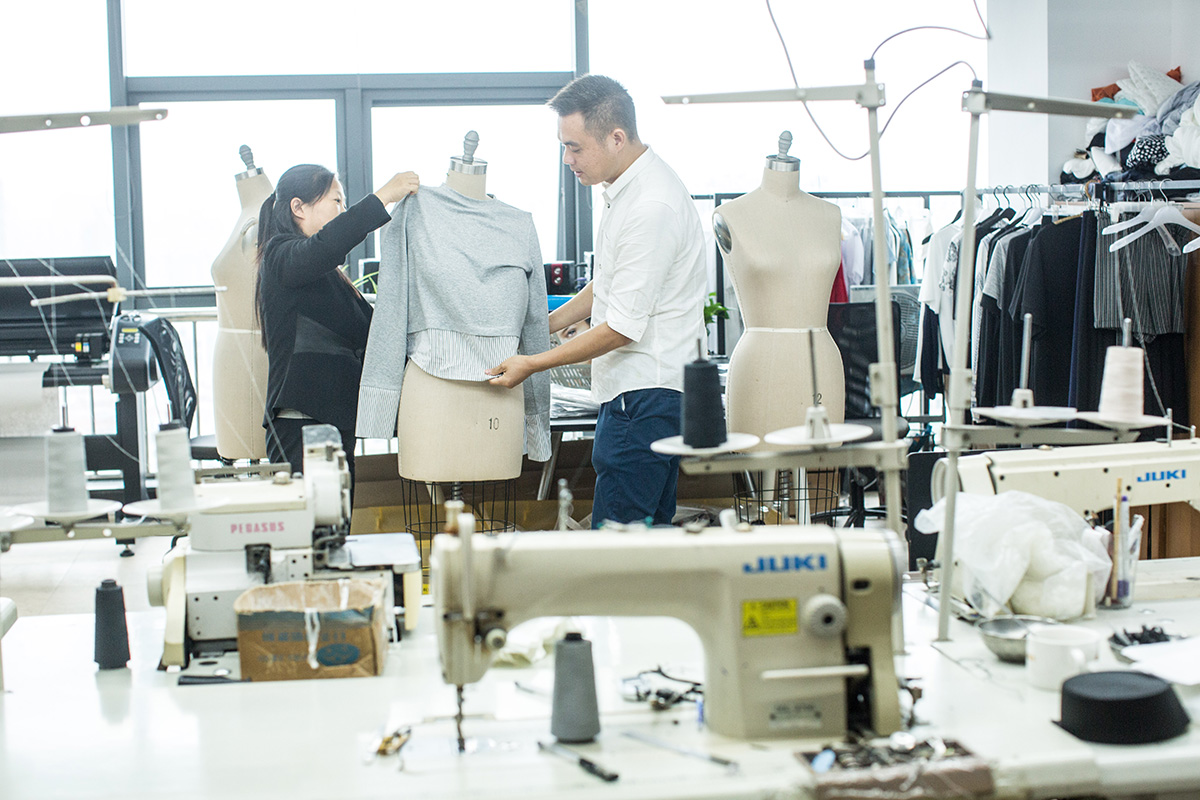
Employing pattern-makers with an average of 20 years of experience. We specialize in knitted and lightweight woven construction, enabling lightning-fast turnarounds on sales-ready prototypes and pre-production fits.
With 10+ years average tenure, our merchandisers translate technical specifications into factory execution charts instantly, matching fabric weights, certified organic inputs, and print types to target budgets.
Selecting correct fabrics is crucial to prevent embossing decay. Below are the physical profiles of our textile integrations.
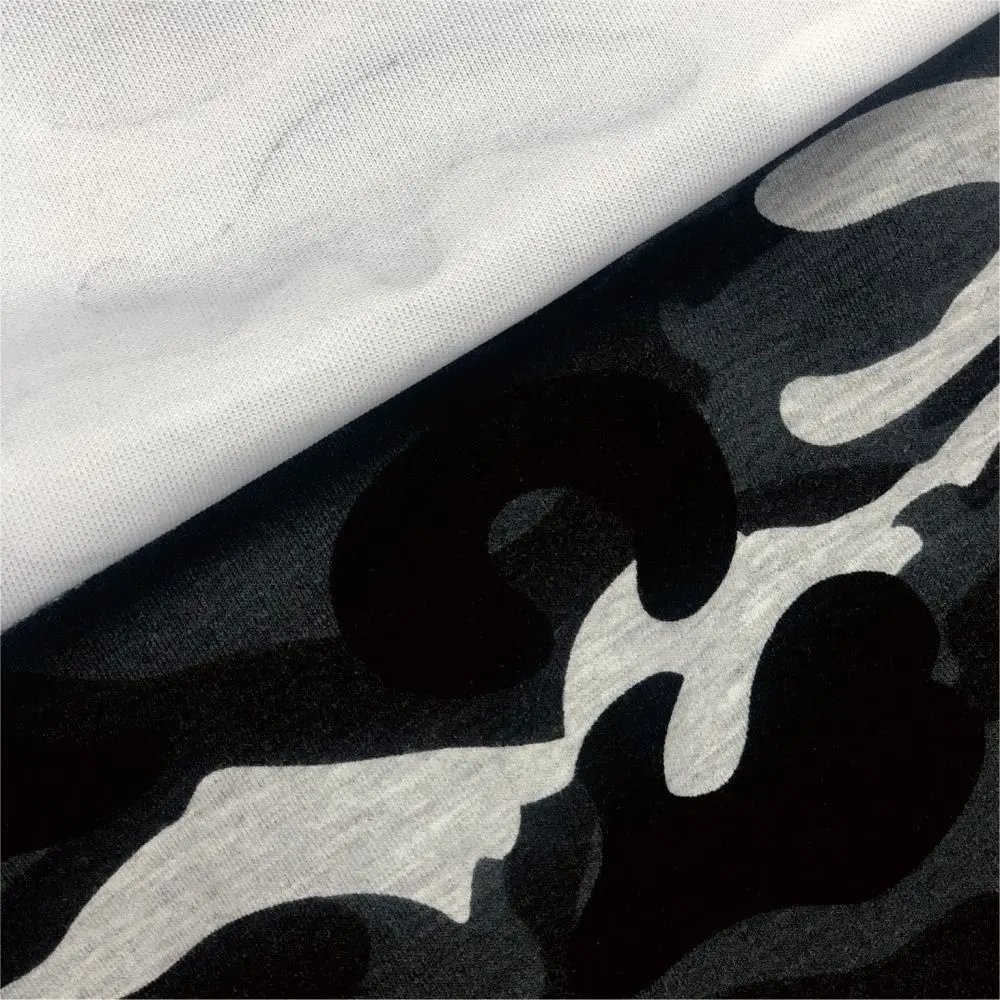
Double-knit construct containing spandex. Offers unmatched dimensional stability and emboss definition.
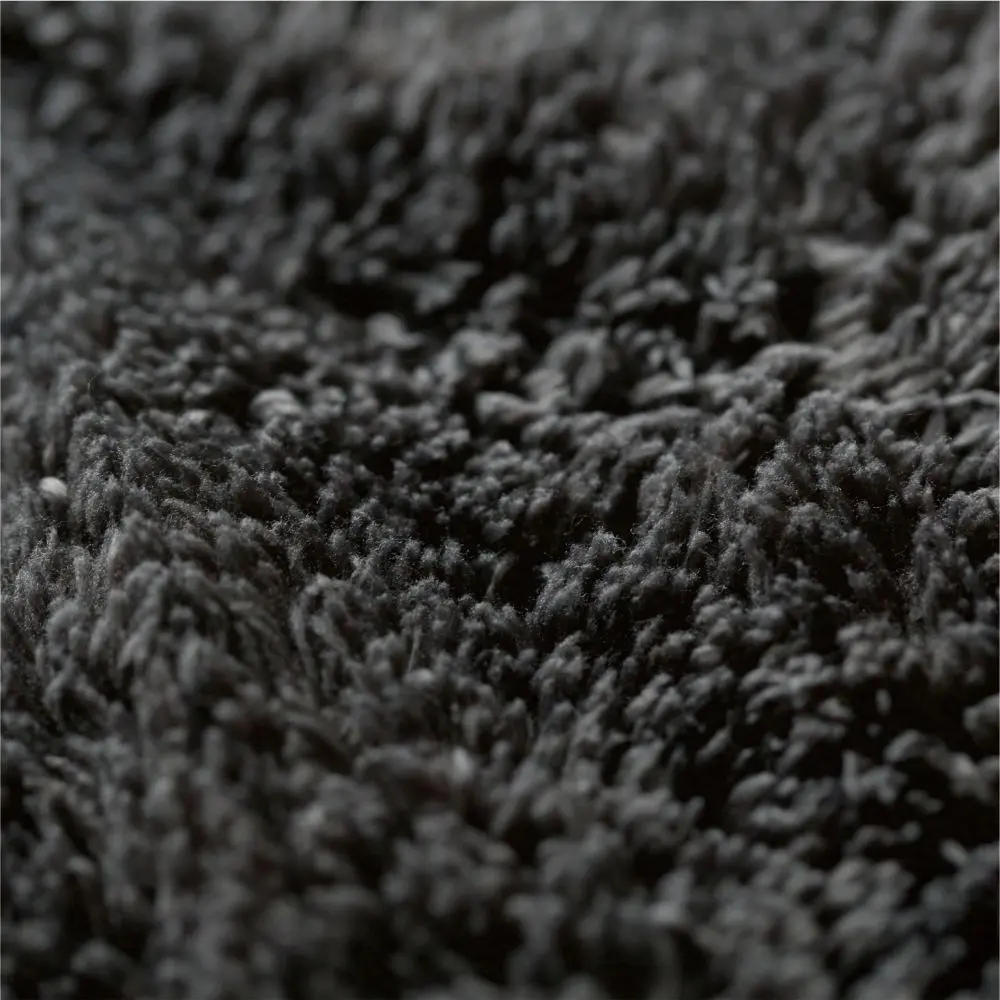
High loft and pile depth. Excellent for heat-carved textures with deep tactile shadows.
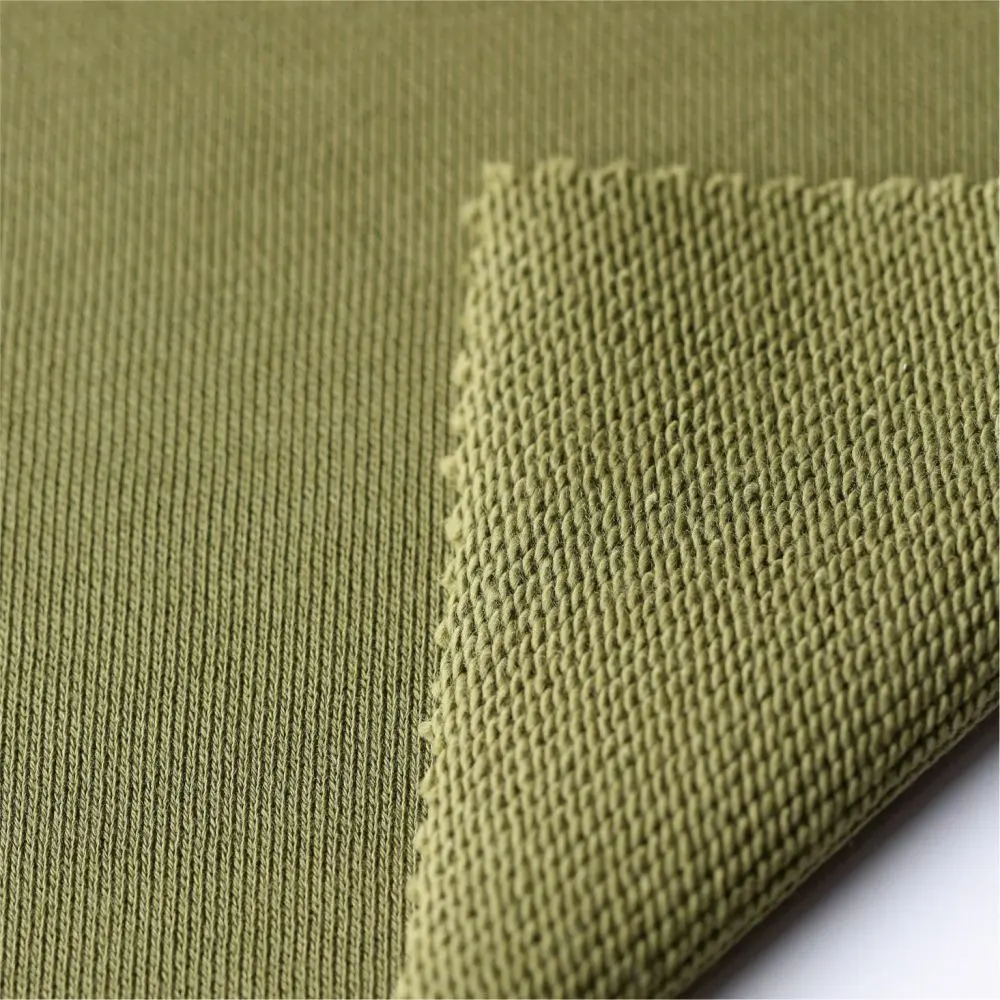
Classic luxury loopback cotton. Requires custom poly-blend faces to lock in high-definition molds.
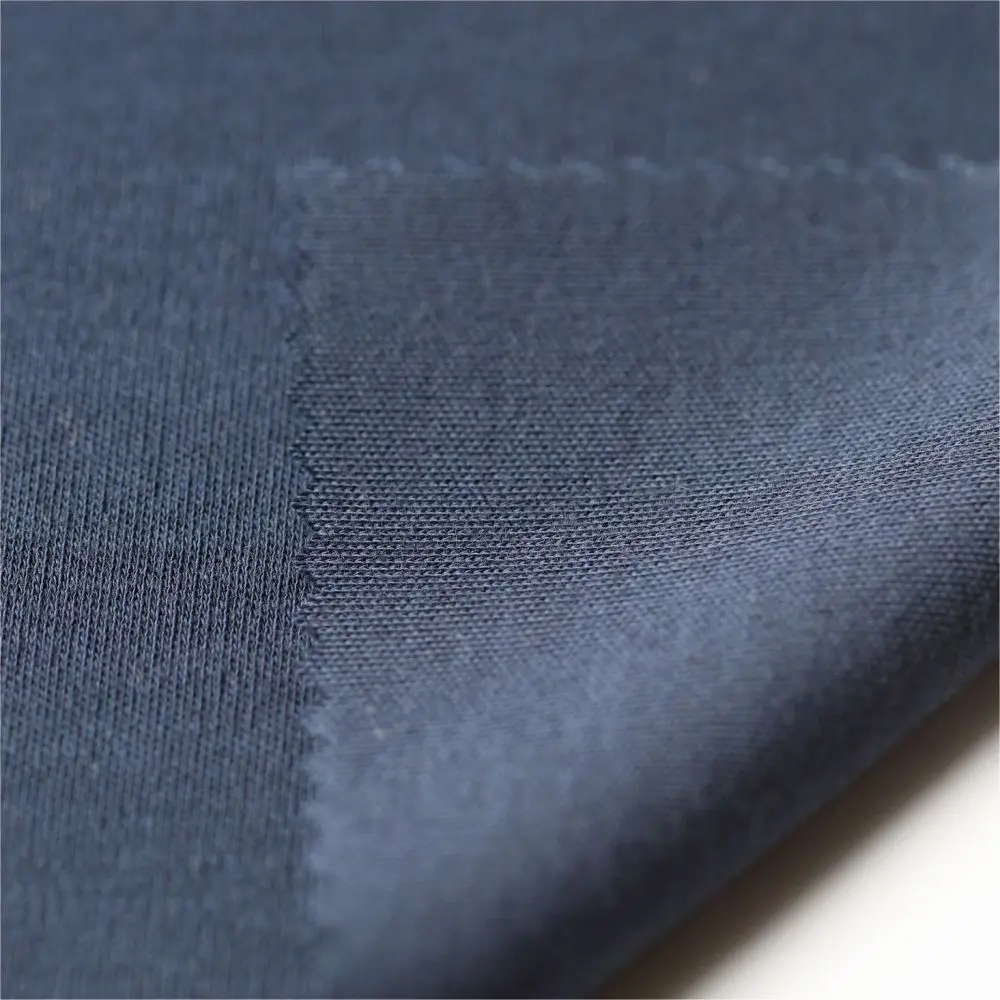
Smooth surface on both sides. Perfect for subtle, micro-embossed minimal detailing.
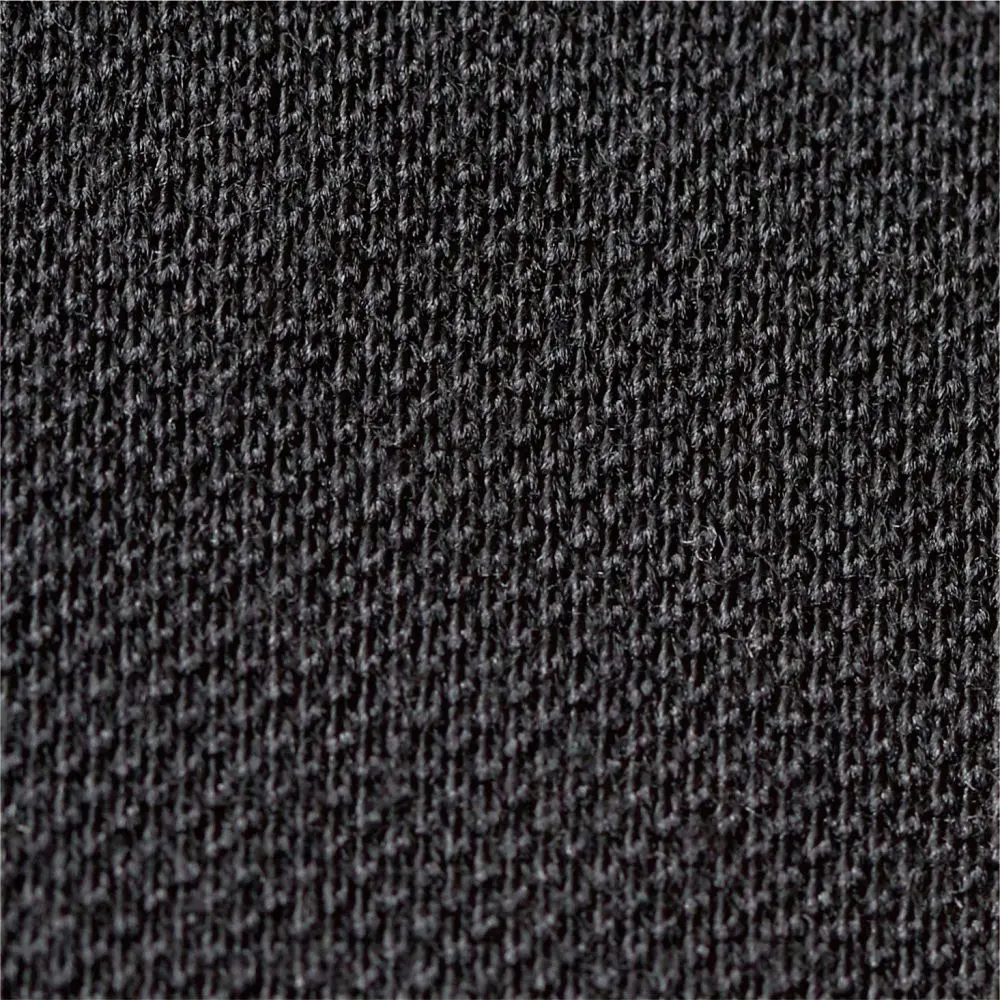
Open, textured weave. Offers mechanical elasticity suited to athleisure embossing.
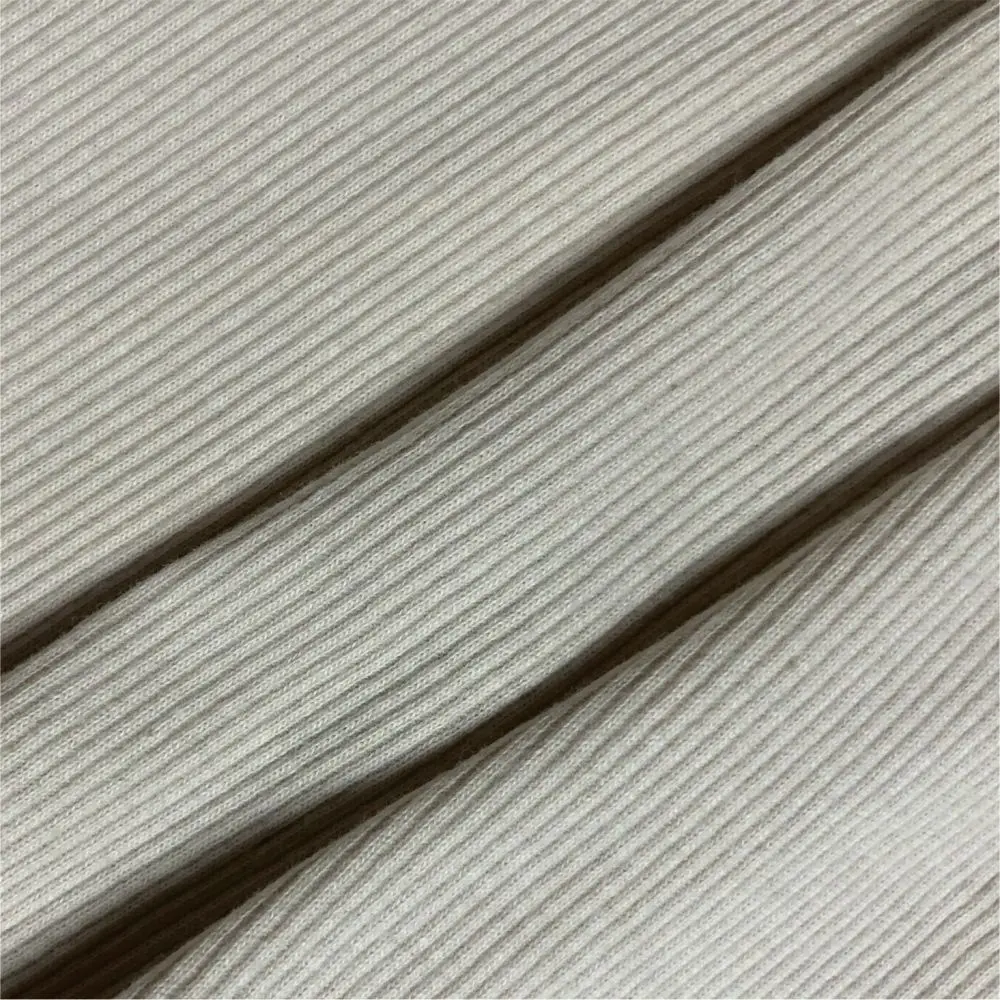
Provides high recovery, preventing emboss flattening along joint lines and collars.
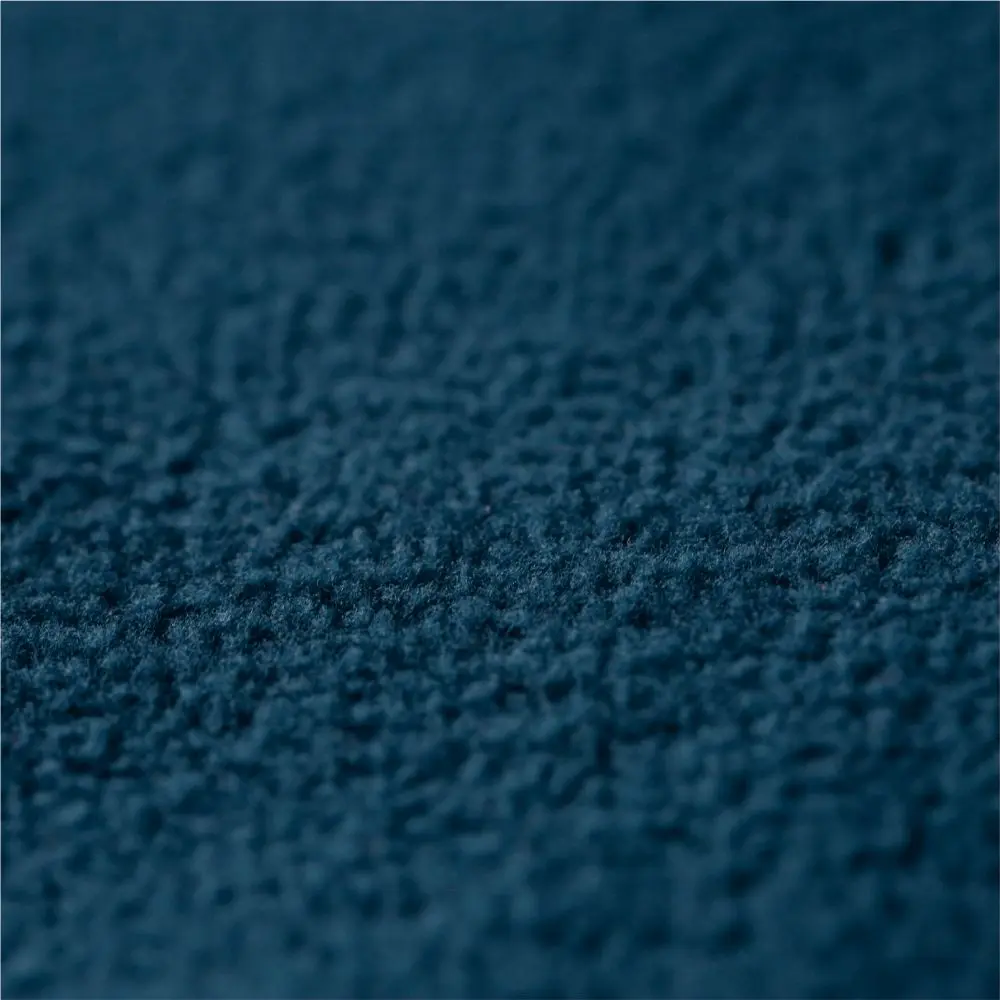
Thermal insulation paired with lightweight construct, resilient under heat setting.
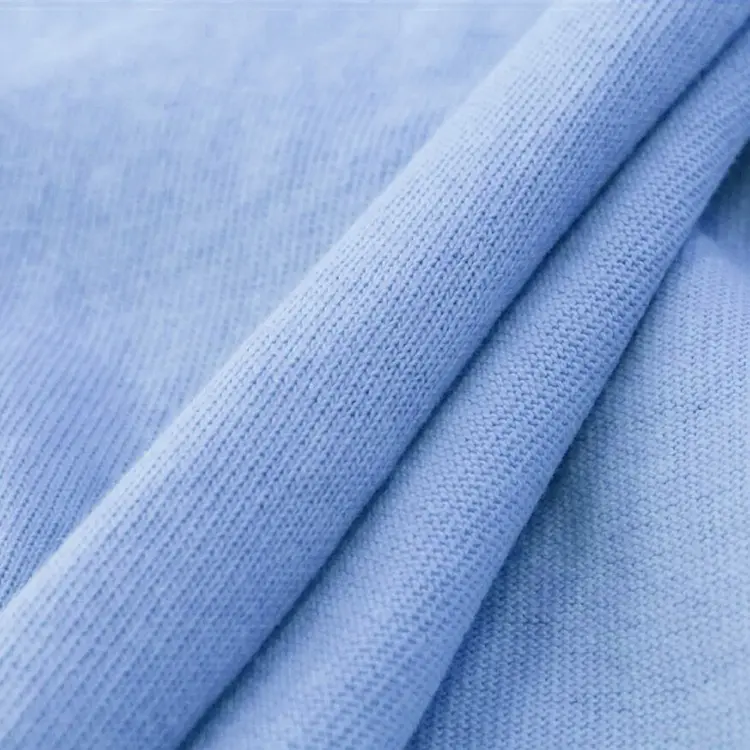
Ideal for base layer applications with heat-setting treatments.
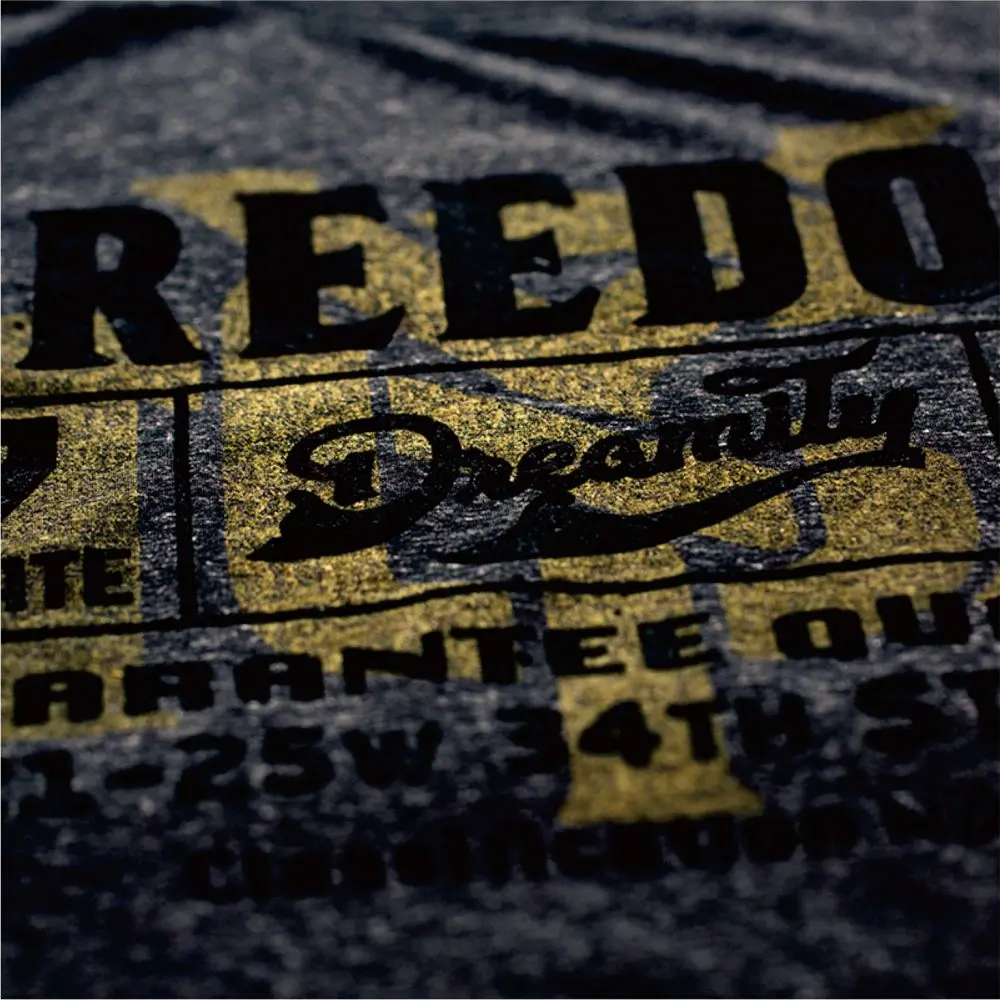
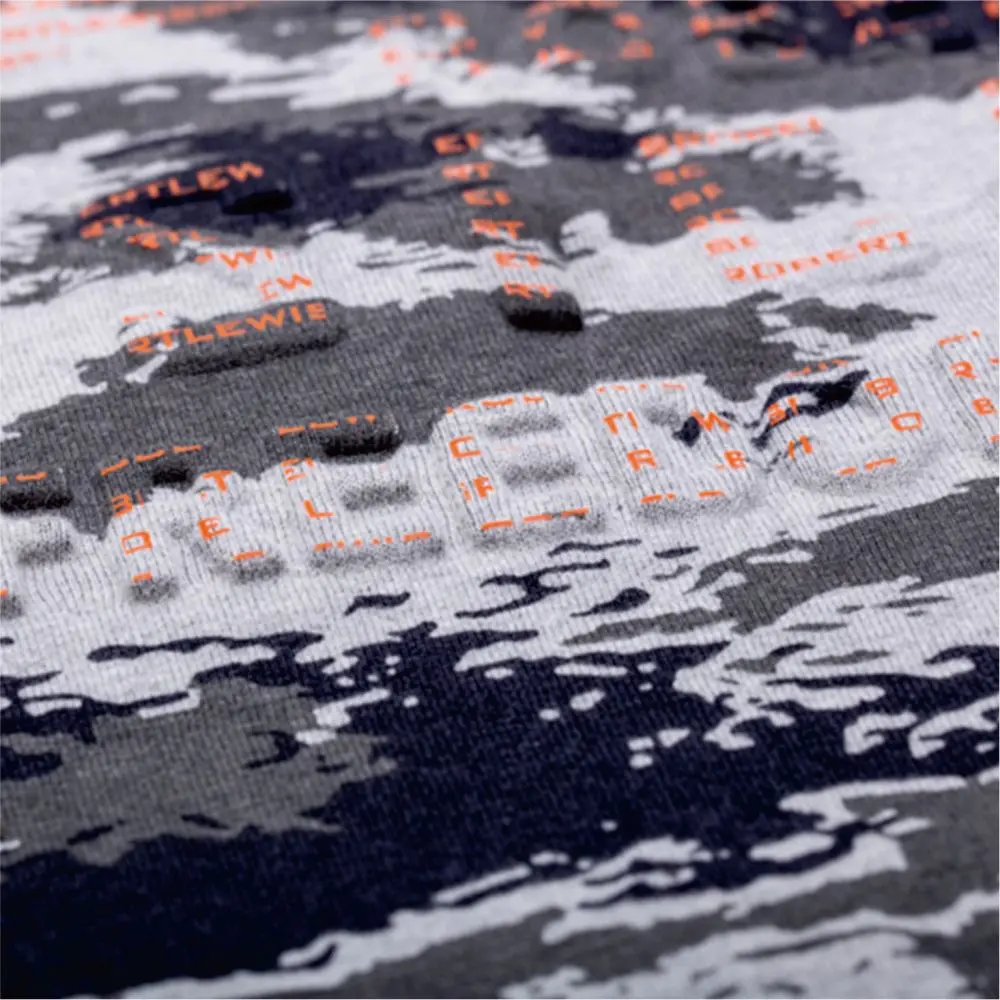
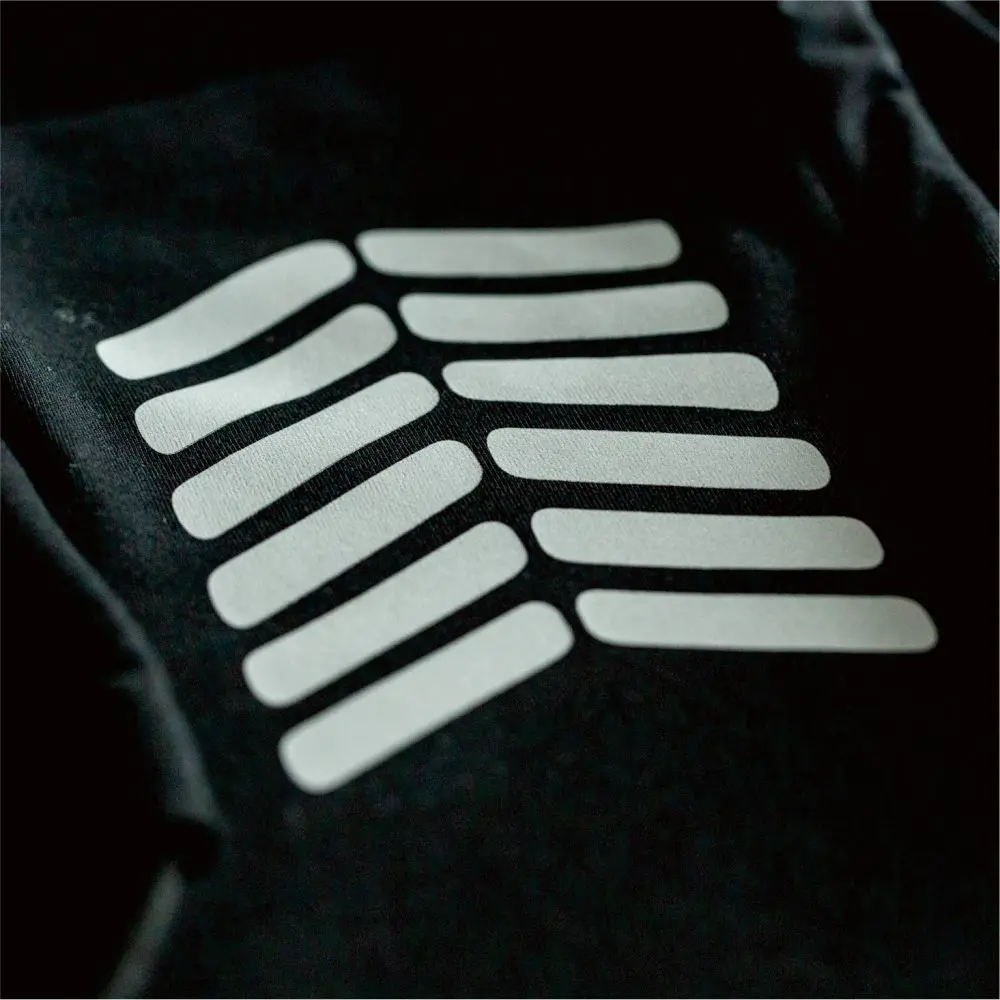
From digital concept to delivery, our supply chain guarantees conformance at every stage.
Creating a fit sample to confirm precise scaling, dimensions, and pattern drape. We translate technical specs into physical prototypes using similar fabrics to confirm aesthetic contours before using premium raw materials.
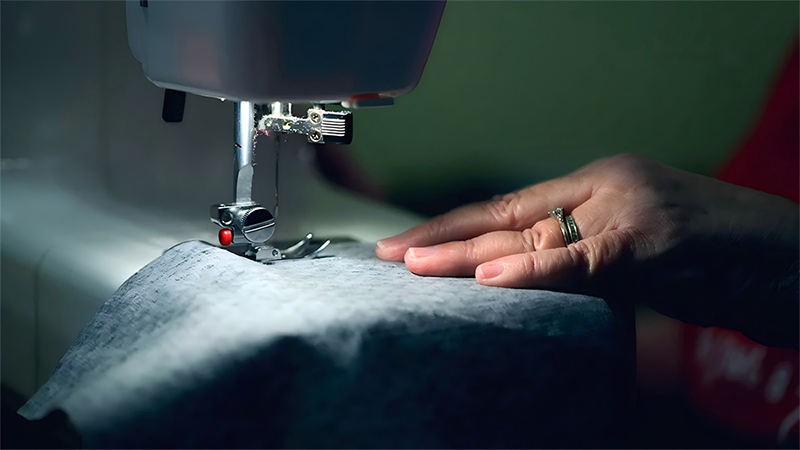
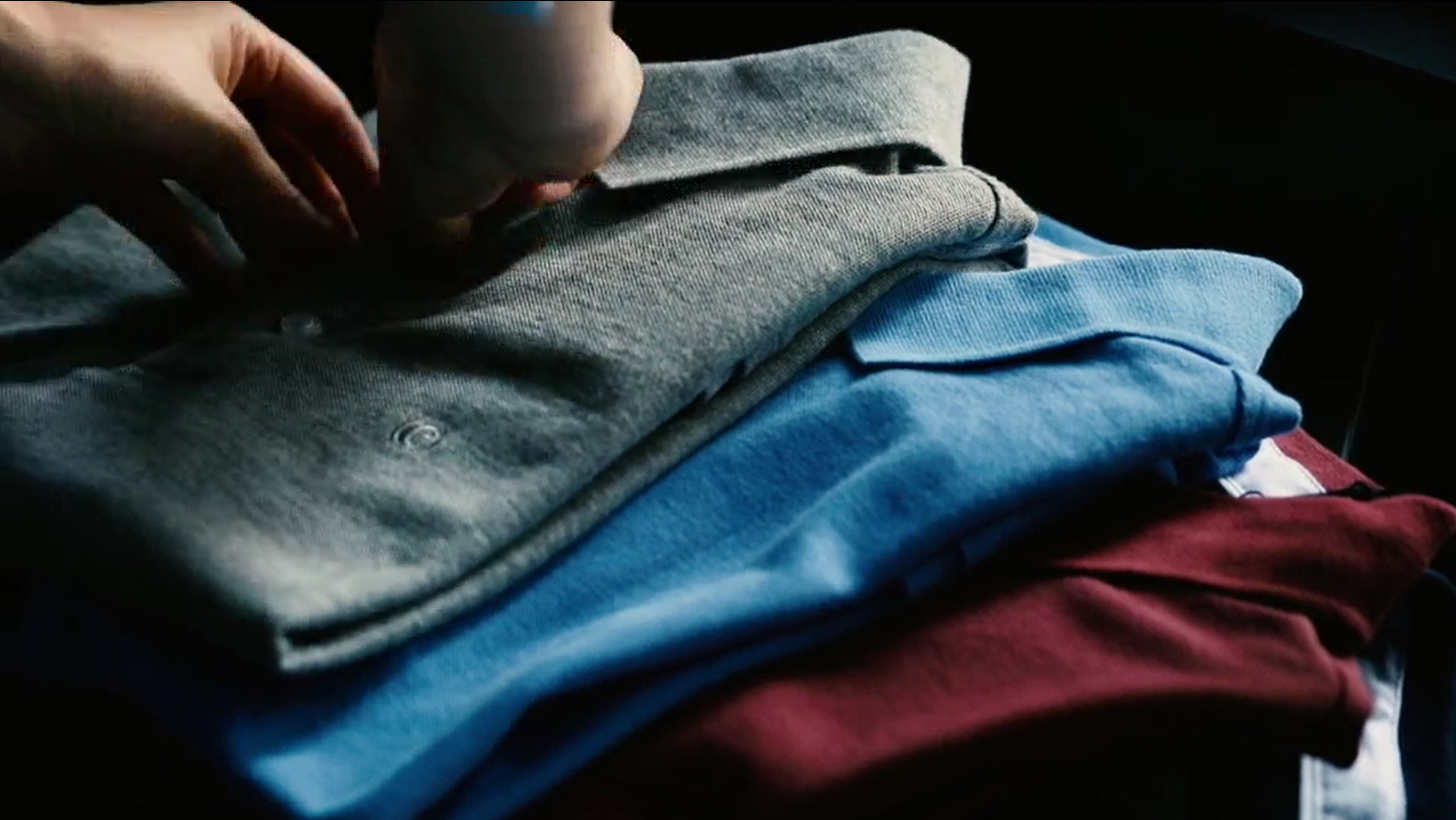
Dye-matching colors using Pantone formulations. During this stage, we verify lab dip components, print layouts, custom embroidery matrices, structural trims, and branding layouts to align with target guidelines.

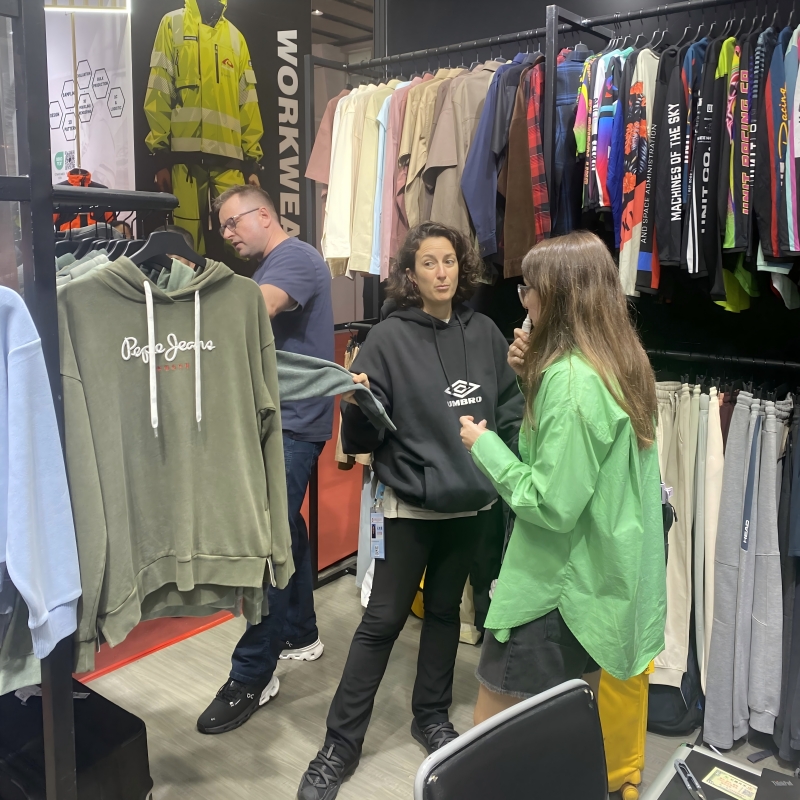
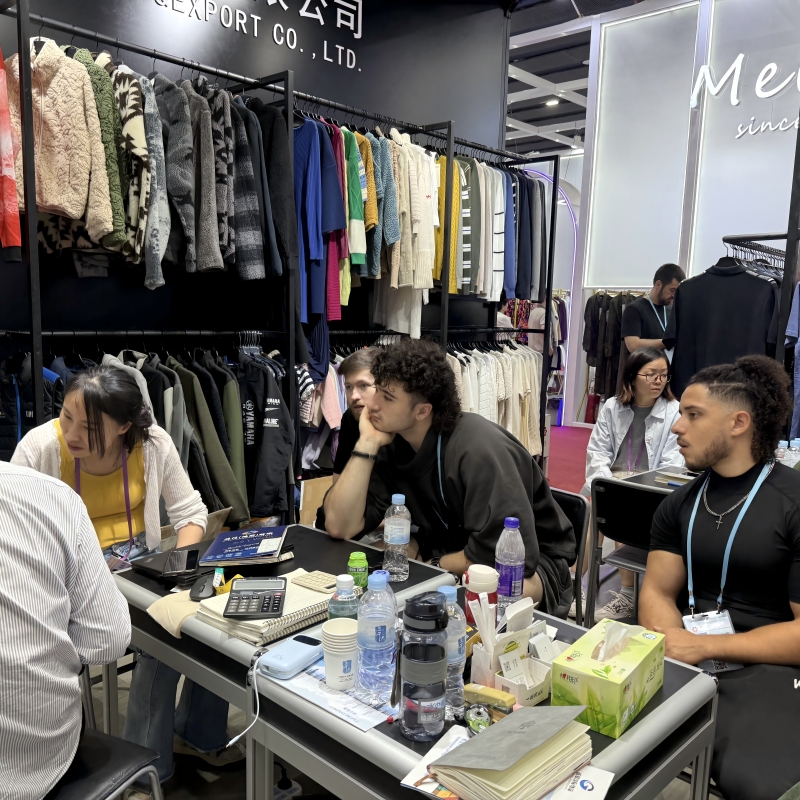
Before full-scale output begins, we produce a pre-production (PP) sample using final production fabric matrices, dyes, embossing techniques, and tags. This acts as the quality benchmark for bulk manufacturing.
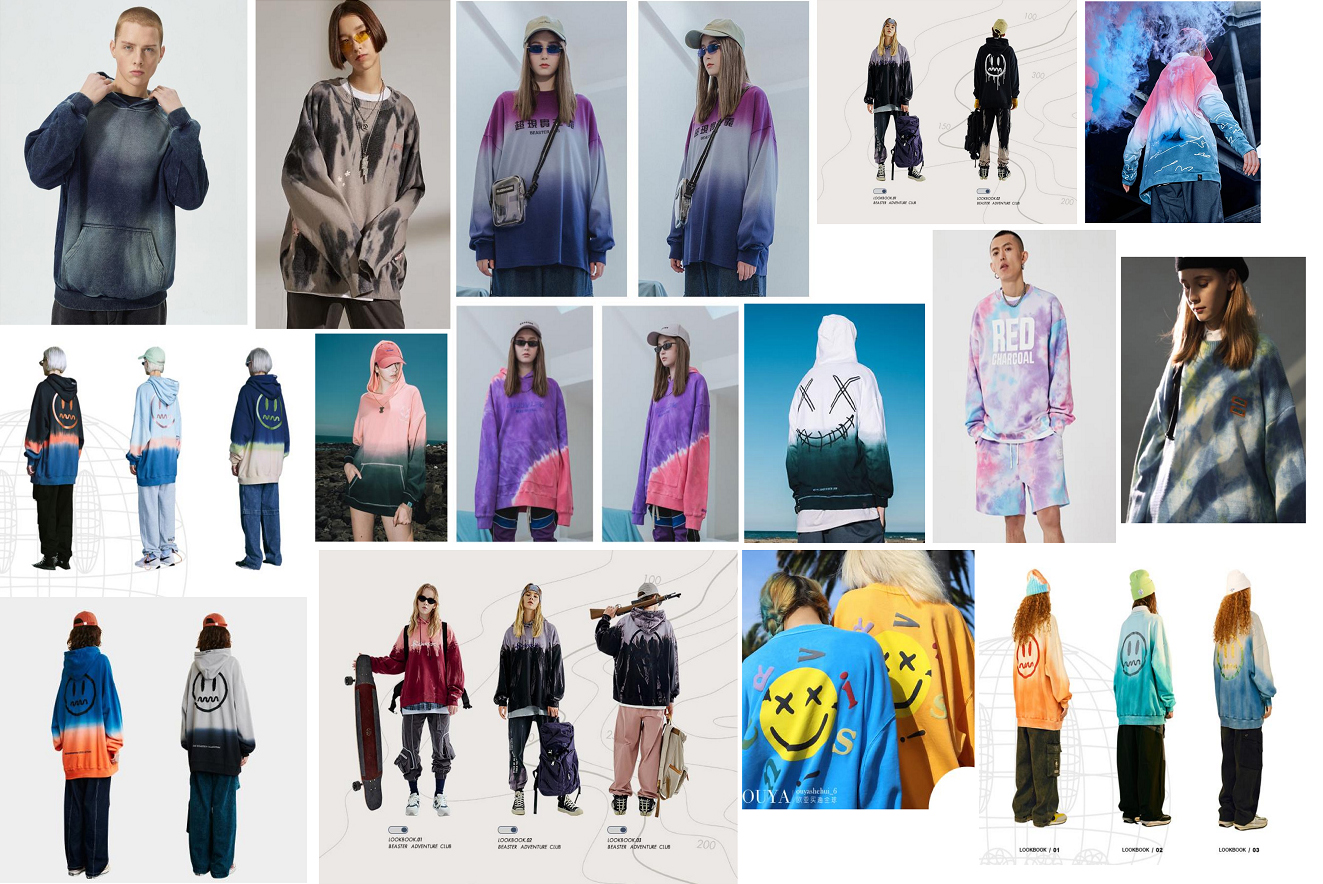
During active bulk operations, resident QC inspectors generate daily performance reports on composition, weight, print durability, and tensile strength. We back this up with third-party verification options from SGS/BV labs.
Randomly selected garments are packed and shipped to the customer for review before shipment. This confirms that bulk goods perfectly match the signed-off PP specifications.
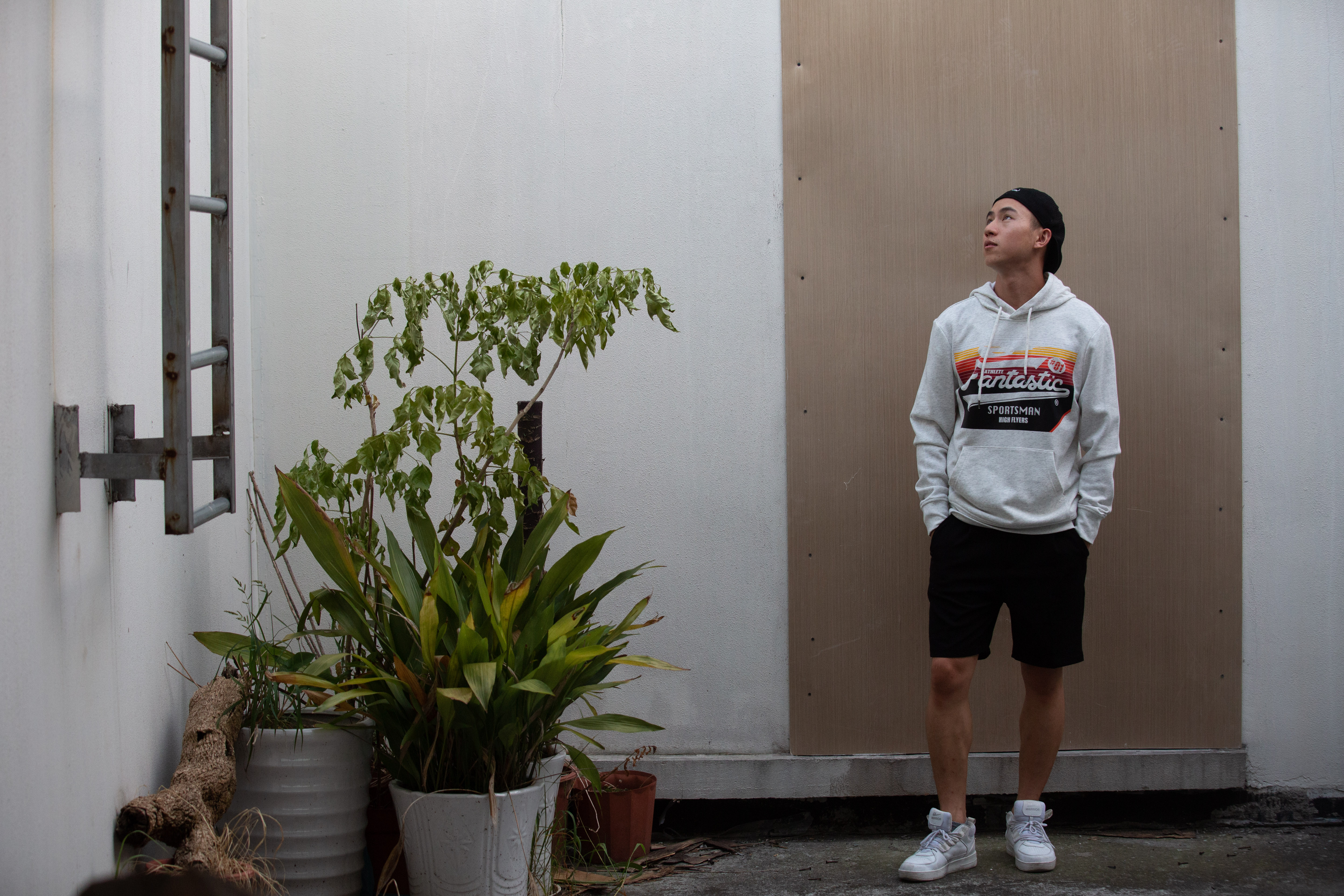
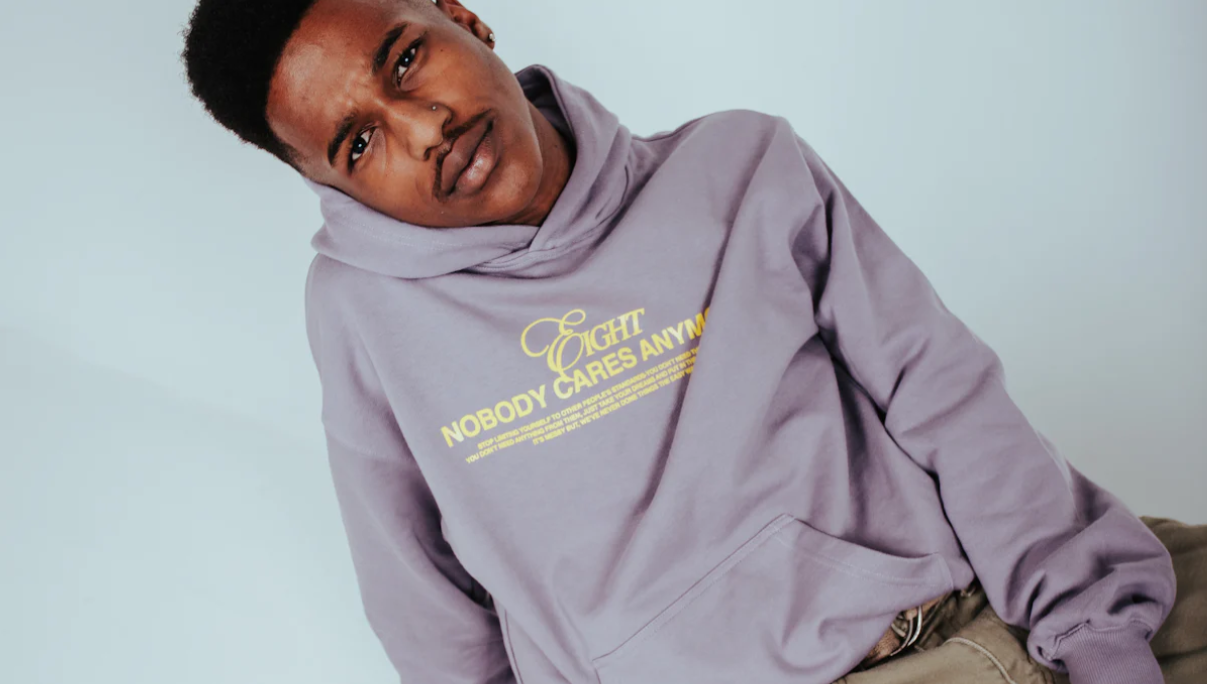

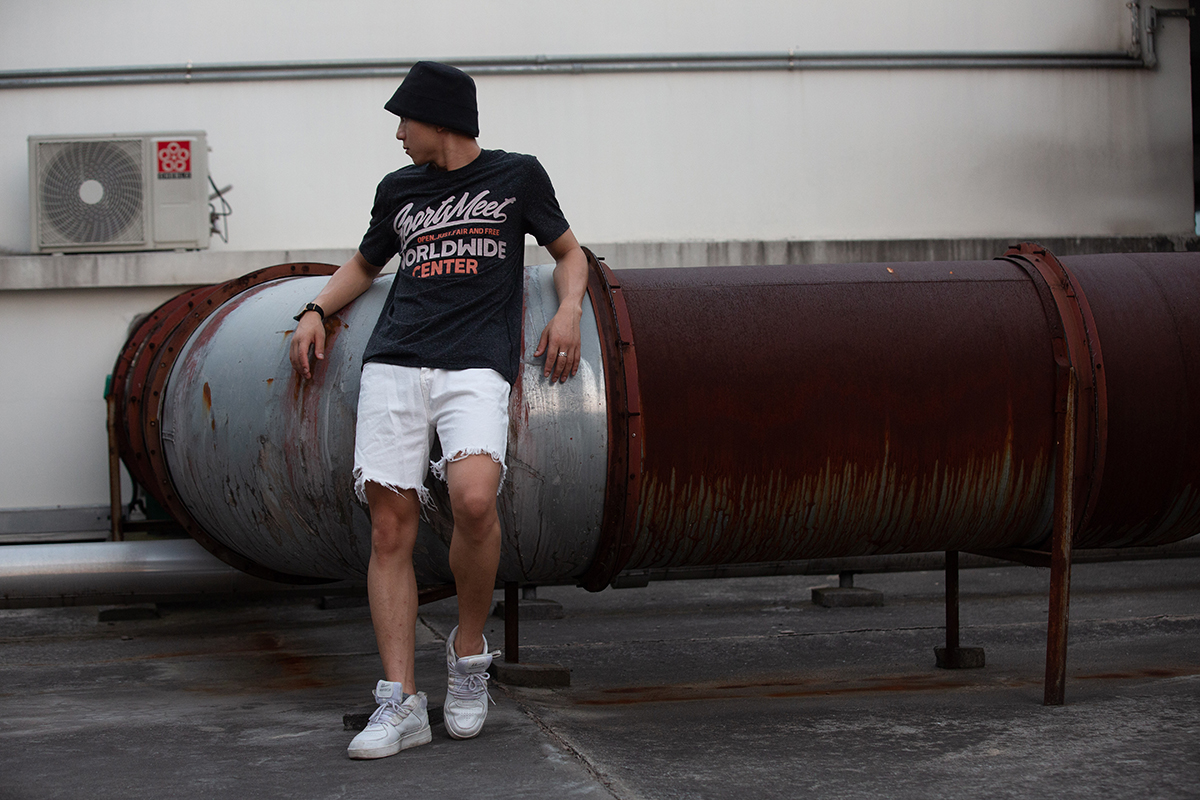
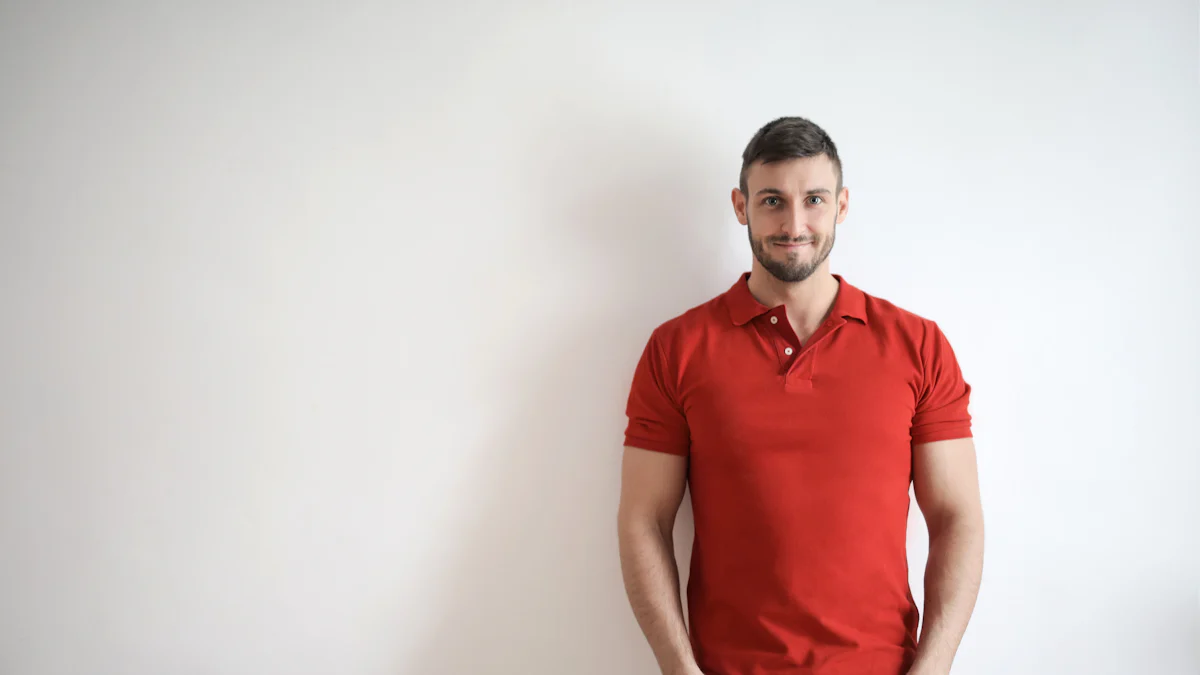
Maintaining multi-province production bases across China to secure material pipelines and balance supply risks.
Ningbo Jinmao has established large-scale manufacturing ecosystems across Jiangxi, Anhui, Henan, and Zhejiang provinces. Partnering with over 30 verified factories containing 10,000+ skilled sewing workers and 100+ high-efficiency assembly lines, we produce up to 10 Million units of ready-to-wear garments annually.
We meet the ethical criteria required by major international buyers. Our factory network holds active certifications for WARP, BSCI, Sedex, and Disney, securing cross-border trade flow to the US, EU, UK, and East Asian retail centers.

Traditional apparel factories require large minimum order quantities (MOQs) because set-up costs for heat molds, coloring runs, and knitting looms are high. Ningbo Jinmao solves this problem by using a dual-speed supply chain. By sharing fabric inventories across multiple production runs, we help brands launch trial collections with smaller starting commitments.
If your design does not meet raw material MOQ thresholds, our teams search our fabric libraries to provide similar weight, composition, and certified options. This allows premium streetwear brands to test embossed hoodie designs in real-market scenarios without committing to massive upfront stock.
Quick-turn sampling within 7-14 days and bulk delivery in 3-4 weeks.
Access to BCI, Oeko-Tex, recycled polyester, organic cotton, and Lenzing Modal fabrics.
How embossing is utilized across target markets and our investments in upcoming technologies.
Premium Streetwear: Oversized hoodies featuring deep structural chest branding that replaces large plasticized screen prints.
Techwear & Outdoor: Embossed detailing on water-repellent scuba fabrics, providing style features that do not wear off like traditional prints.
Minimal Brand Identities: Clean, tone-on-tone textures on luxury French Terry fabrics for upscale retail lines.
Recycled Fiber Formulation: Refining heat-press tolerances for 100% recycled post-consumer PET polyester, preventing thermal breakdown.
Laser-Guided Pressure Control: Deploying CNC-controlled thermal sensors to adjust plate pressure across seams, preventing flattening.
Biodegradable Backings: Developing biodegradable plant-based structural polymers to replace traditional PU foam back-fillings.
As EU regulations tighten on synthetic microfiber shedding, embossing offers a clean alternative to PVC and chemical plasticizer prints. Our R&D focuses on creating deep mechanical texturing directly into cellulose and mono-material cotton fibers, achieving circular fashion compatibility.
Delivering verified garments to major global labels and retail groups across 30+ export destinations.








Detailed technical and logistical answers regarding embossed apparel manufacturing processes.
Our pricing is calculated based on raw material costs, design complexity, embossing molds, and production volume. Please contact our trade specialists with your target fabric weights and quantity requirements for an accurate quote.
Yes. MOQs vary depending on styling, fabric type, and construction techniques. If your design requires custom colors or fabrics, our minimums adapt to the milling run of the yarn. However, we can source similar fabrics from our stock program to help brands launch collections with smaller initial orders.
Absolutely. We provide Certificates of Analysis / Conformance, custom export documentation, and certificates for organic inputs (BCI, GRS, Oeko-Tex). Our partner factories carry active BSCI, Sedex, Disney FAMA, and WARP audits.
Fit and design sampling takes 7-14 days. Once the pre-production sample is approved, simple designs require 3-4 weeks for bulk manufacturing, while complex embossed styles with backing structures require 4-5 weeks. Shipping times vary depending on the destination port and freight method.
We accept Advance T/T (Telegraphic Transfer) or L/C (Letter of Credit) at sight. For customers with established accounts and strong credit ratings verified by Sinosure, we offer extended net terms.
We stand behind the quality of our materials and workmanship. If any garments fail to meet approved pre-production samples or industry shrinkage tolerances, our quality assurance team will investigate and address the issue to ensure customer satisfaction.
Yes, we encourage ordering physical samples to confirm fabric hand-feel, dimensions, and embossing durability. A sampling fee is charged to cover development and mold setup, which is refunded when your bulk order is finalized.
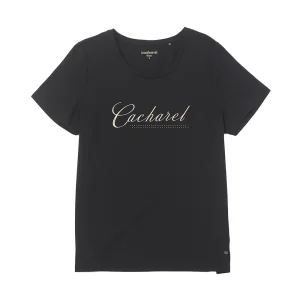
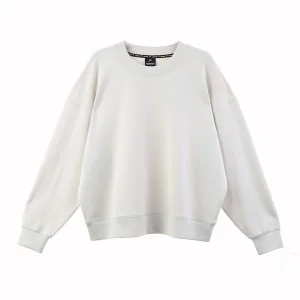
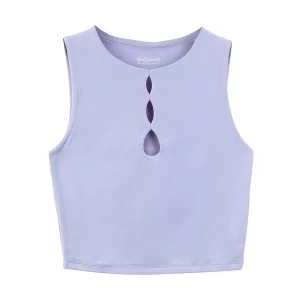
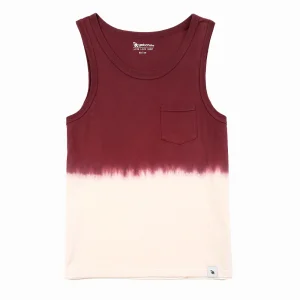
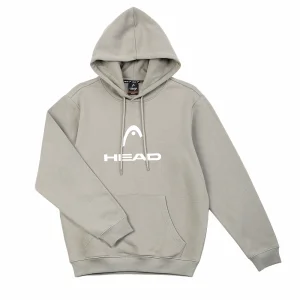
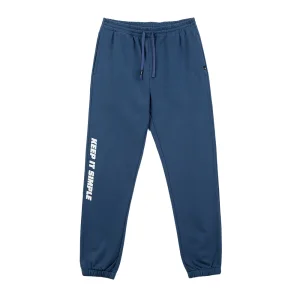
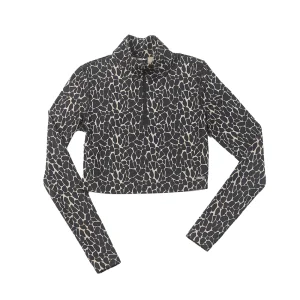
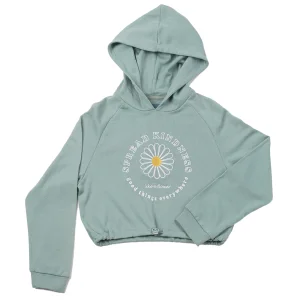
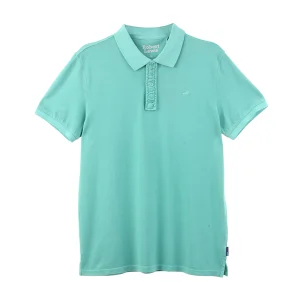
The garments shown online represent only a small portion of our design capability. We operate as a full-service supplier. If you do not see the specific fabric weight, cut, or embossing technique you require, please contact us to review our complete range of capabilities.
We use specific synthetic fiber blends and polyurethane backing inserts to ensure the 3D embossing retains its shape. Machine washing in cold water on a gentle cycle preserves the emboss structure over the lifetime of the garment.
 Jinmao