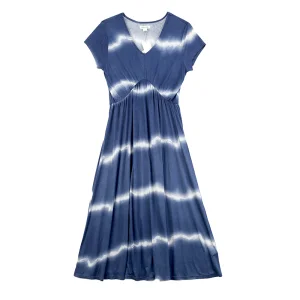
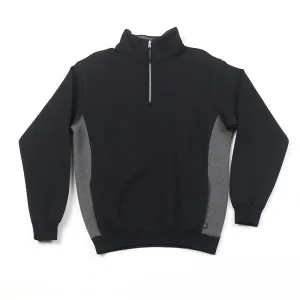
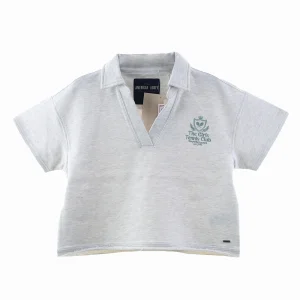
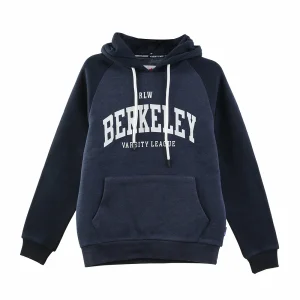
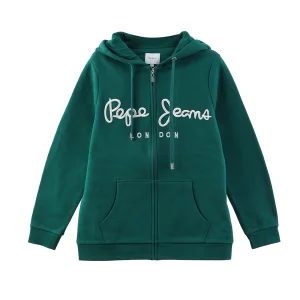
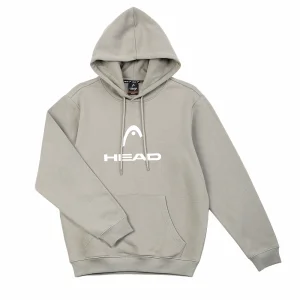
In the hyper-competitive international fashion and corporate wear markets, sourcing a reliable China Embroidery Sweatshirt Supplier & Factory is no longer just about unit cost. Global supply chain managers face multifaceted challenges: balancing carbon neutrality targets, ensuring chemical compliance (such as REACH, Prop 65, and Oeko-Tex Standard 100), avoiding production delays, and navigating the complexities of small-batch, fast-response customization. Modern consumers demand high-density stitch precision, soft-touch fabric handles, and structural stability that prevents shrinkage after wash.
As brands seek to diversify risk, the geographical hub of Ningbo, China remains the global epicentre of textile innovation and export efficiency. Benefitting from deep-water ports, vertically integrated supply ecosystems, and highly specialized automation, Chinese manufacturers are setting new standards for premium hoodies and custom sweatshirts. Ningbo Jinmao has established itself at the forefront of this industrial shift, providing an unbroken transition from structural CAD pattern design to precision multi-head embroidery.
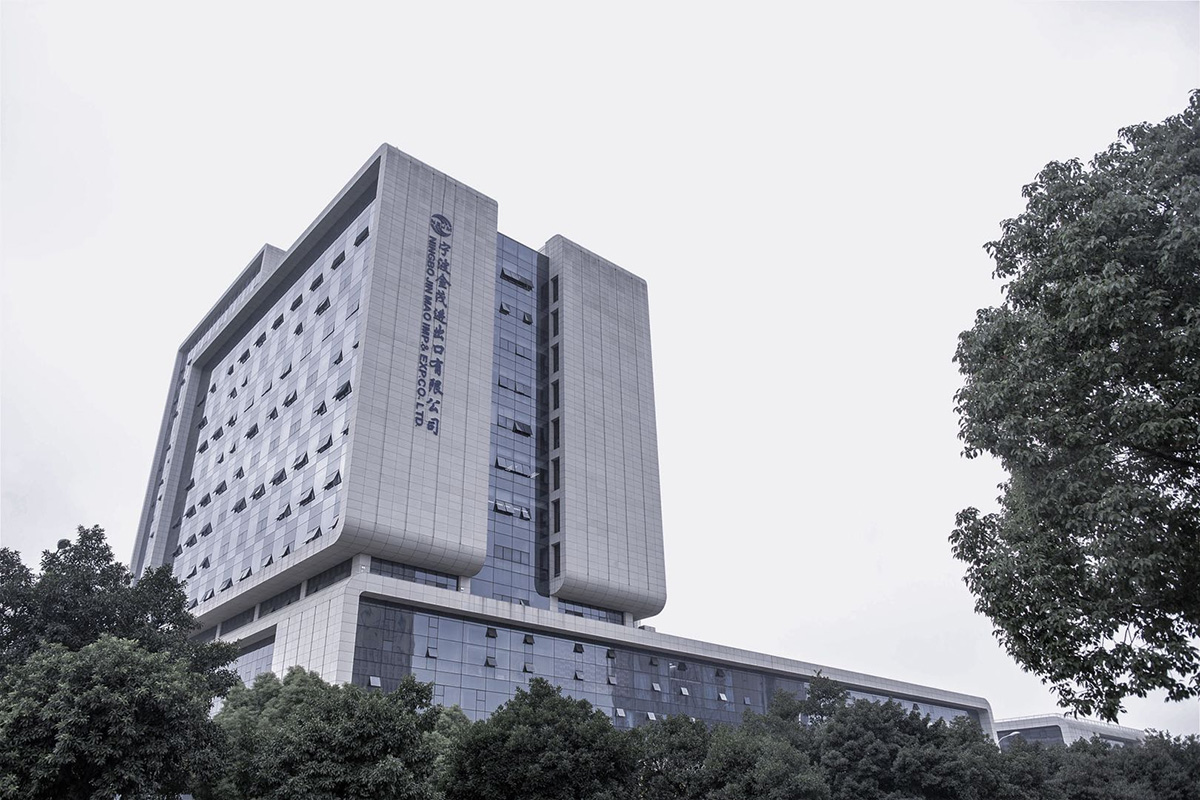
Ningbo Jinmao Import & Export Co., Ltd. was founded in the year 2000. Through more than 20 years of dedication, growth, and continuous process optimization, the corporation has built an annual turnover exceeding thirty million U.S. dollars. Today, we stand as a premier garment import and export company in Ningbo, actively leading ecological initiatives and implementing strict management systems verified by ISO9001:2015 and ISO14001:2015.
With an agile corporate team of over 50 head-office experts and a production network of thousands of weavers and engineers, our garment styles span men's, women's, and children's apparel. We maintain independent design departments and deep-technical execution teams capable of translating complex concepts into high-end retail collections.
We operate an advanced fashion and techpack development studio. Send us your concept art, dimensional drawings, or reference images, and we will formulate customized techpacks and material recommendations tailored to your targeted price bracket.
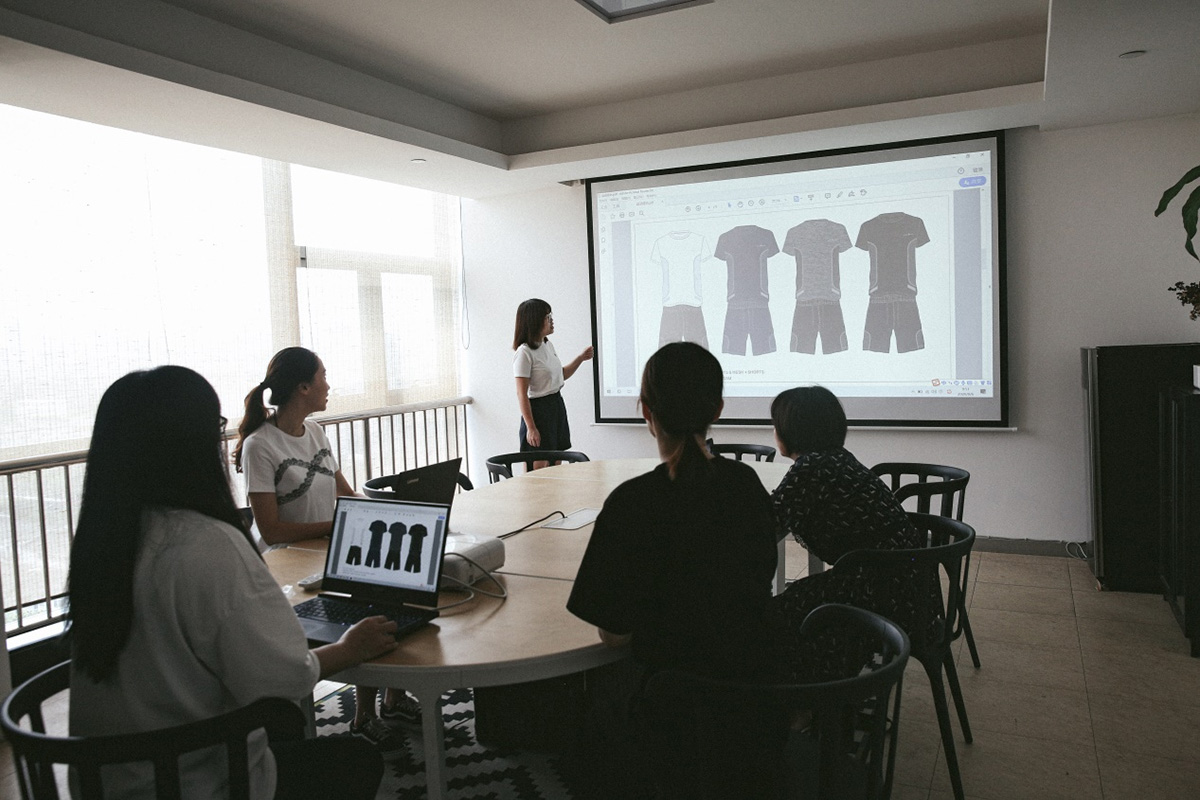
Led by master pattern designers averaging over 20 years of textile engineering experience. Our in-house facility guarantees the creation of structural fit-samples and sales prototypes within 7 to 14 days, minimizing time-to-market.
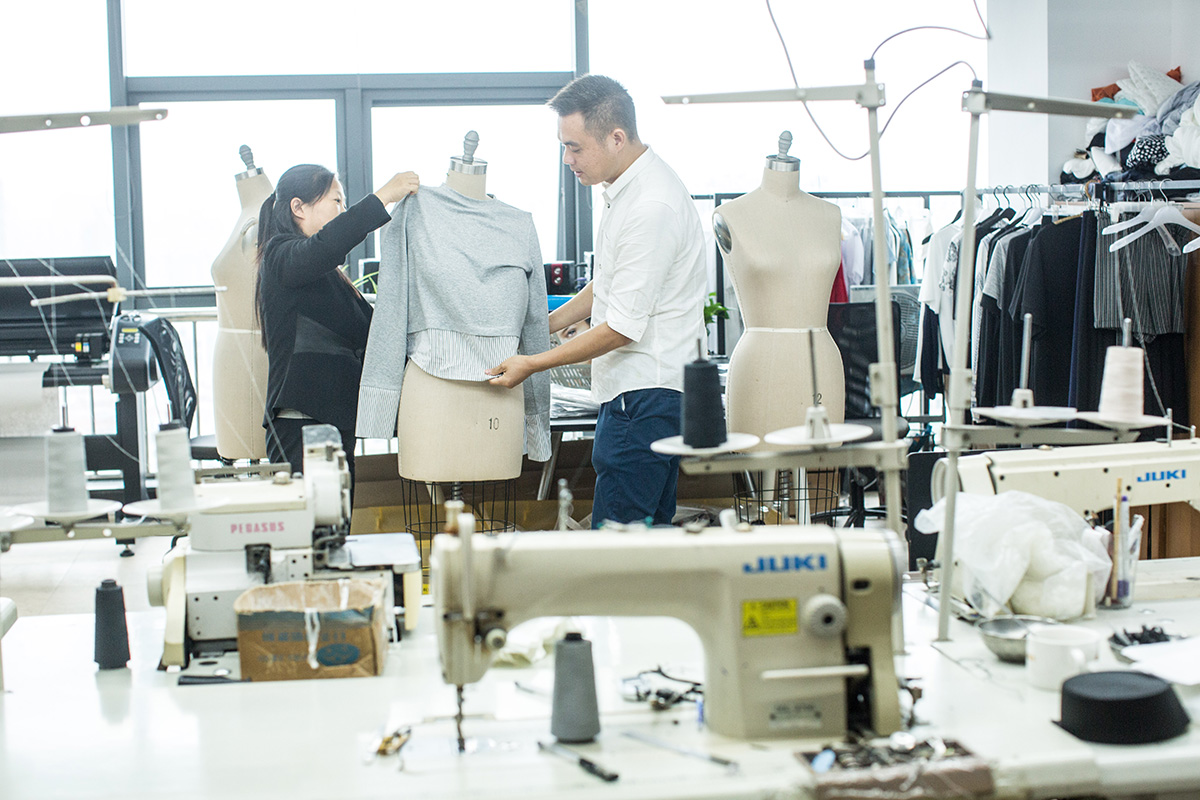
Our account managers hold an average tenure of 10+ years. Having exported to over 30 countries and supplied major department stores, hypermarkets, and luxury boutique labels, they seamlessly navigate complex chemical regulations, GRS, and BCI protocols.
Sweatshirts and hoodies designed for heavy-duty embroidery require structural integrity. Low-grade knit fabrics warp, pucker, or tear under dense stitch counts. At Ningbo Jinmao, we manufacture and source textiles engineered specifically to stabilize embroidery needles while retaining superior drape, breathable loft, and anti-pilling surface properties.
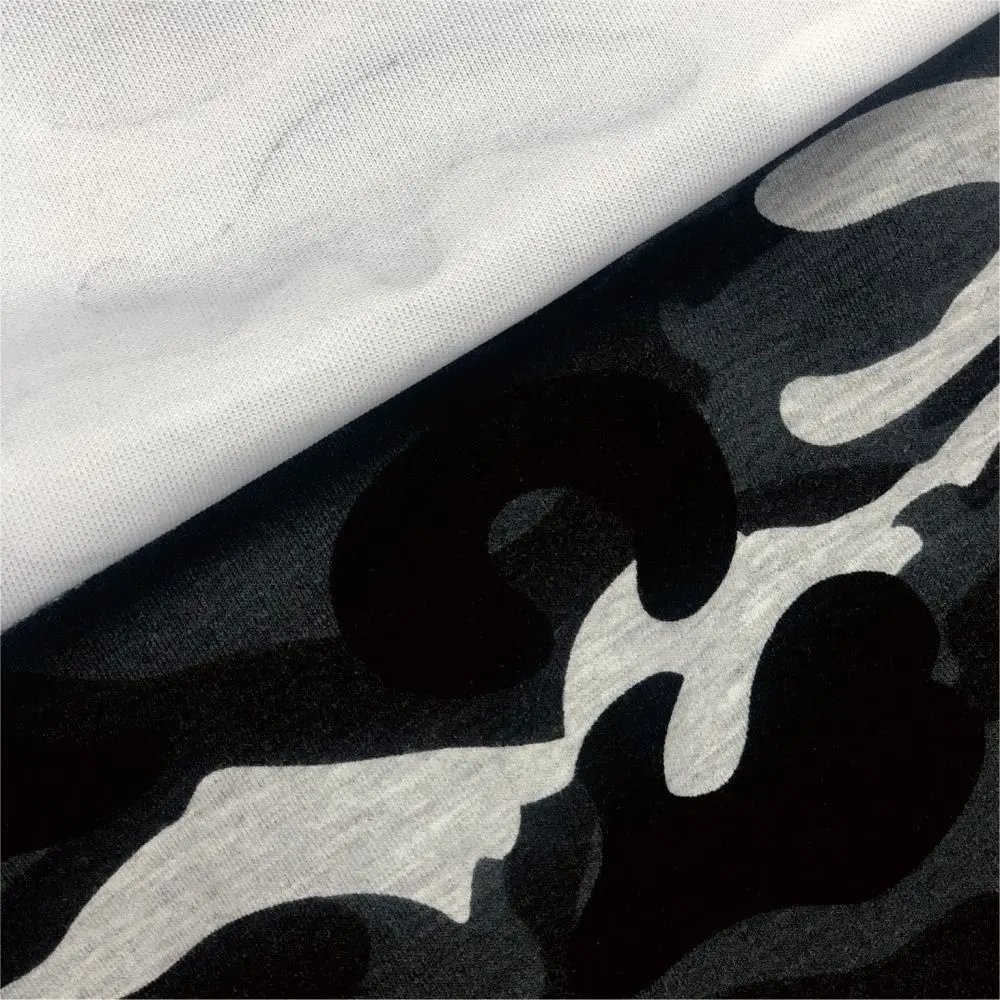
A double-knit spacer fabric combining polyester, nylon, and spandex. Ideal for sculptural, structured streetwear with a smooth surface that acts as an optimal base for crisp 3D embroidery.
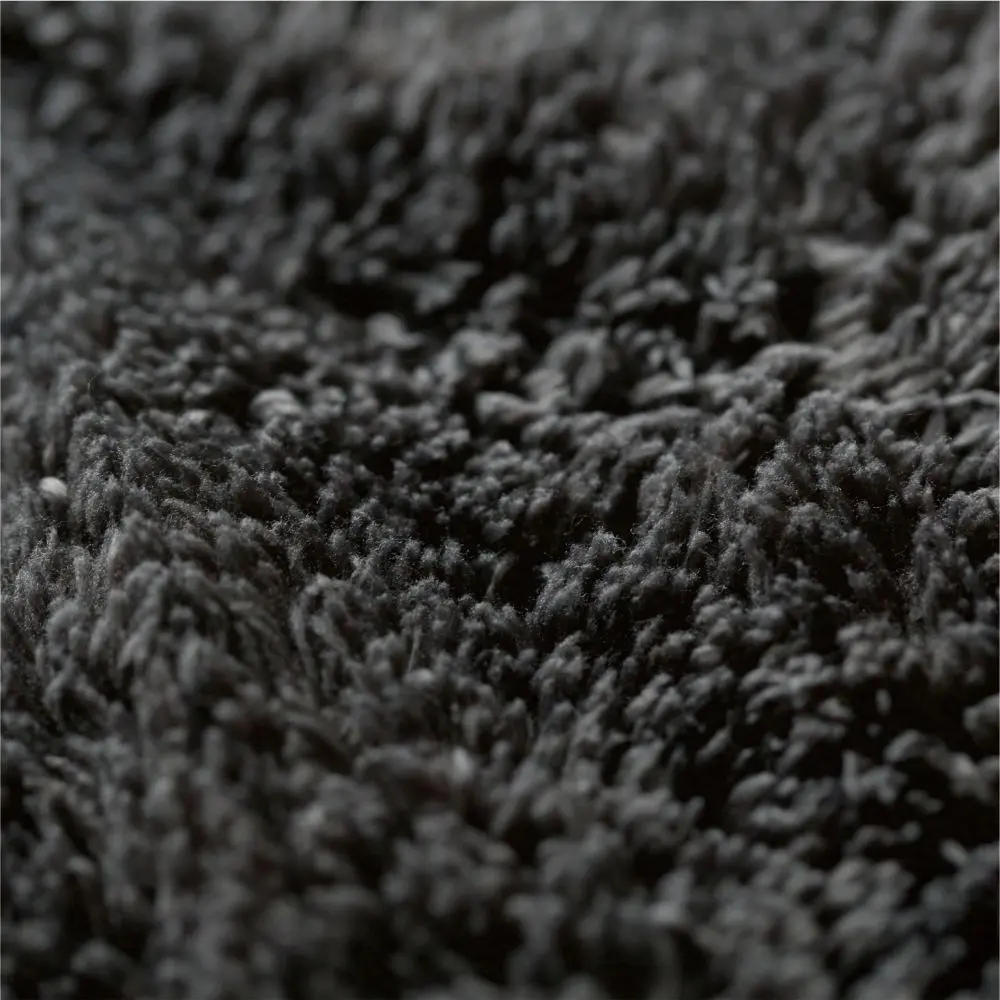
Highly insulating, high-pile fabrics providing superior thermal retention. Often used in winter hoodies, we apply water-soluble backings to guarantee embroidery details do not get lost in the pile.
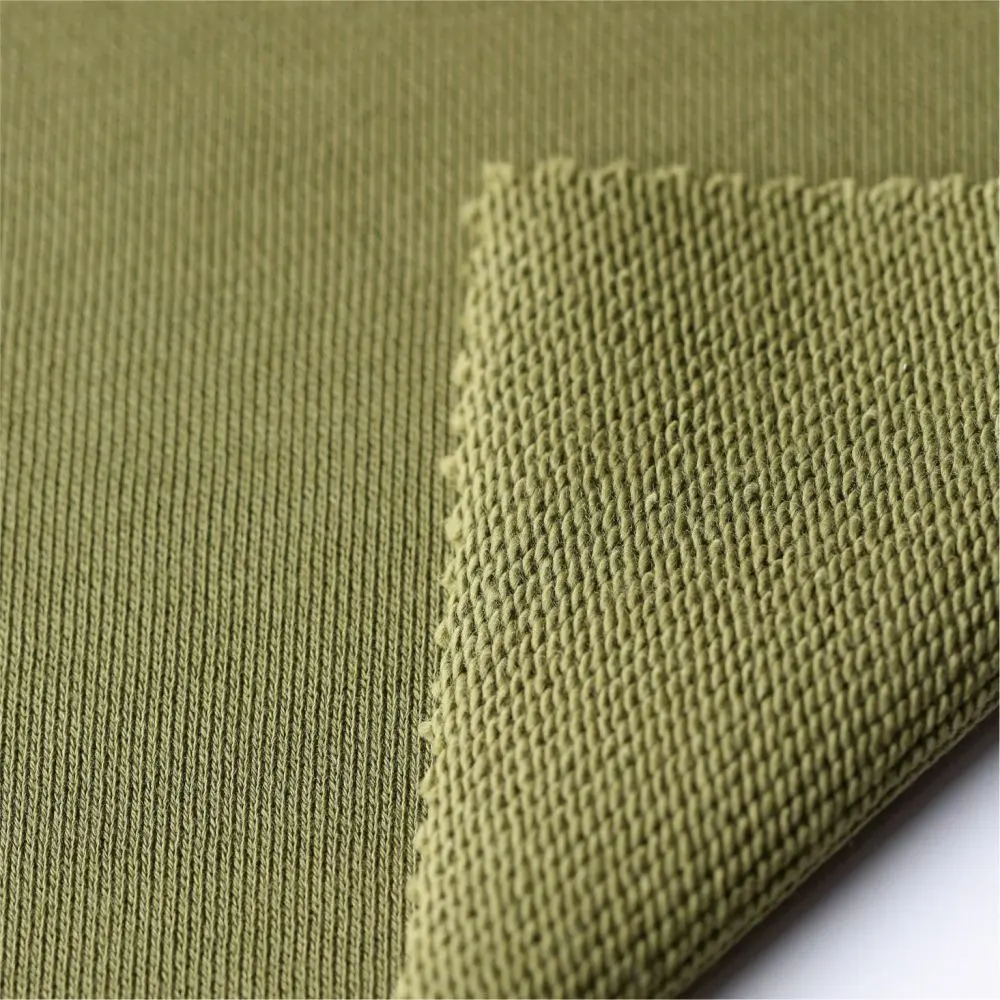
The classic sweatshirt fabric. Unbrushed loopback or brushed fleece backings available. Excellent moisture wicking and weight classes ranging from lightweight 240 GSM to heavyweight 500 GSM.
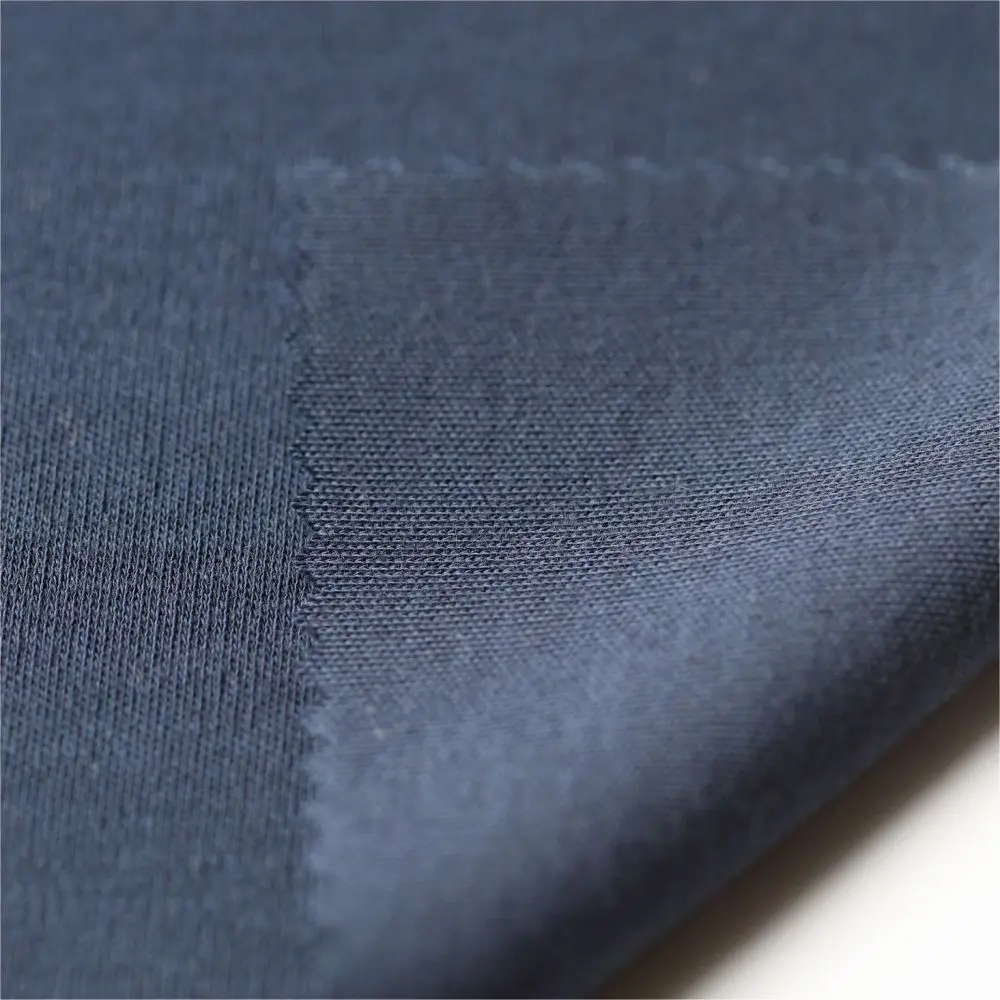
A premium double-knit rib structure featuring identical smooth faces on both sides. Offers excellent dimensional recovery and prevents distortion around embroidered logos.
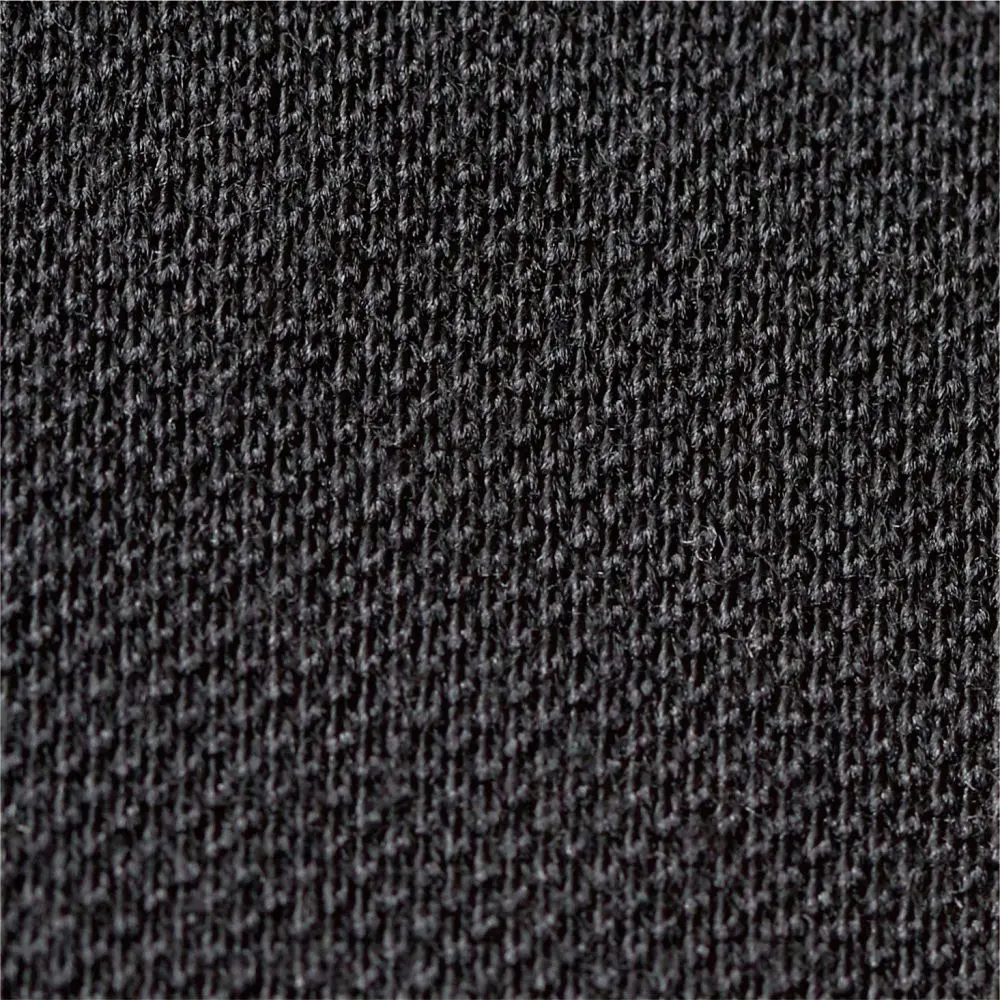
Characterized by a geometric waffle or honeycomb textured weave. Highly breathable, standard in corporate polo sweatshirts and varsity wear.
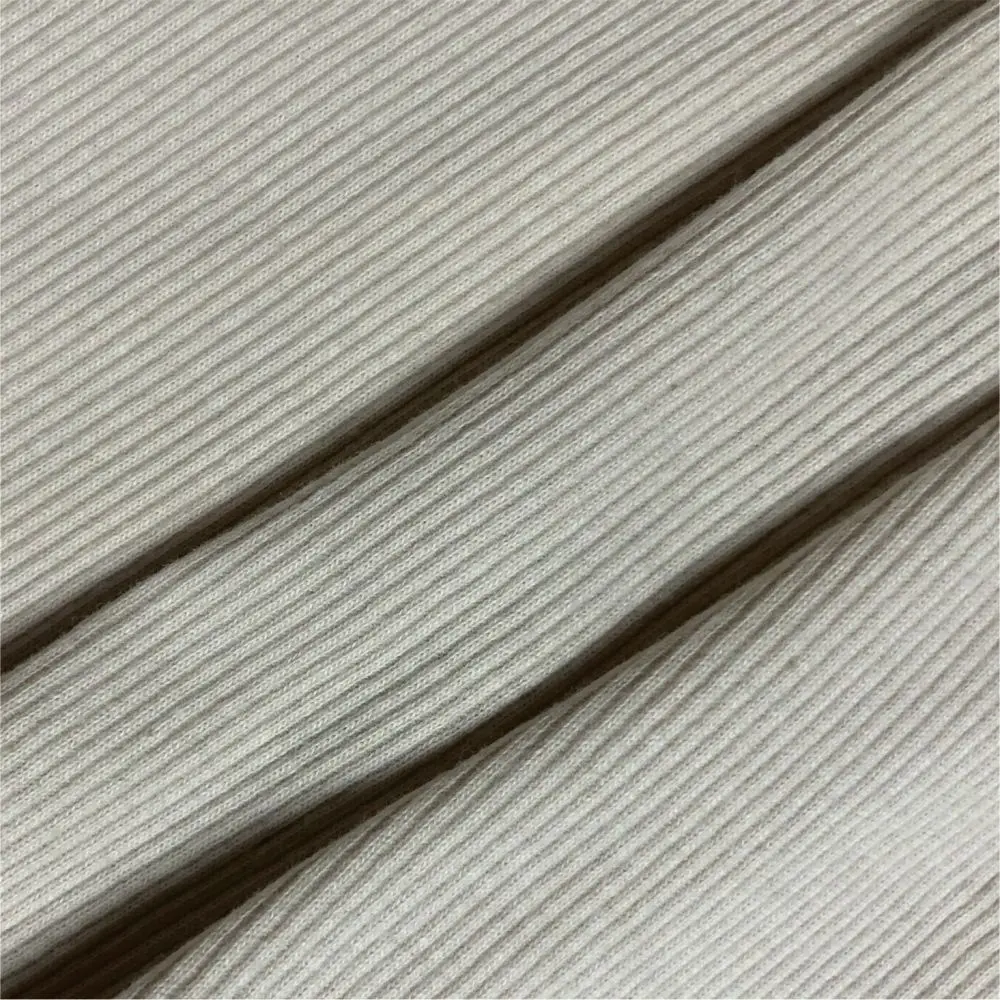
Typically engineered in 1x1 or 2x2 structures, used for collars, cuffs, and hem bands. Formulated with high-grade elastane to ensure dynamic recovery and shape retention.
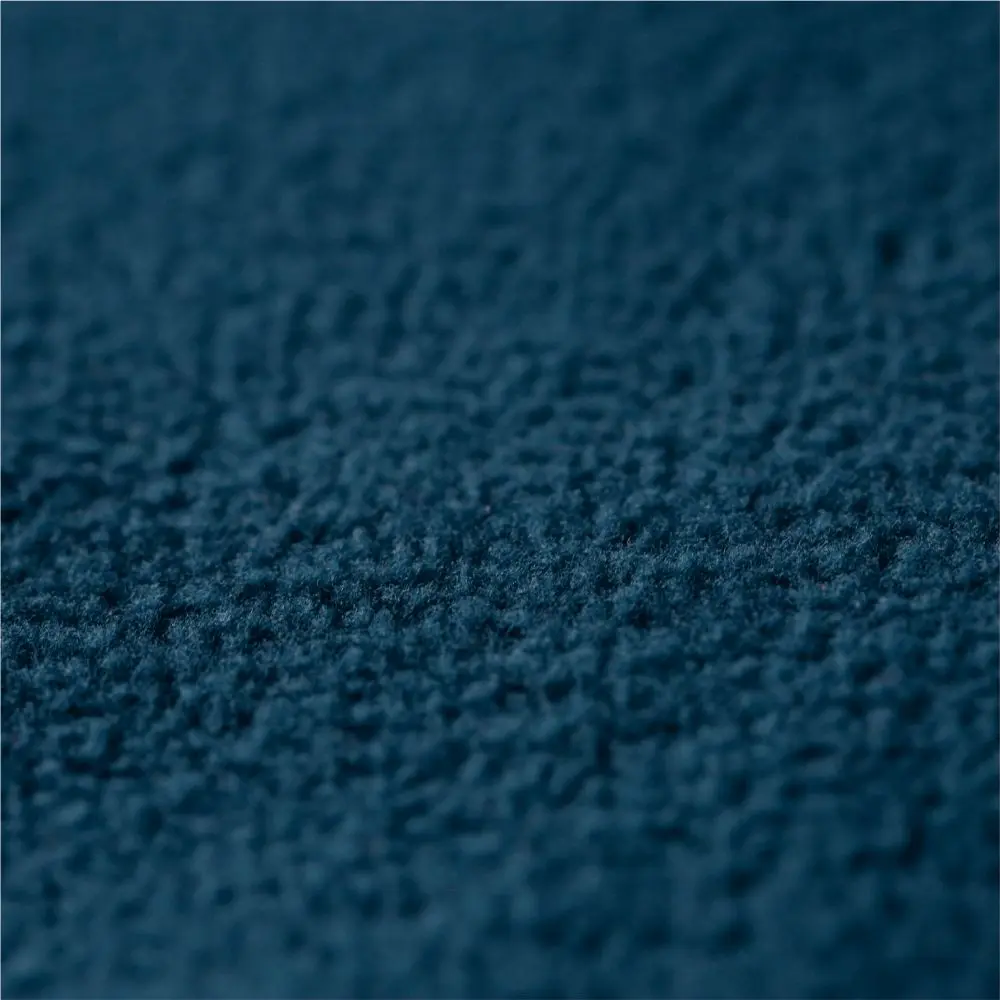
A synthetic napped insulating fabric, lightweight yet incredibly warm. Treated with anti-pill finishes to ensure prolonged lifetime and stitch anchorage.
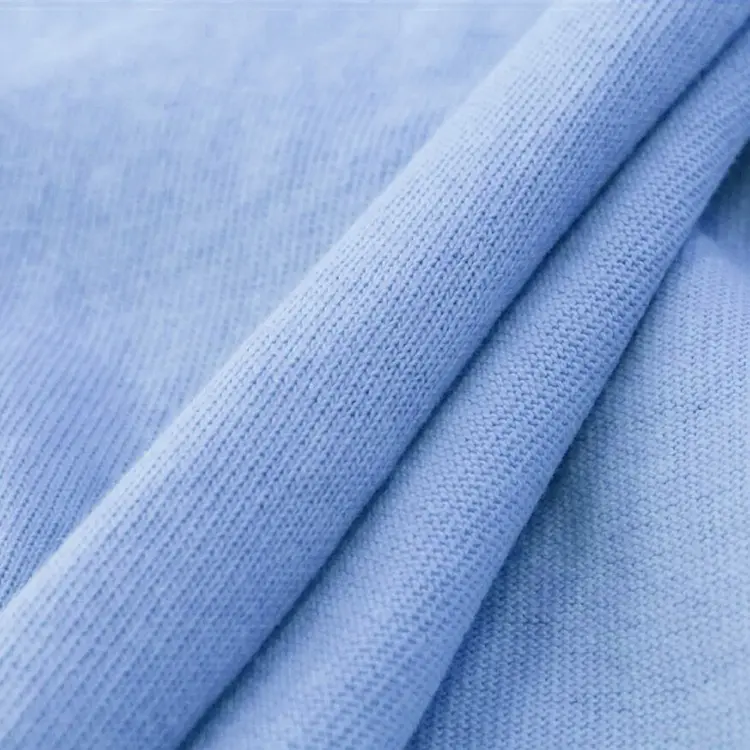
Lightweight, highly drapable single-knit fabric. Perfect for lining hoodies or forming lightweight lifestyle t-shirts and summer pullovers.
Achieving product differentiation requires mastery over raw decoration techniques. Ningbo Jinmao integrates advanced printing methodologies alongside high-density computerized embroidery to deliver multi-layered texture profiles that elevate premium apparel lines.
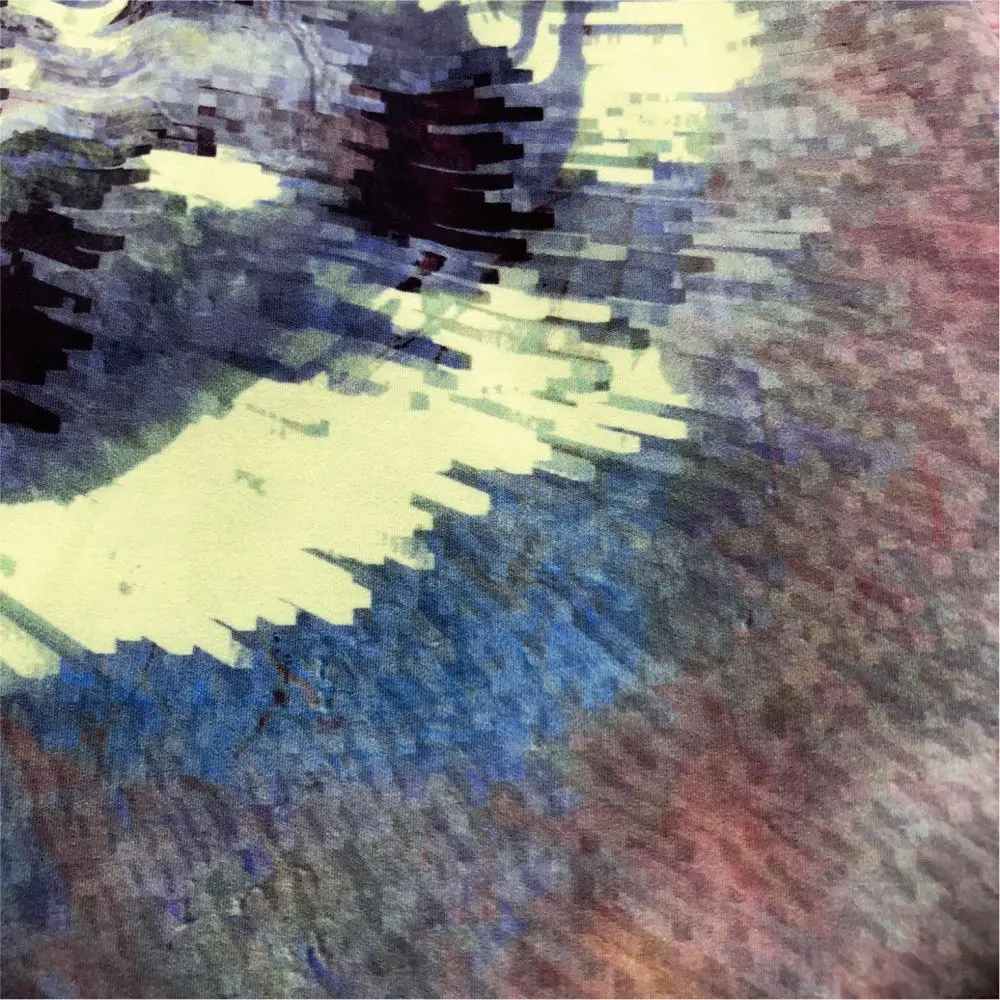
High-resolution print technology offering limitless color spectrums, photographic clarity, and minimal setup costs. Excellent for complex artworks.
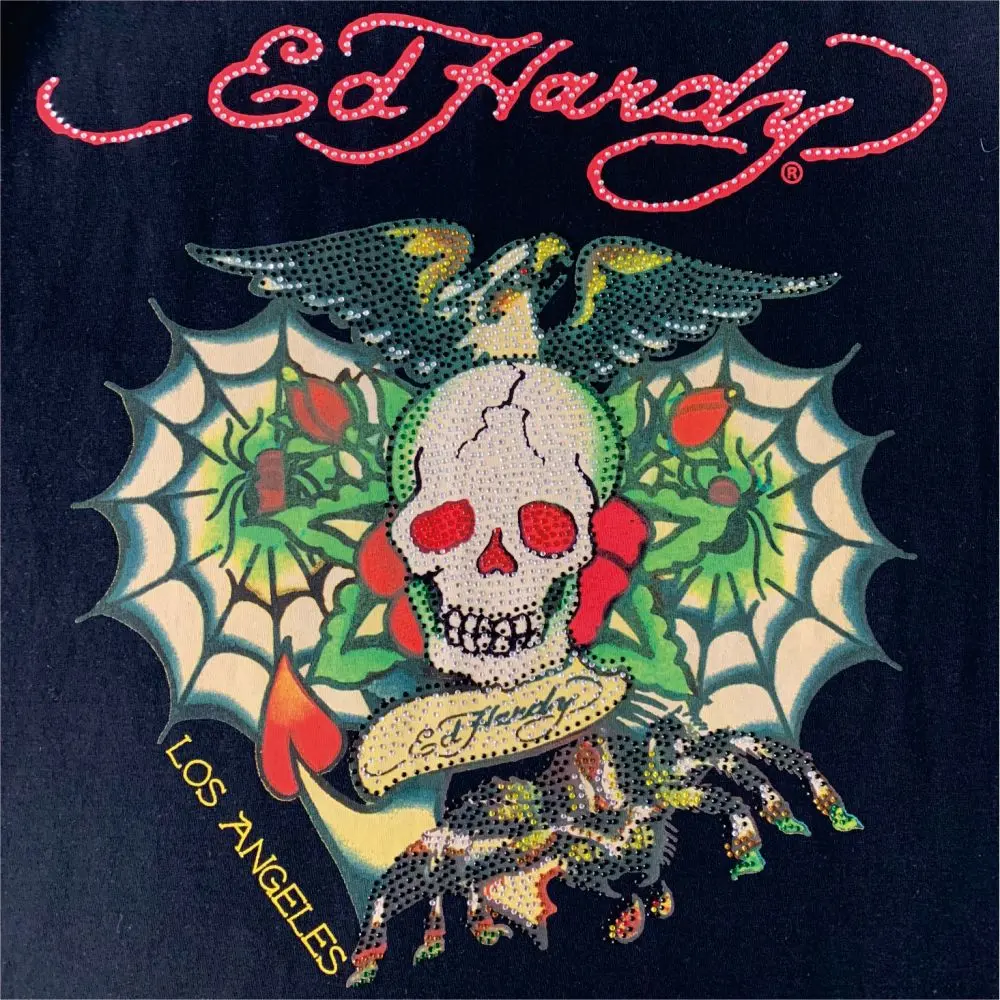
Formulated using specialized inks that deactivate fabric dyes on dark garments, replacing them with custom pigmentation to create a breathable finish.
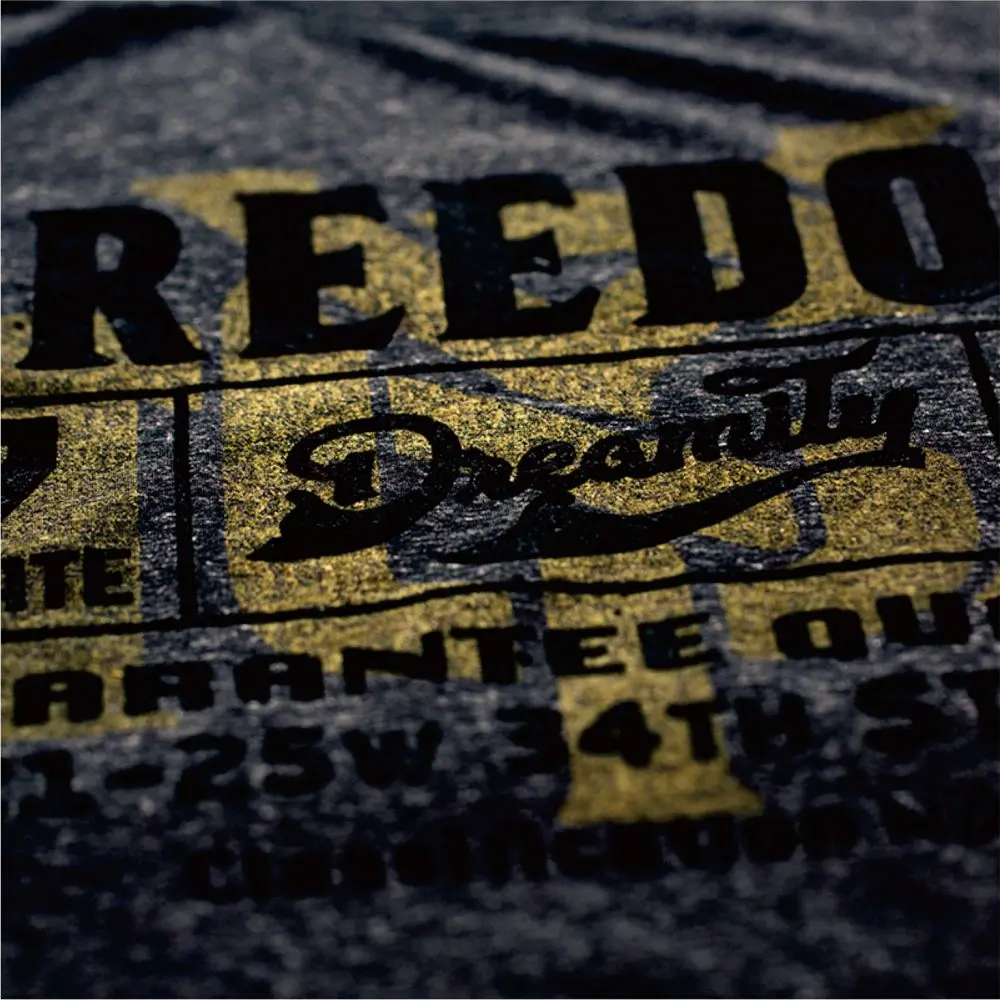
Applying short, velvety synthetic fibers using electrostatic charges to form a raised, luxurious suede-like tactile experience.
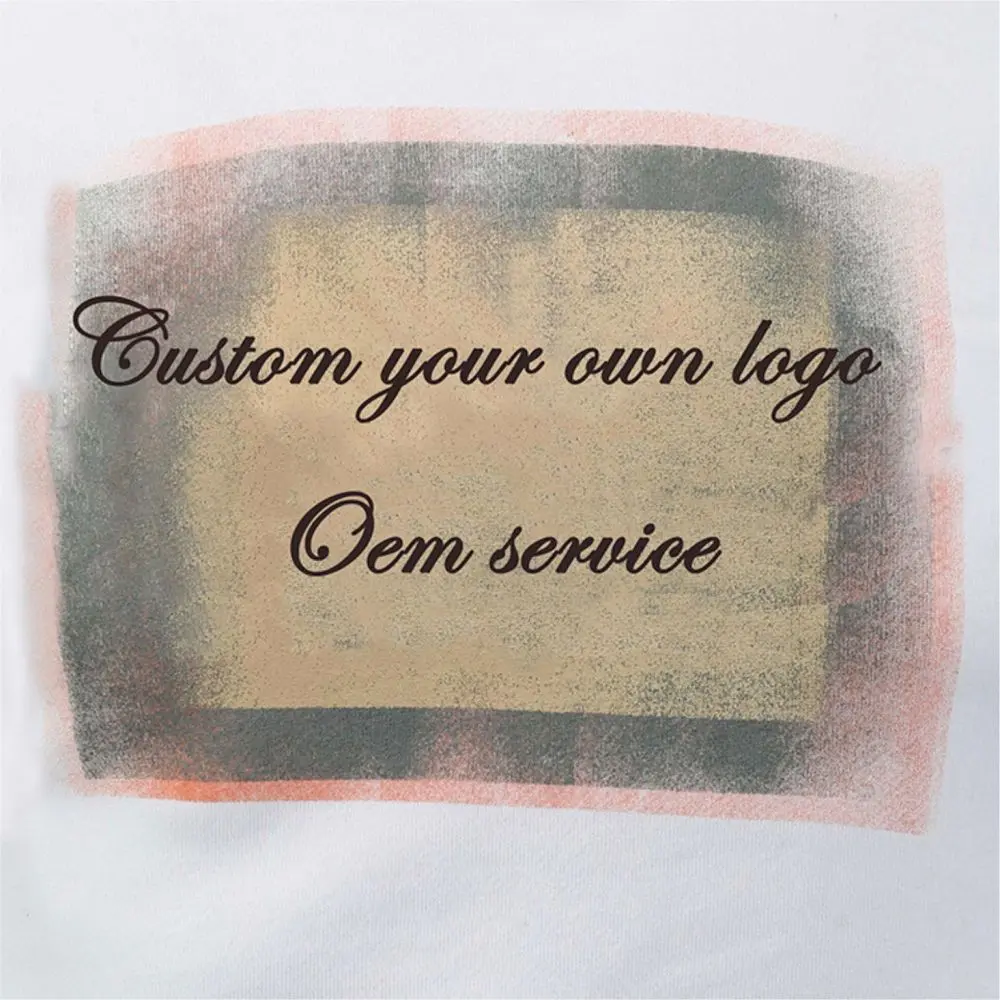
Environmentally compliant inks that seep deep into knit fibers, producing an ultra-soft hand feel that does not crack or block air permeability.
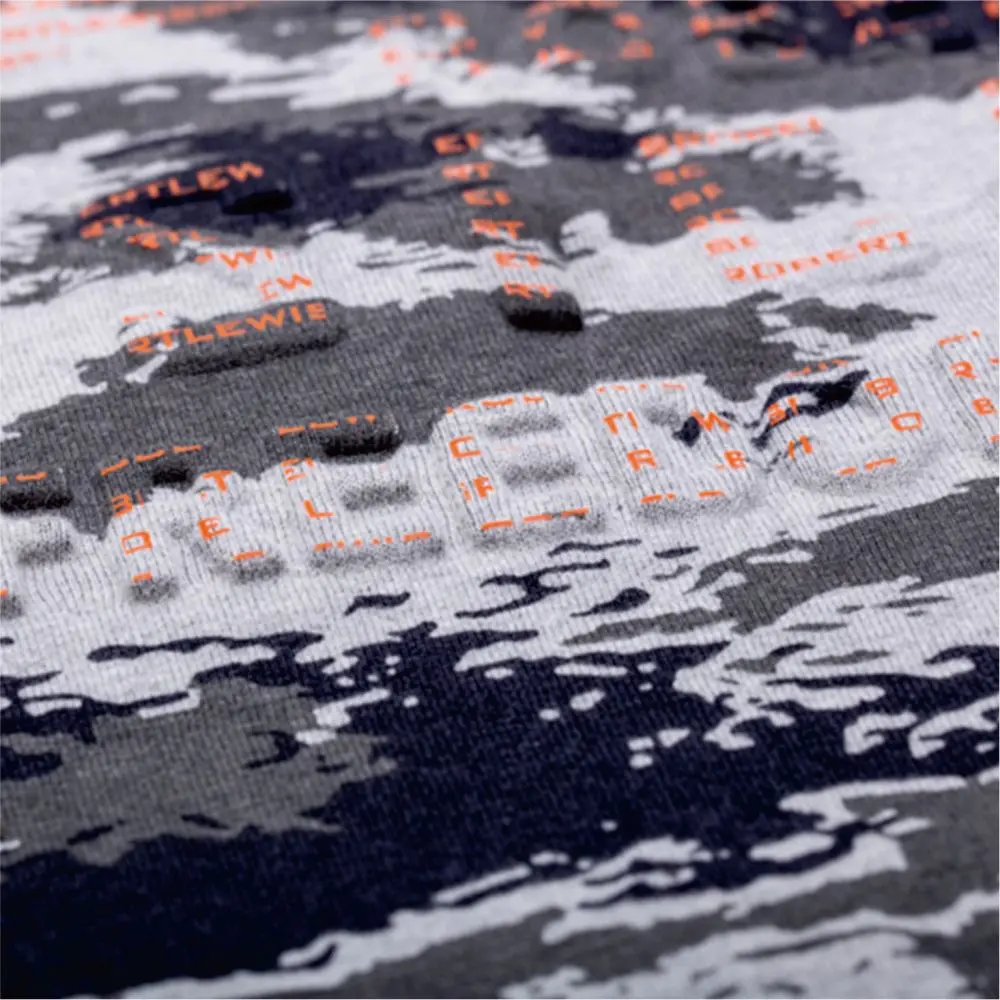
Utilizing high-pressure thermal plates to permanently engrave 3D textures, patterns, and corporate insignia into fleece and scuba textiles.
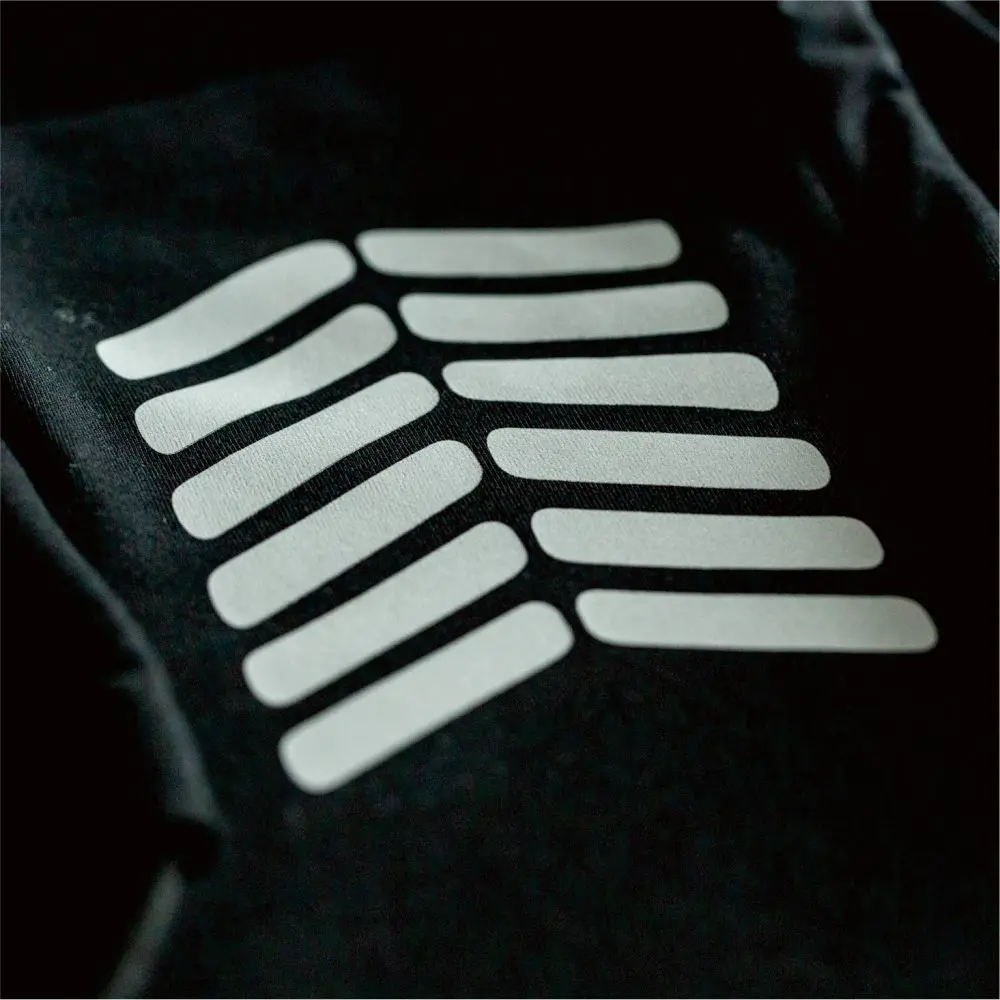
Incorporating glow-in-the-dark or high-visibility UV-reactive pigments. Ideal for high-visibility industrial garments or statement streetwear lines.
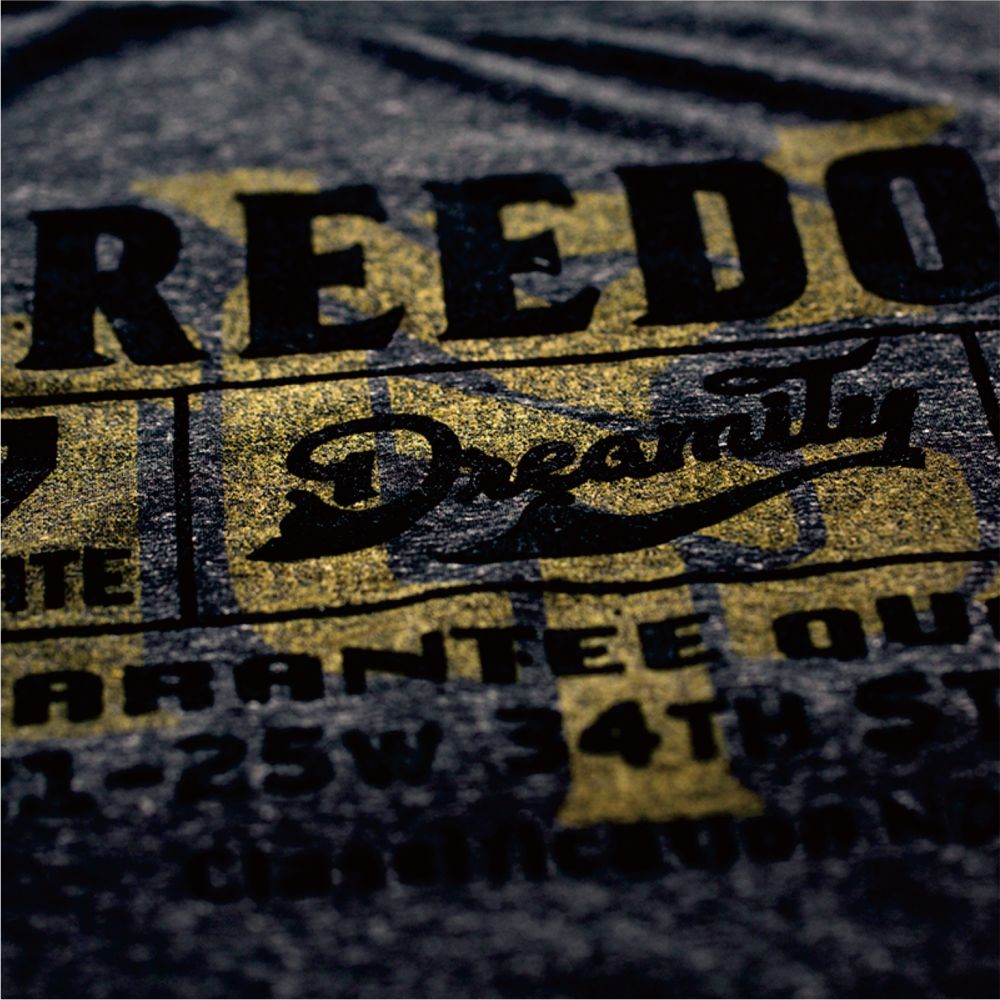
Utilizing automatic oval printing machines and direct-to-garment digital units to execute multi-colored graphics with razor-sharp margins.
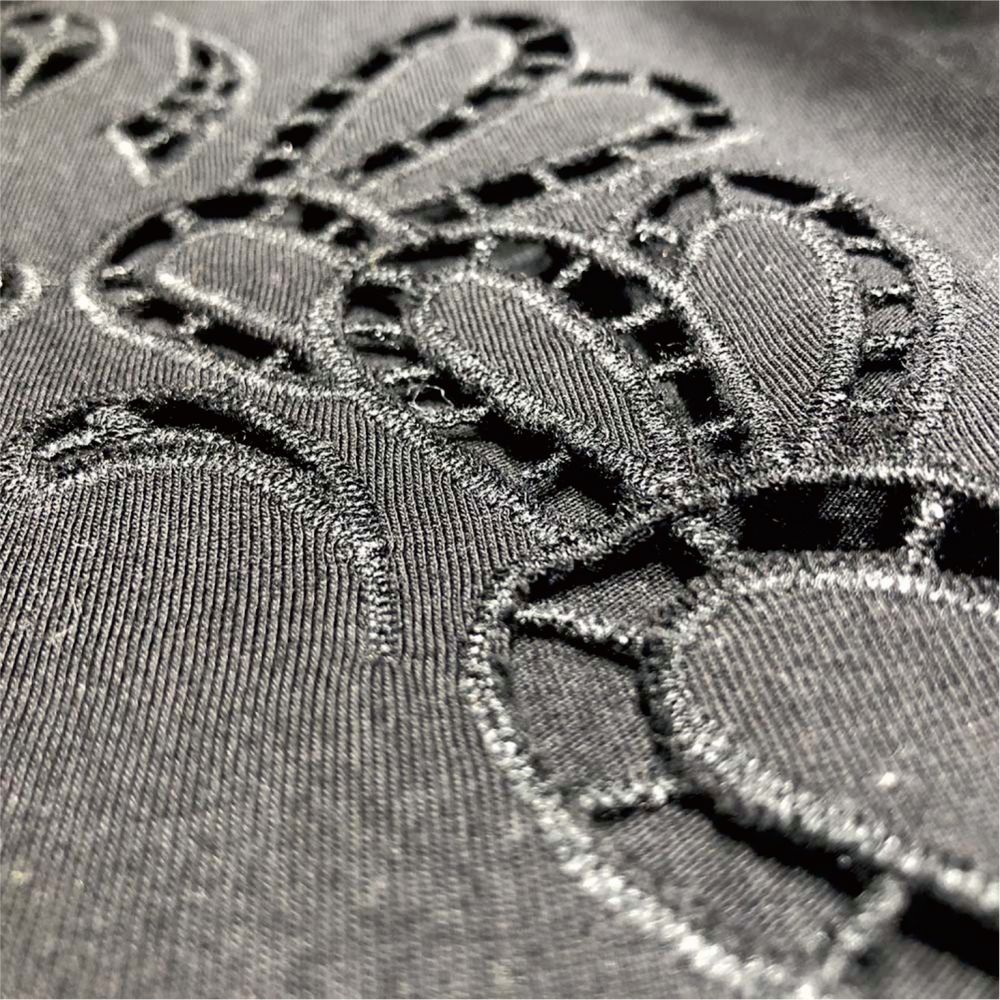
Tajima and Barudan multi-head systems executing flat, 3D foam (puff), towel (chenille), and sequined embroidery with automated thread-tension control.
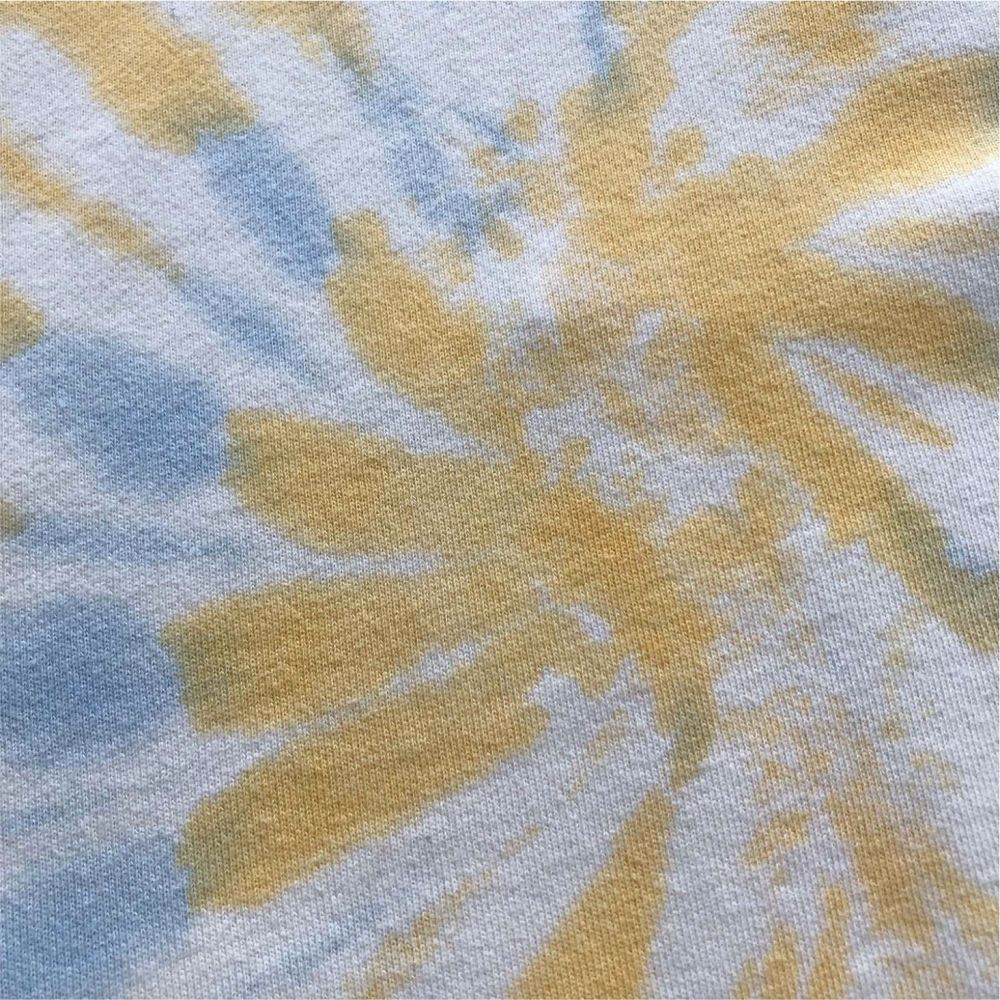
Includes enzyme washing, silicon softening, carbon-brushing, and anti-shrinkage processes to secure a premium structural starting base.
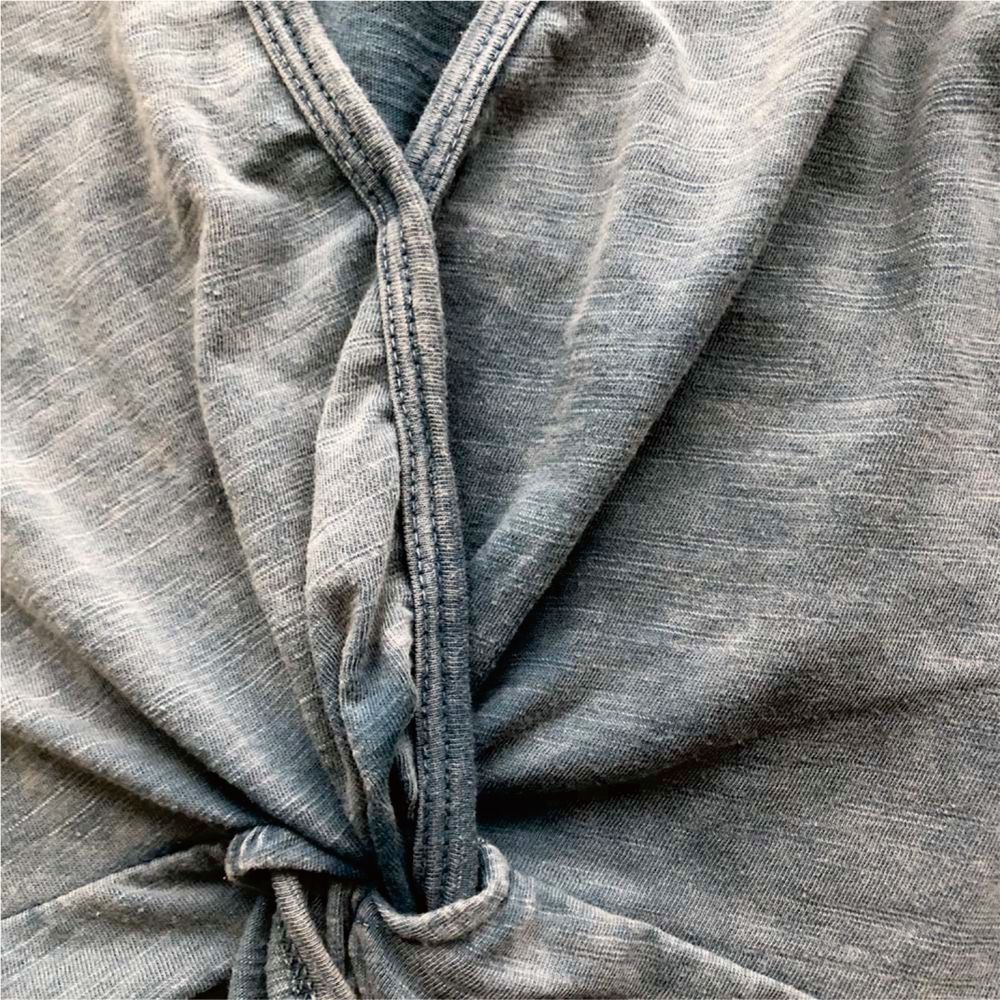
Garment dyeing, tie-dyeing, stone washing, and final quality control operations performed inside ISO-certified facilities prior to clean packaging.
Ningbo Jinmao delivers streamlined manufacturing pathways via dedicated OEM (Original Equipment Manufacturer) and ODM (Original Design Manufacturer) frameworks. This structure guarantees that both client-supplied designs and internally developed concepts are optimized for automated, cost-efficient bulk manufacturing.
Factory Infrastructure: We operate extensive manufacturing centers across Jiangxi, Anhui, Henan, and Zhejiang. Our ecosystem incorporates 30+ long-term partner factories, over 10,000 skilled garment workers, and 100+ active assembly lines certified by WARP, BSCI, Sedex, and Disney.
Quality Assurance Nodes: Regional QC offices perform inline audits during bulk cutting, stitching, and finishing. Fabrics are tested by third-party laboratories (SGS, BV, Intertek) for yarn weight, composition, print durability, and color fastness.
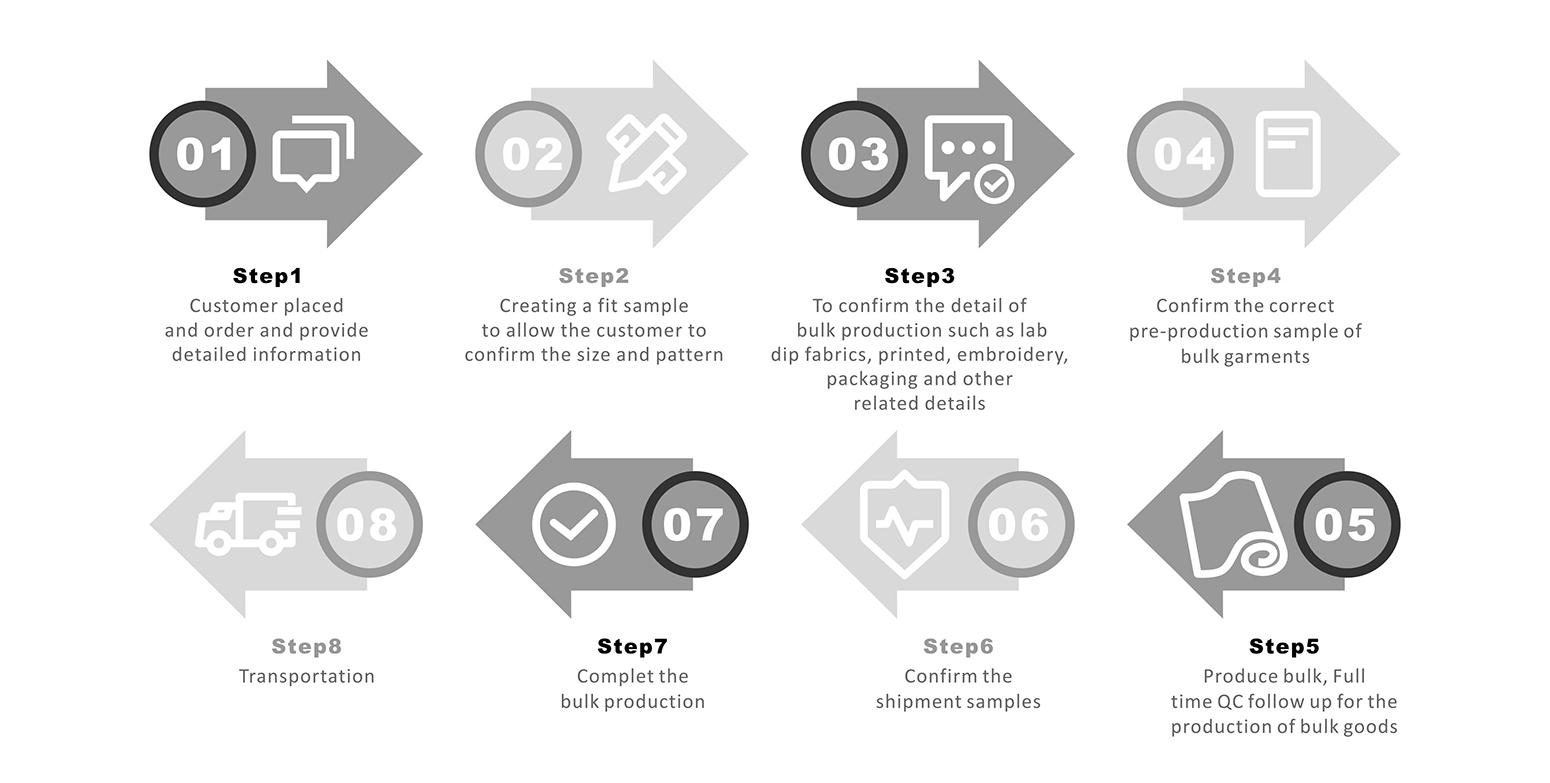
Concept-to-Reality Service: Our internal team turns sketches, digital CAD files, or product images into detailed physical mockups. We balance fabric selections, knit weights, and trim sourcing to conform directly to your brand's targeted retail positioning.
Rapid Prototyping: Pattern drafts are completed within 1 to 3 business days. First physical samples are stitched and dispatched for structural evaluation within 7 to 14 days, utilizing express couriers to minimize review wait times.
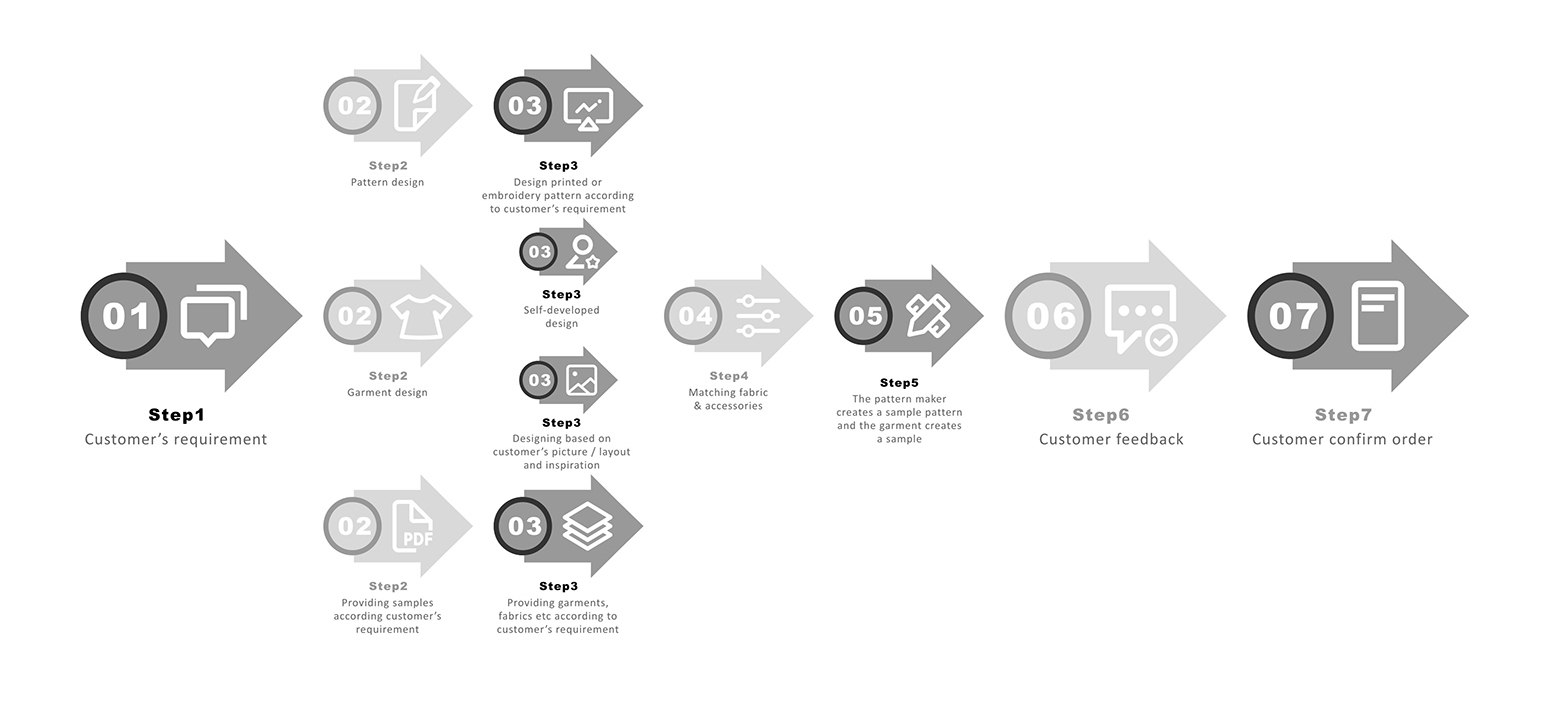
We minimize risk at every stage of the manufacturing timeline. By dividing the process into key development milestones, our clients maintain visibility over fabric sourcing, fitting checks, bulk production, and logistics.
Upon confirming order specifications, we build custom fit-samples using client-provided dimensions. Fit samples are manufactured to verify sizing structures, silhouette lines, and seam performance. Clients can examine these prototypes to finalize styling adjustments before initiating larger material purchases.
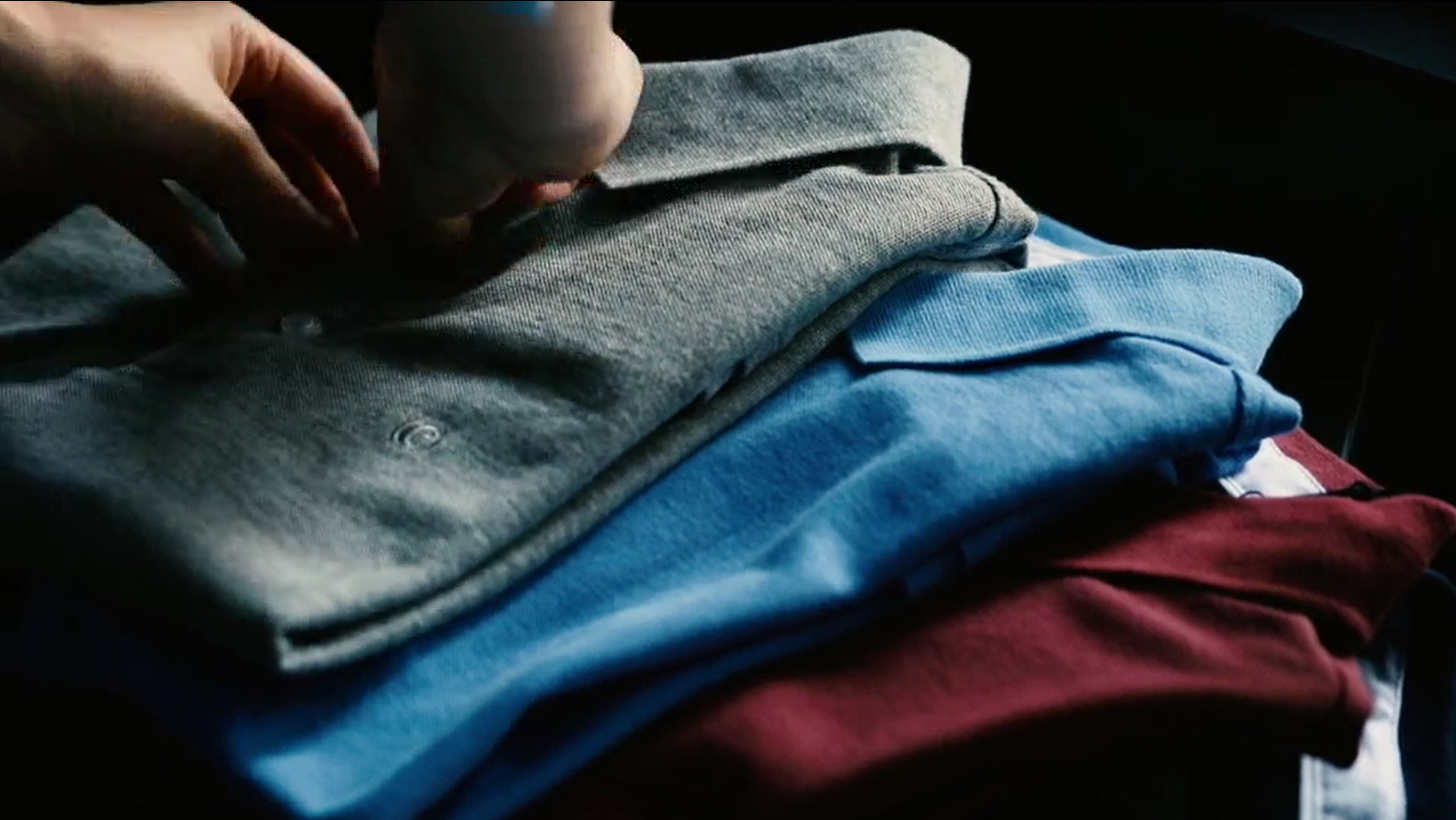
We review and finalize structural components, including lab dip yarn color matching under D65 standard light boxes, embroidery thread options, trim parameters, hangtag graphic layouts, and polybag specifications.

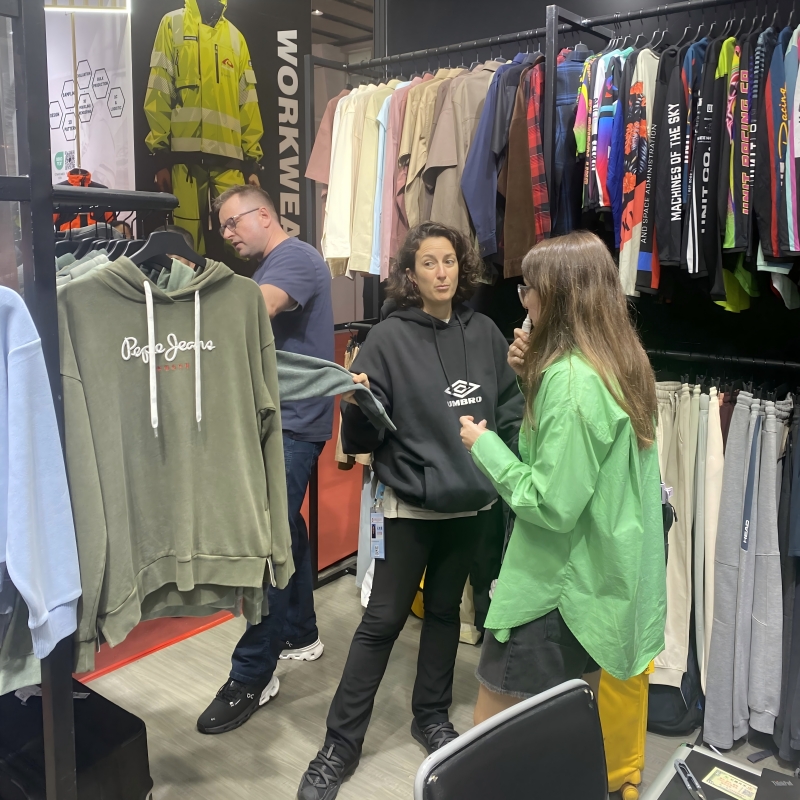
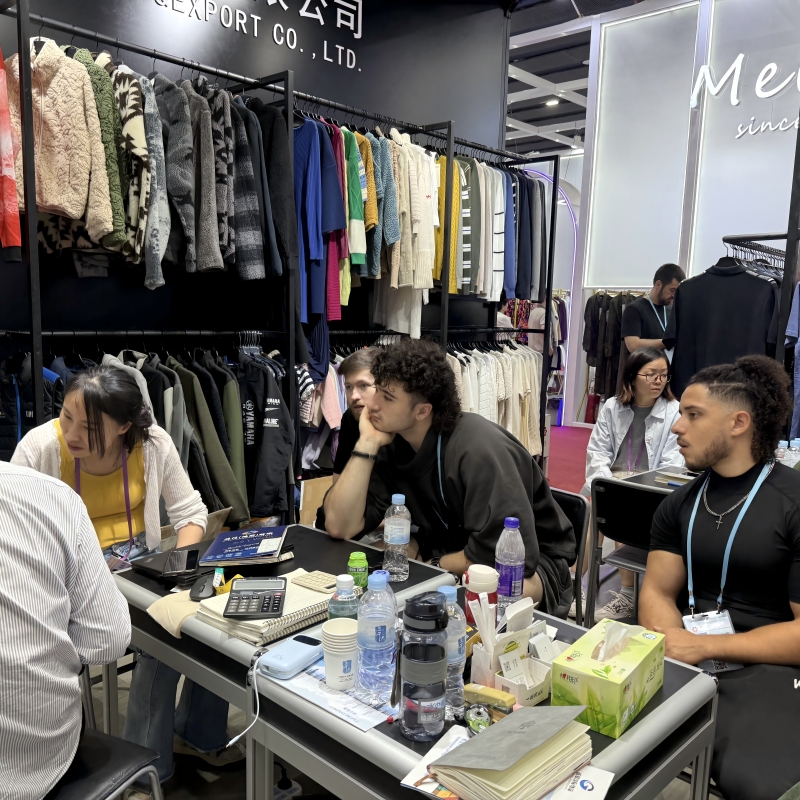
Prior to cutting bulk fabrics, we produce complete Pre-Production (PP) samples utilizing final bulk materials, branding accessories, and embroidery files. The PP sample serves as the binding production blueprint. Full-scale cutting and assembly begin only after the client approves this sample in writing.
With the PP sample confirmed, we initiate bulk cutting and sewing. Full-time QC auditors are stationed inline to check raw seams, embroidery stitch counts, alignment, and sizing stability.
Before shipping, random samples are drawn from the finished cargo to serve as Shipment Samples. These are sent to the client to confirm bulk quality, packing compliance, and labeling. Once approved, the goods are cleared for shipping via sea, air, or rail.
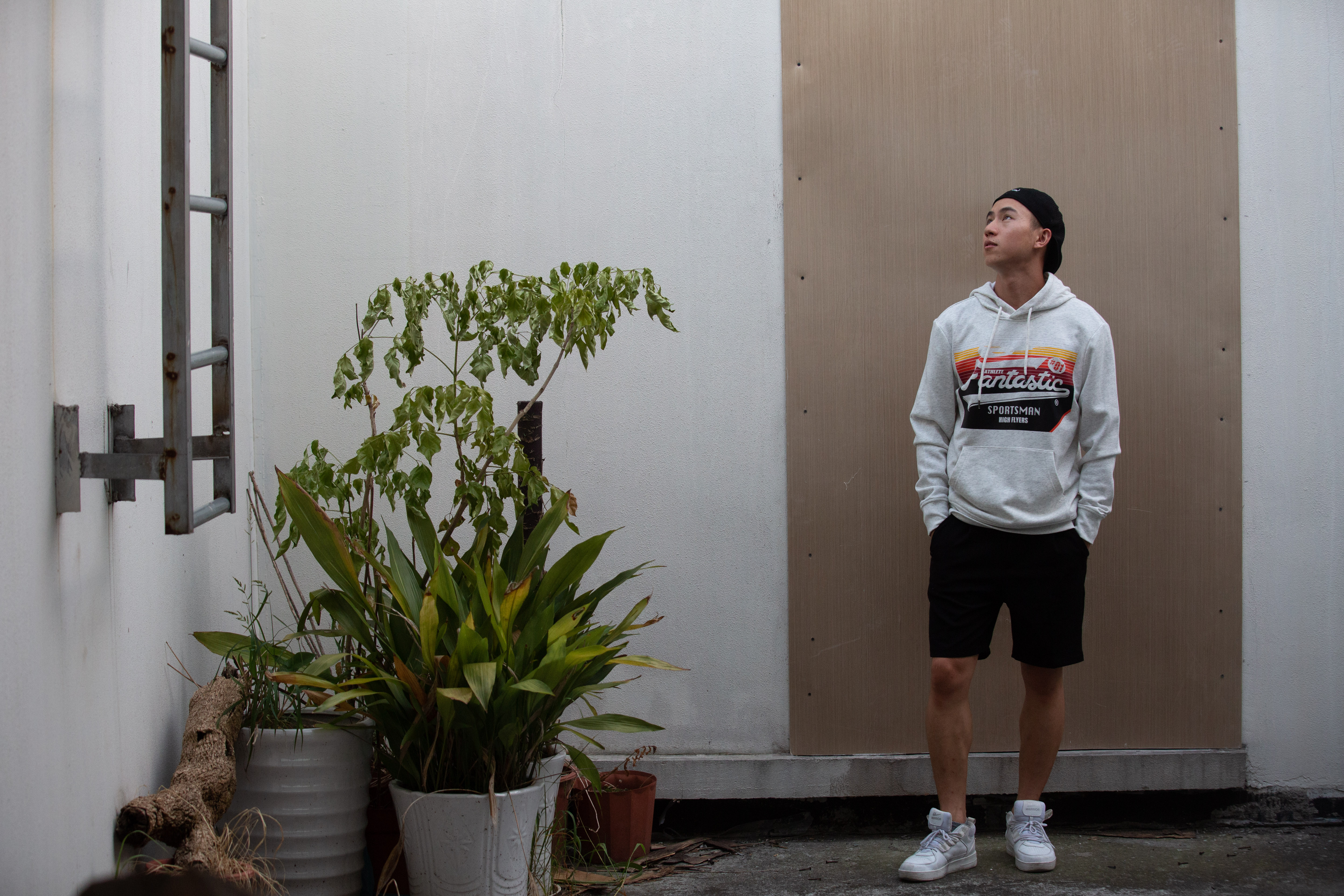
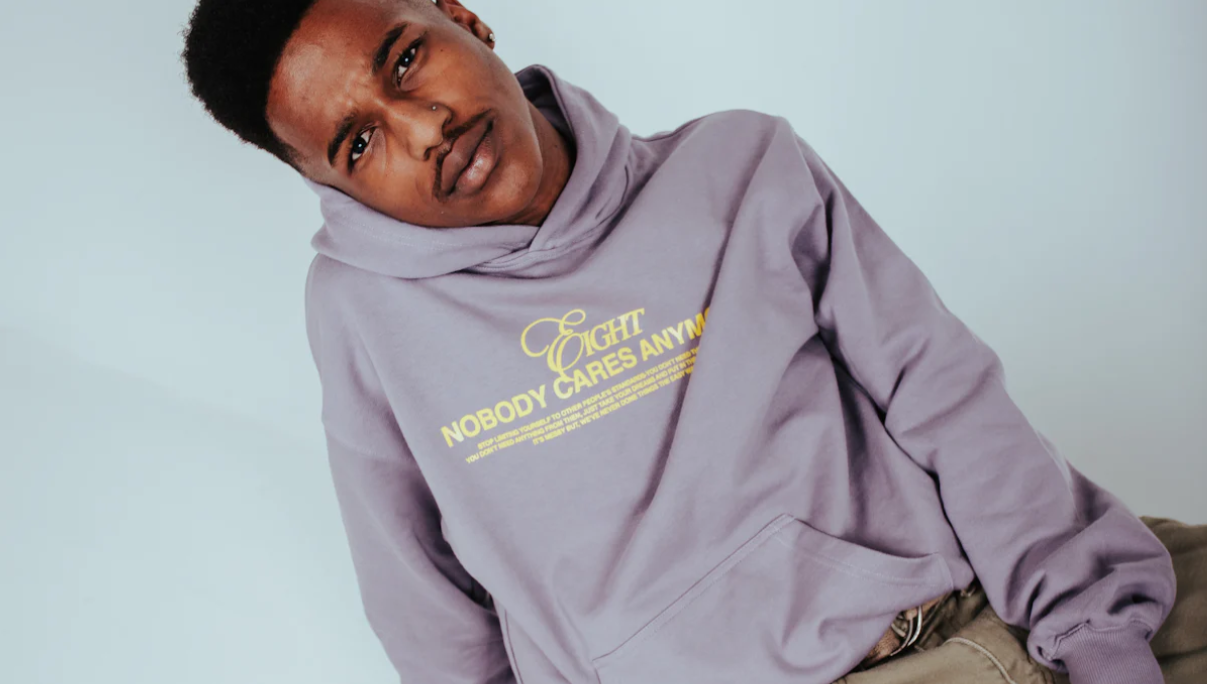

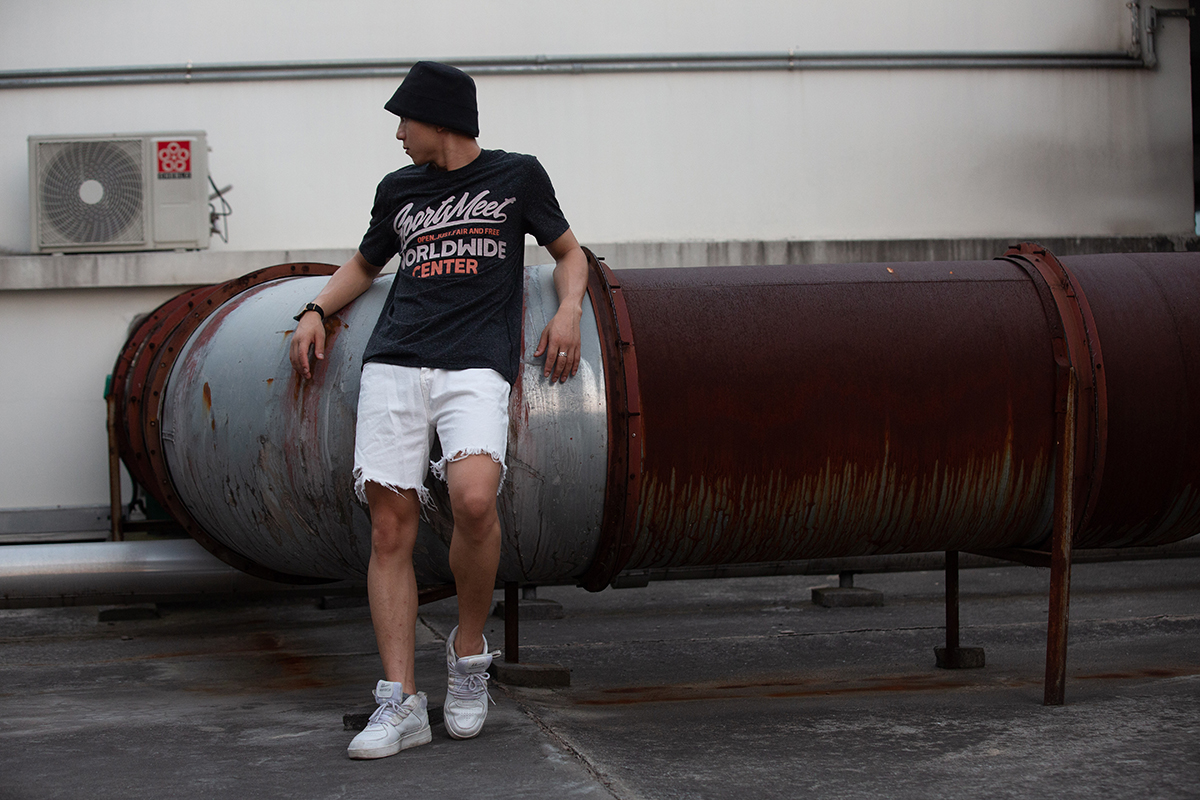


Volatile consumer markets require adaptable supply chains. Traditional bulk manufacturing models often require high minimum order quantities (MOQs) that tie up capital and increase inventory risk. Ningbo Jinmao solves this through a flexible ecosystem of specialized workshops, shared fabric pools, and integrated logistics.
By partnering with 30+ audited facilities, we dynamically allocate orders based on size and complexity. Large runs are routed to high-capacity facilities with multiple automated lines, while smaller runs go to smaller, agile workshops. This structure allows us to handle specialized designs without requiring prohibitive MOQs.
We partner with large yarn spinners and dye houses to maintain rolls of standard greige fabrics. If a custom order is below standard fabric production MOQs, we can offer similar pre-certified fabrics (e.g. BCI cotton, Oeko-Tex polyester, organic cotton) to keep development moving forward.
Ningbo Jinmao is upgrading its production processes to meet shifting global compliance and design requirements. Over the next five years, our technology roadmap focuses on circular material sourcing, digital design workflows, and carbon footprint reduction:
Transitioning our core knit products to recycled fibers (such as GRS-certified post-consumer polyester and recycled cotton blends) and eco-friendly cellulosics like Lenzing Modal.
Integrating 3D CAD draping and virtual fitting software to simulate embroidery patterns on garments before sewing, reducing physical prototype waste.
Partnering with dye houses that utilize closed-loop water systems and low-temperature dyes, cutting wastewater output and reducing energy usage.
We maintain long-term production and trade partnerships built on transparency, quality, and mutual benefit. Our partner facilities are regularly audited to ensure compliance with global social responsibility and environmental safety standards.


Answers to common questions regarding our sourcing, manufacturing, and compliance protocols.
 Jinmao