Two Decades of Manufacturing Integrity, Green Initiatives, and Global Trade Management
Founded in the year of 2000, Ningbo Jinmao Import & Export Co., Ltd. has established itself as an institutional leader in the garment manufacturing and export industry. After more than 20 years of relentless efforts and experiences navigated through market challenges and global adversities, our corporation realizes an annual turnover exceeding thirty million U.S. dollars ($30,000,000+).
As a leading textile and garment enterprise situated in the global maritime hub of Ningbo, China, we operate with a profound consciousness towards environmental footprinting and carbon offsets. Our integrated quality and ecological management operations strictly adhere to international frameworks, holding official system certifications of ISO9001:2015 (Quality Management) and ISO14001:2015 (Environmental Management).
With a core management and technical team comprising more than 50 highly specialized professionals, our capabilities span across men’s, ladies’, and children's wear. Supported by independent pattern-making chambers, design centers, and highly technical merchandisers, we execute intricate knitting and thin woven style developments at institutional speeds.
Analyzing the Structural Transition from Casual Athleticism to High-Performance Luxury Wear
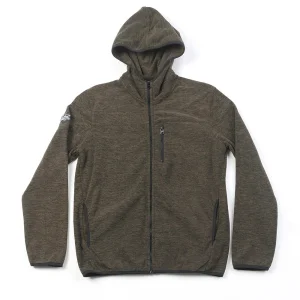
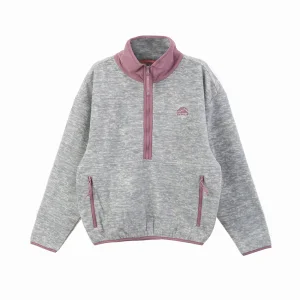
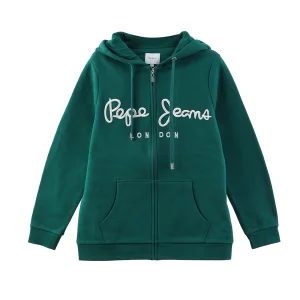
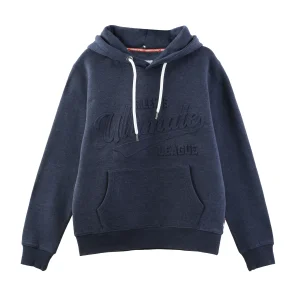
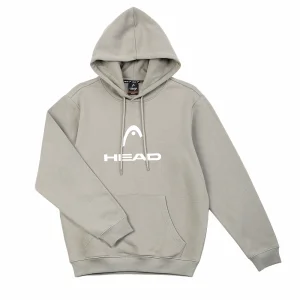
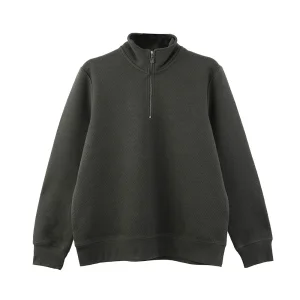
The global demand for the Oversized Fleece Sweatshirt has transcended fast-fashion subcultures to become a dominant vertical in the apparel sector. As sportswear and casualwear converge, brands require manufacturers capable of engineering garments that balance high bulk, aesthetic drape, structural durability, and low pilling metrics. Ningbo Jinmao operates at this critical intersection, aligning engineered raw fabrics with precise cut-and-sew dynamics.
Oversized apparel requires controlled weight management (typically ranging from 320 to 480 GSM). Standard knit structures easily stretch and lose shape; therefore, we implement heavy-knit French Terry, loop-back, and double-brushed finishes to preserve three-dimensional body structure and comfort.
In line with green apparel shifts, we source Global Recycled Standard (GRS) certified polyester, Better Cotton Initiative (BCI) organic cotton, and Lenzing Modal. Our raw material profiles minimize microplastic shedding and guarantee low formaldehydes.
Using CAD systems, we adjust drop-shoulder seam lines, sleeve circumferences, and rib tensioning. This prevents oversized designs from feeling excessively heavy or looking bulky on diverse body profiles.
Leveraging specialized textile weave patterns and raw-fiber technology to maximize tactile comfort and durability
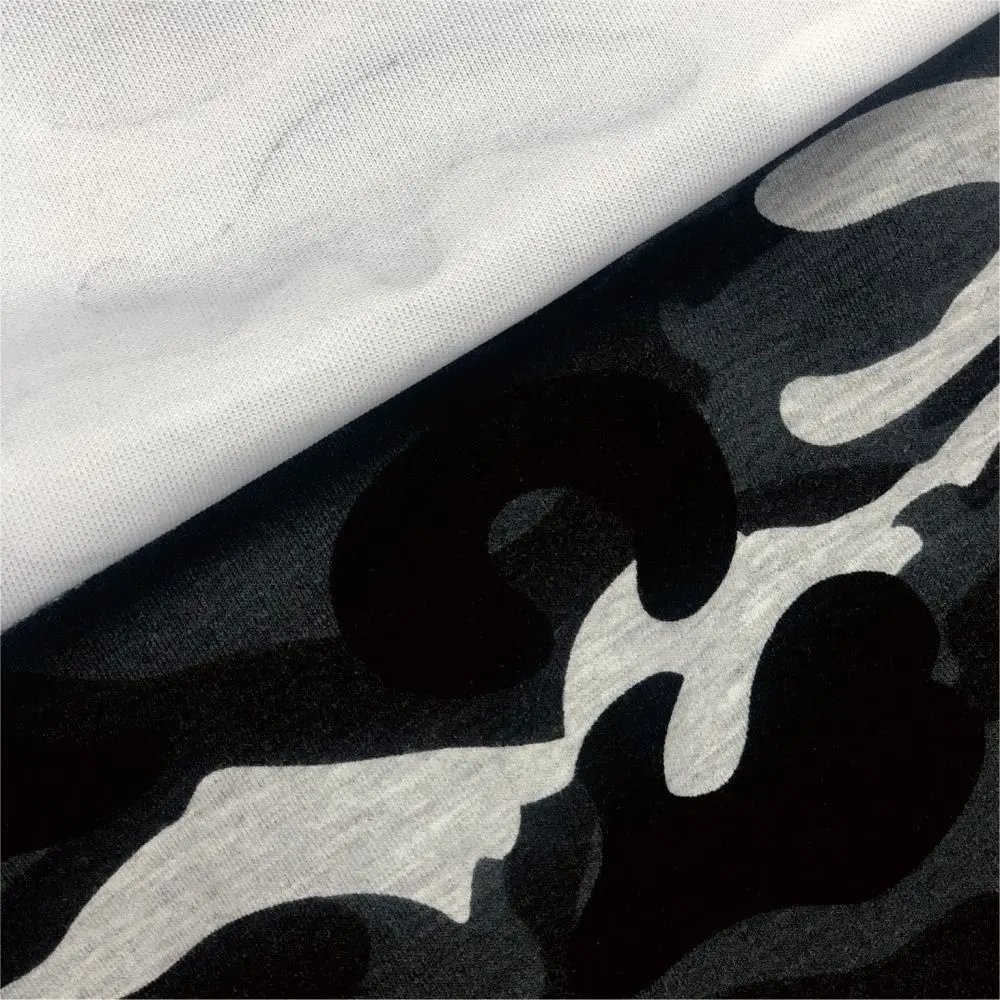
A double-knit fabric that features a smooth, structured drape, perfect for modern architectural techwear silhouettes.
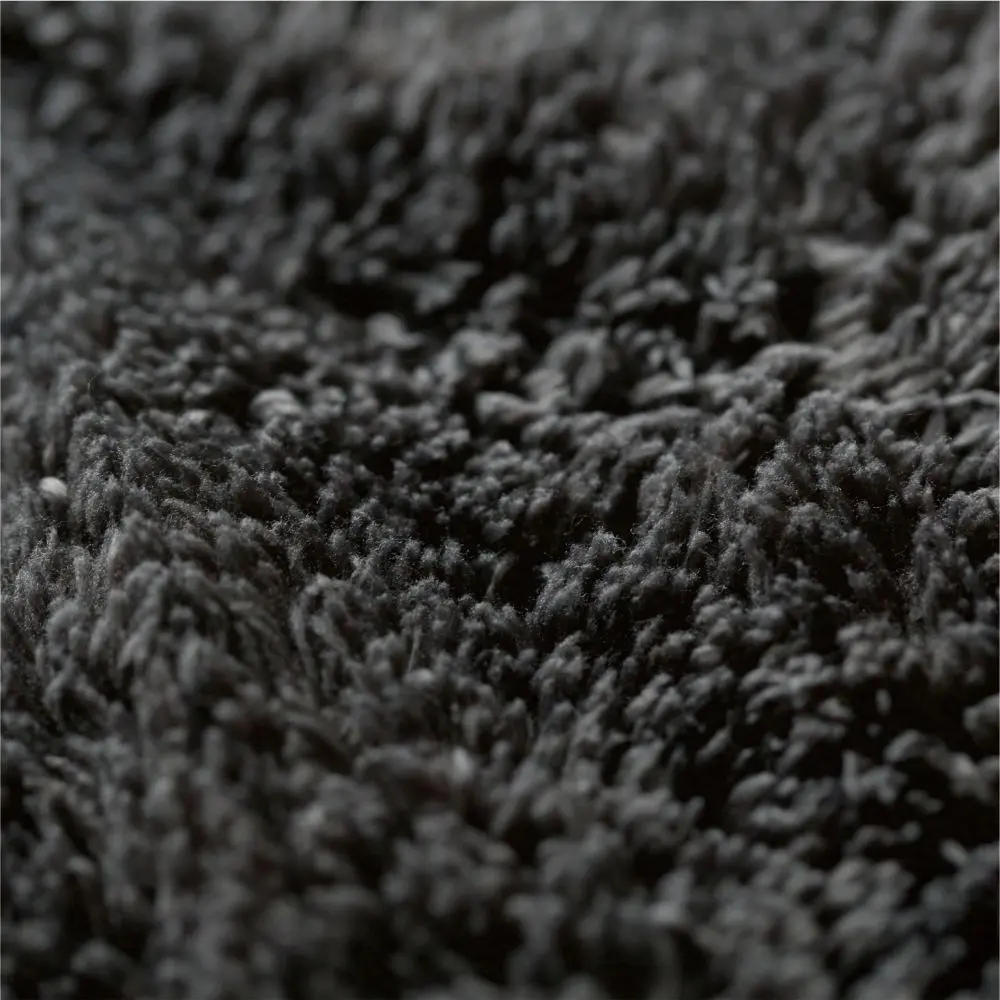
High-pile insulation options that simulate sheep's wool feel, offering extreme warmth and windbreak protection.
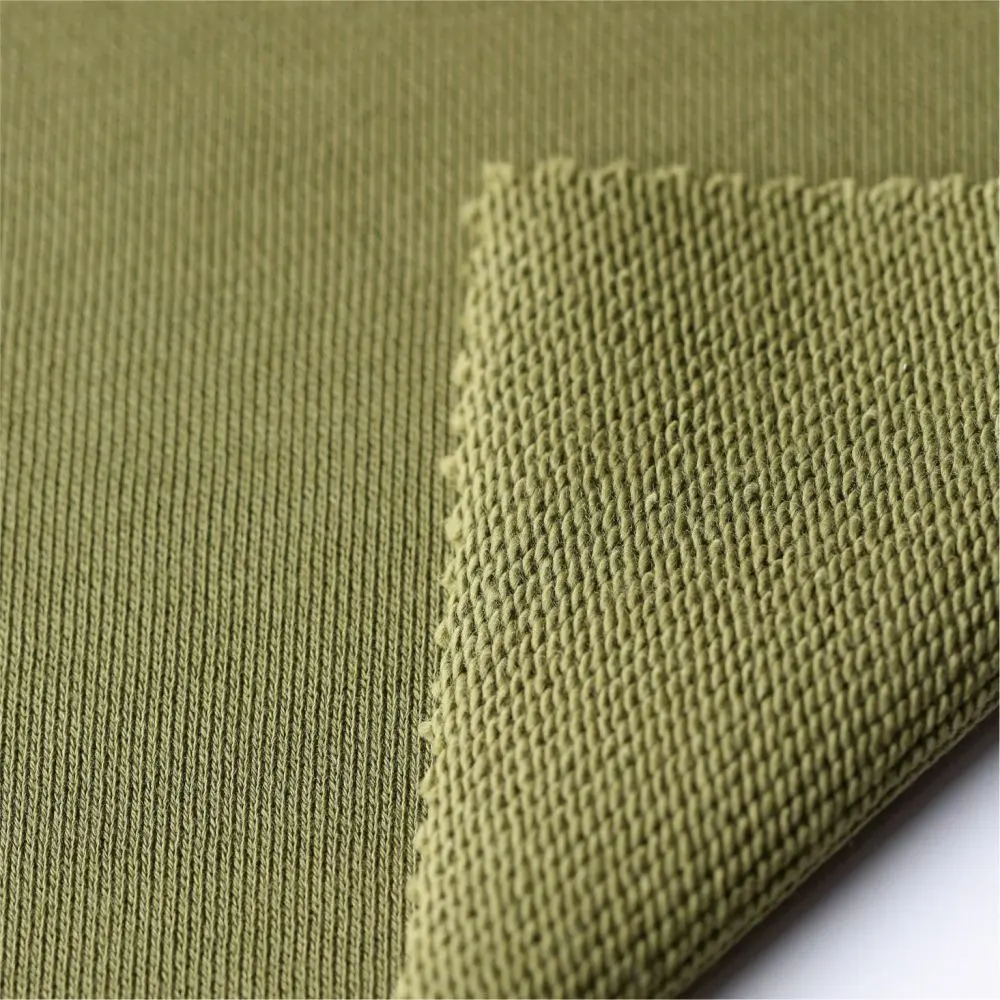
Traditional loop-back and brushed options that optimize interior softness and enhance moisture transport.
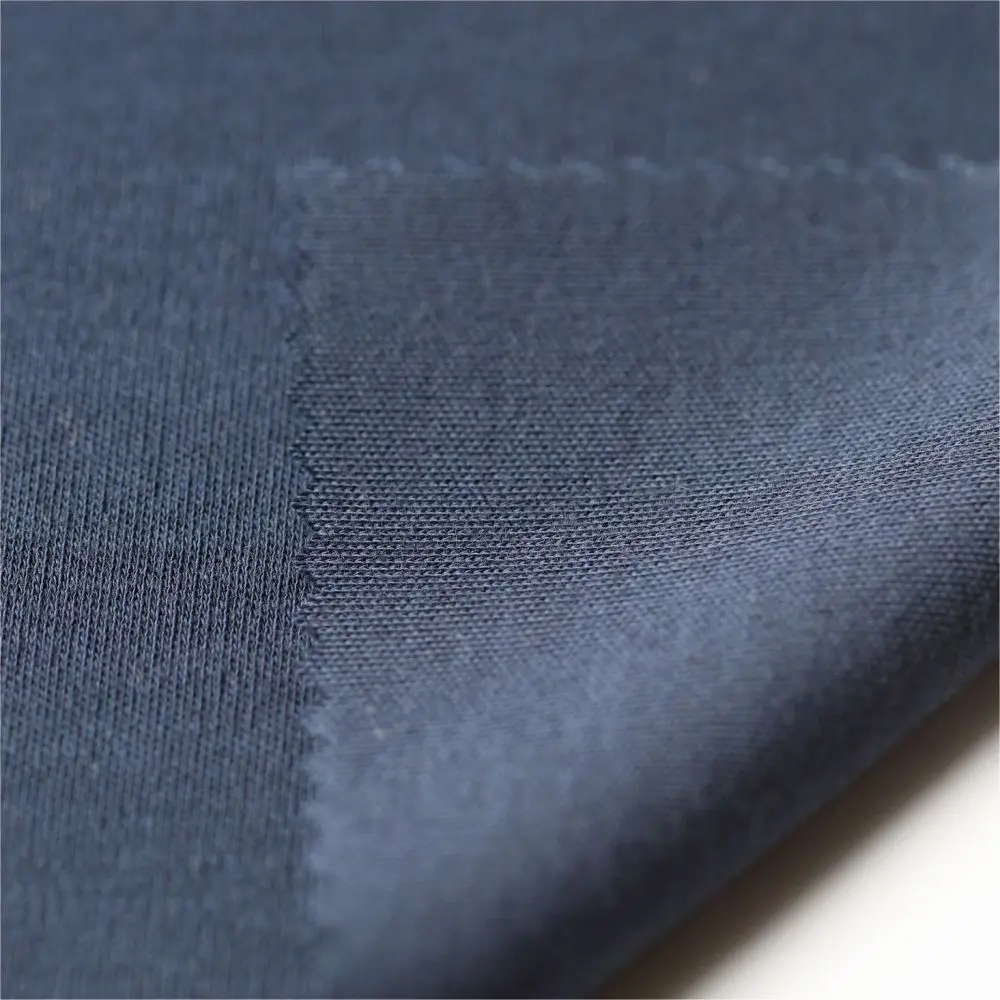
A firm, premium double-knit fabric that provides a smooth finish on both sides, ensuring clean structural lines.
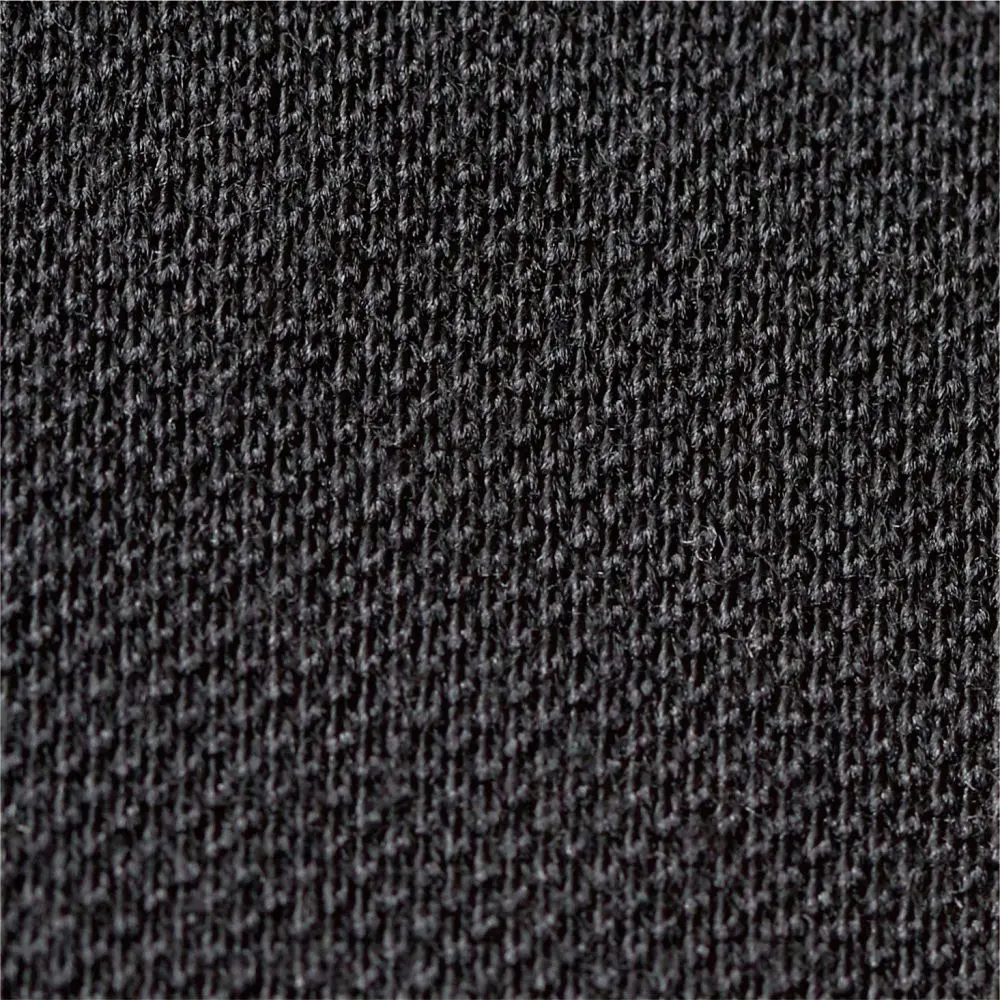
Features a parallel corded or geometric texture, commonly utilized to add structure and breathability to hybrid garments.
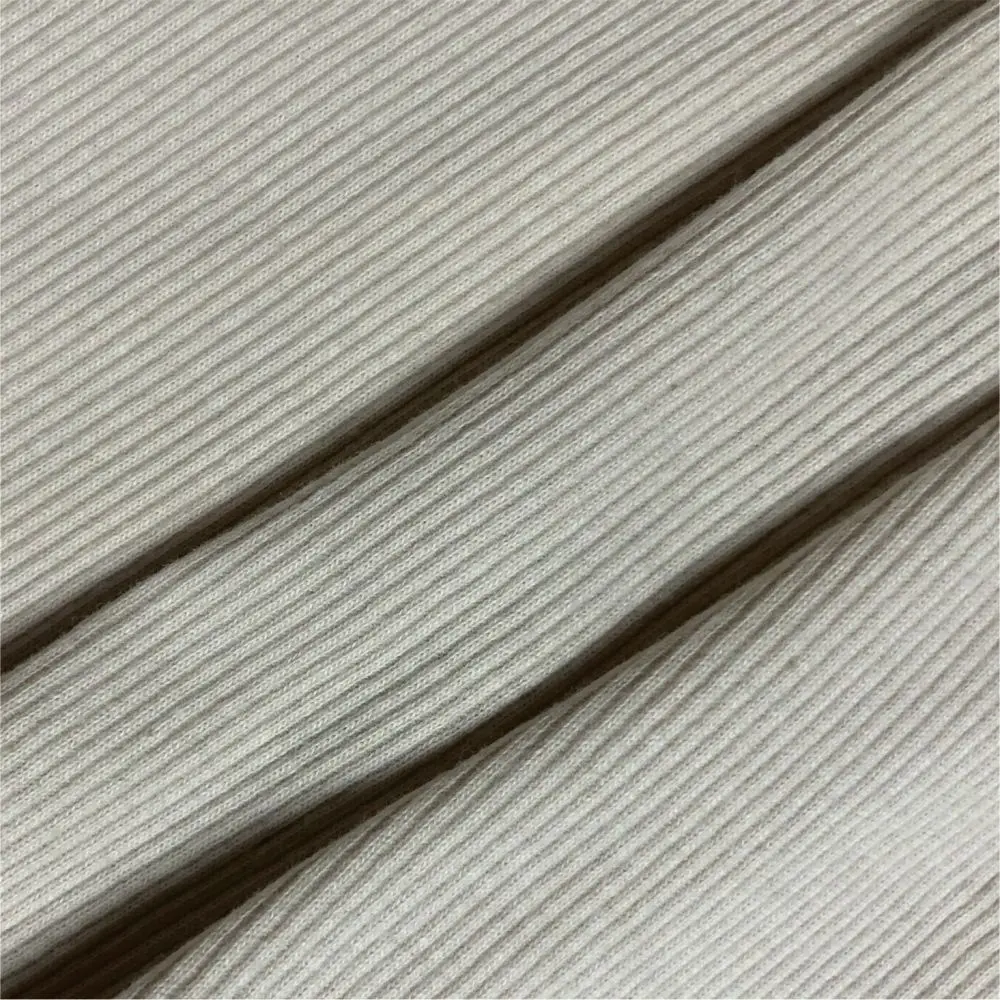
High-elasticity rib fabrics used for cuffs, necklines, and hem borders, ensuring shape retention over repeated washings.
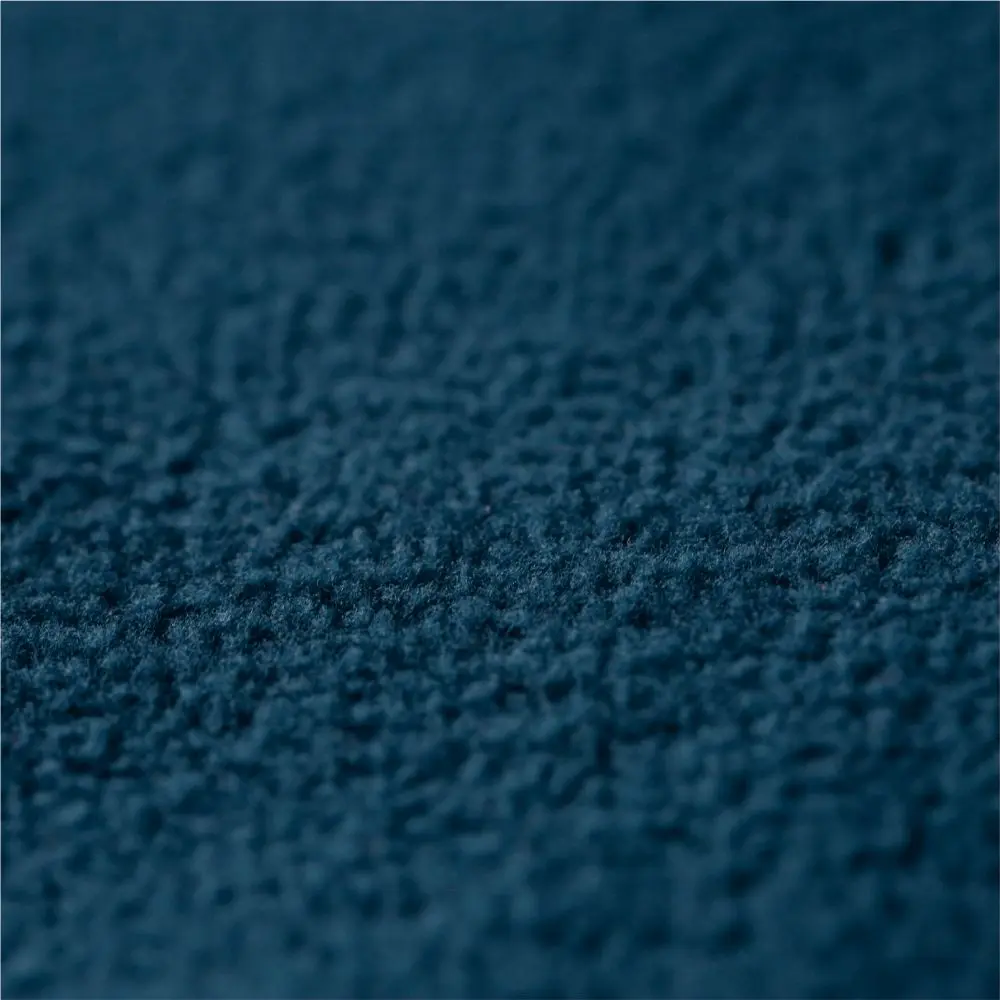
A lightweight, hydrophobic insulating fleece that offers high warmth-to-weight performance for outdoor sportswear.
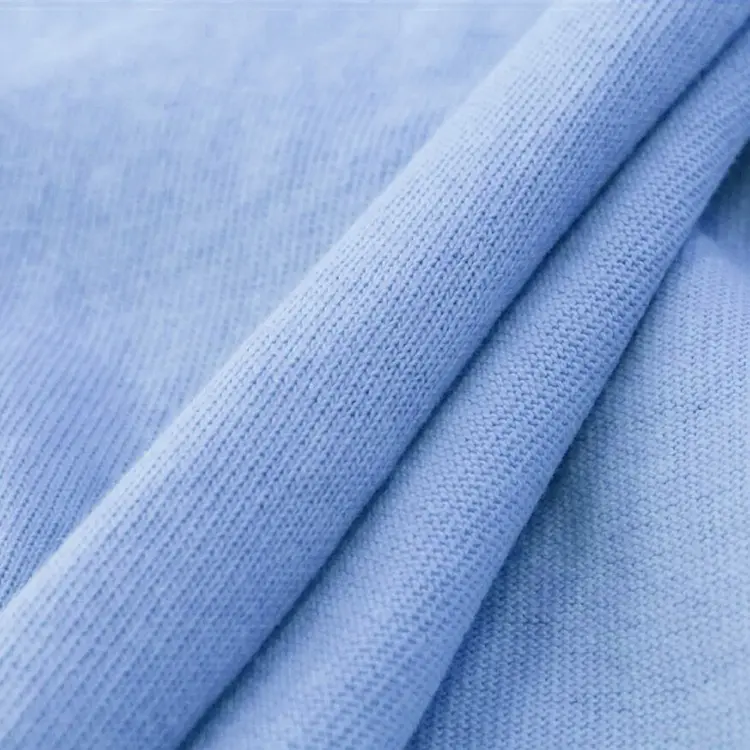
Soft, lightweight cotton and synthetic blends designed for lining oversized hoods or producing lightweight knitwear layers.
Applying state-of-the-art print engineering, 3D embroidery, and specialized post-processing techniques to build unique brand identities
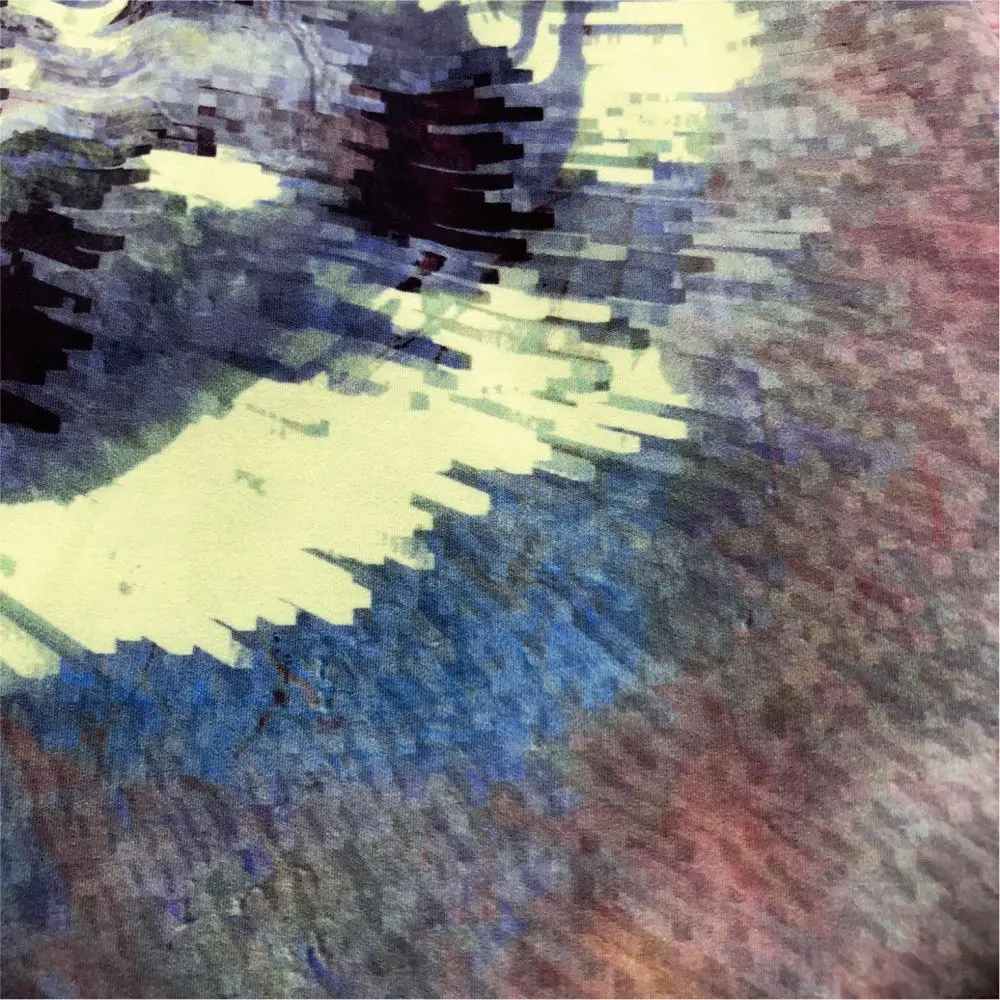
Supports high-resolution graphics and complex multi-color designs, achieving sharp, photo-realistic outputs directly on cotton or poly-blended fleece.

Replaces fabric dye pigments with design colors, yielding an ultra-soft print that feels completely integrated into the garment, with zero plastic feel.
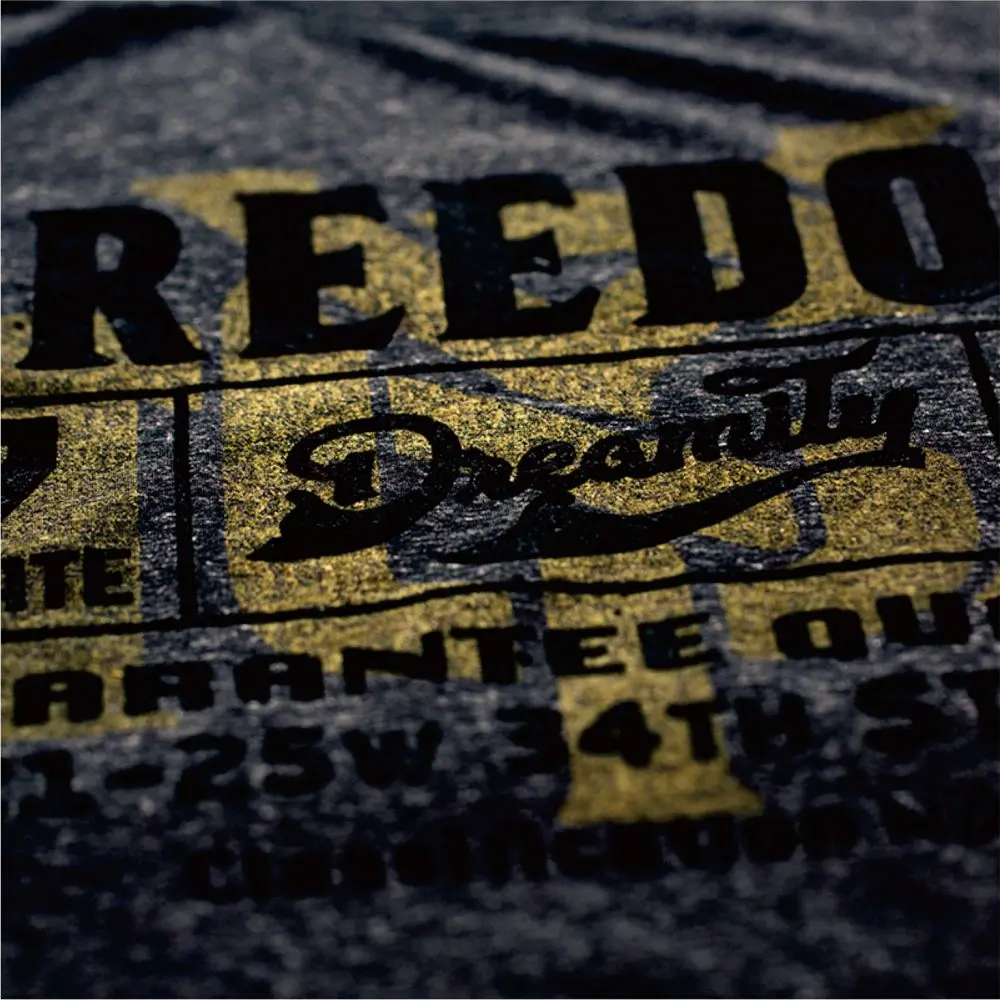
Utilizes short fibers applied under electrostatic fields to create a raised, velvet-like texture, perfect for vintage varsity-style branding.
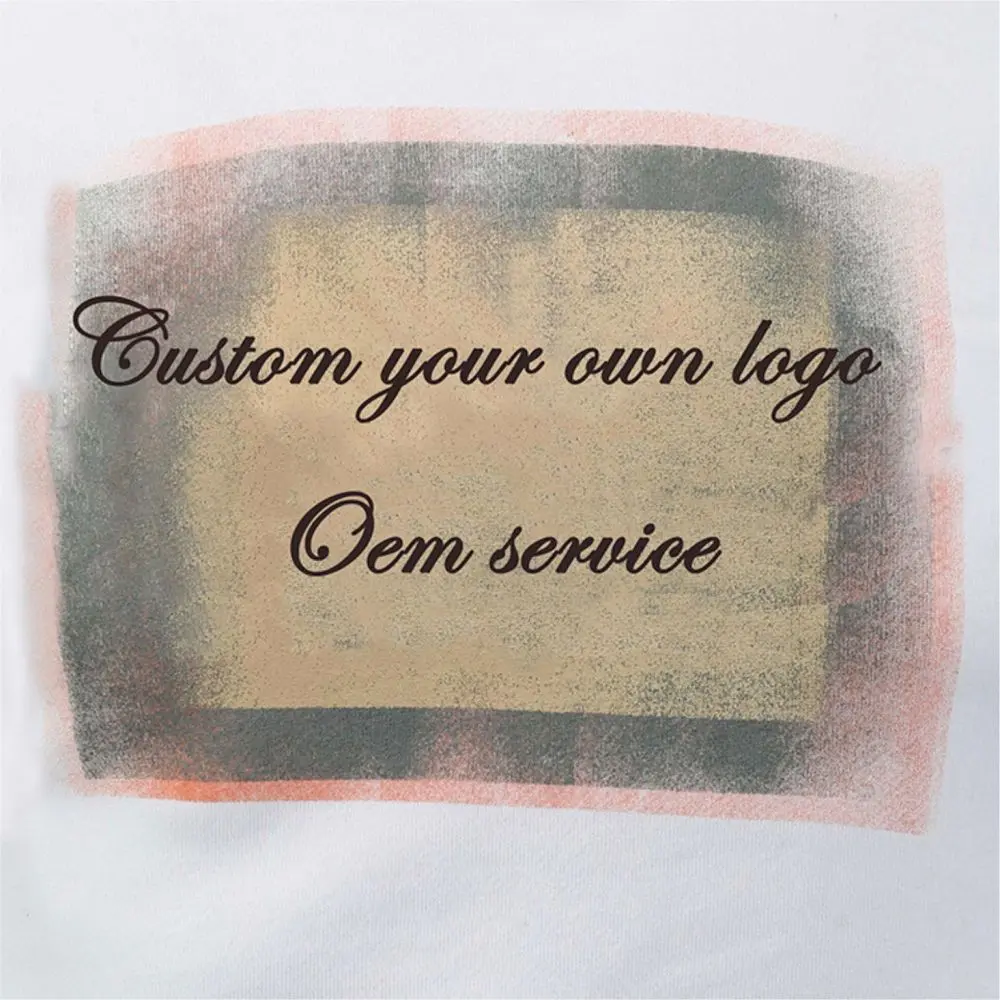
An eco-friendly ink solution that penetrates fibers deeply for high breathability, outstanding wash durability, and zero hand-feel texture.
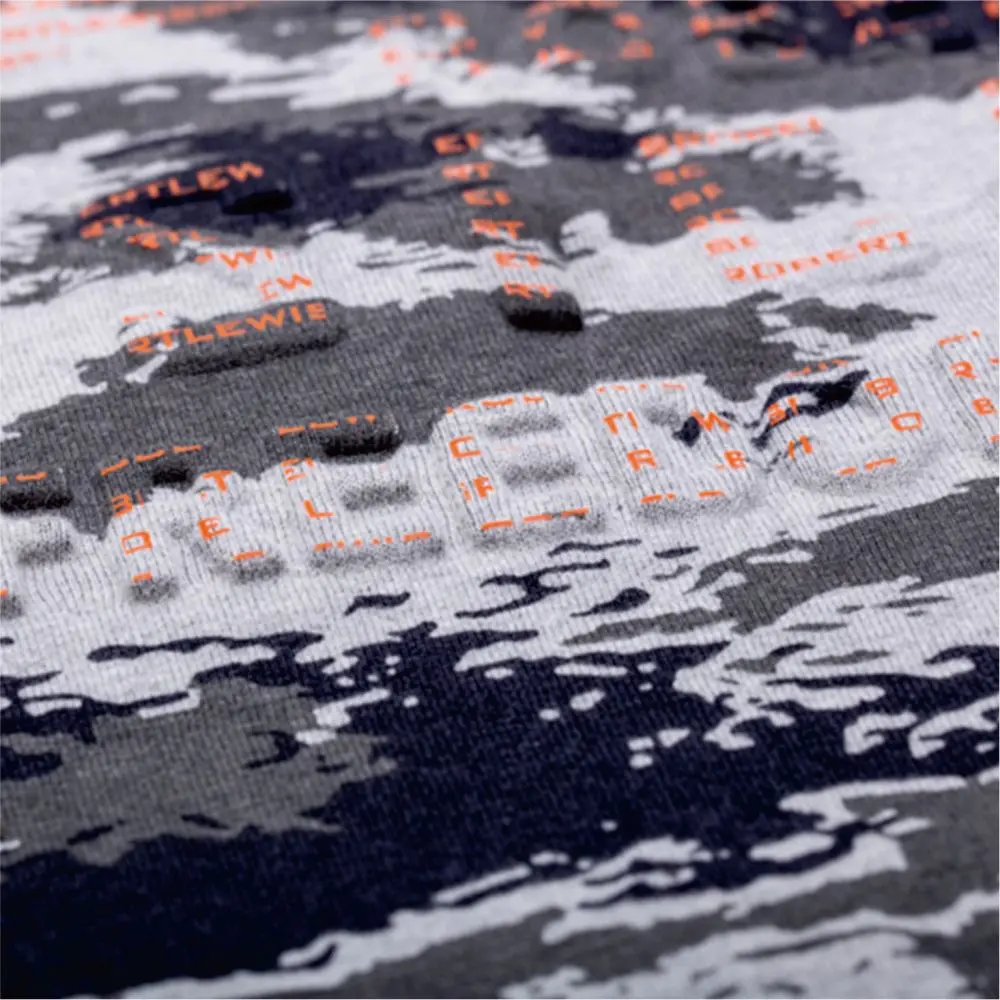
Uses precision high-temperature molding plates to press three-dimensional logos directly into the fleece, creating a clean look.
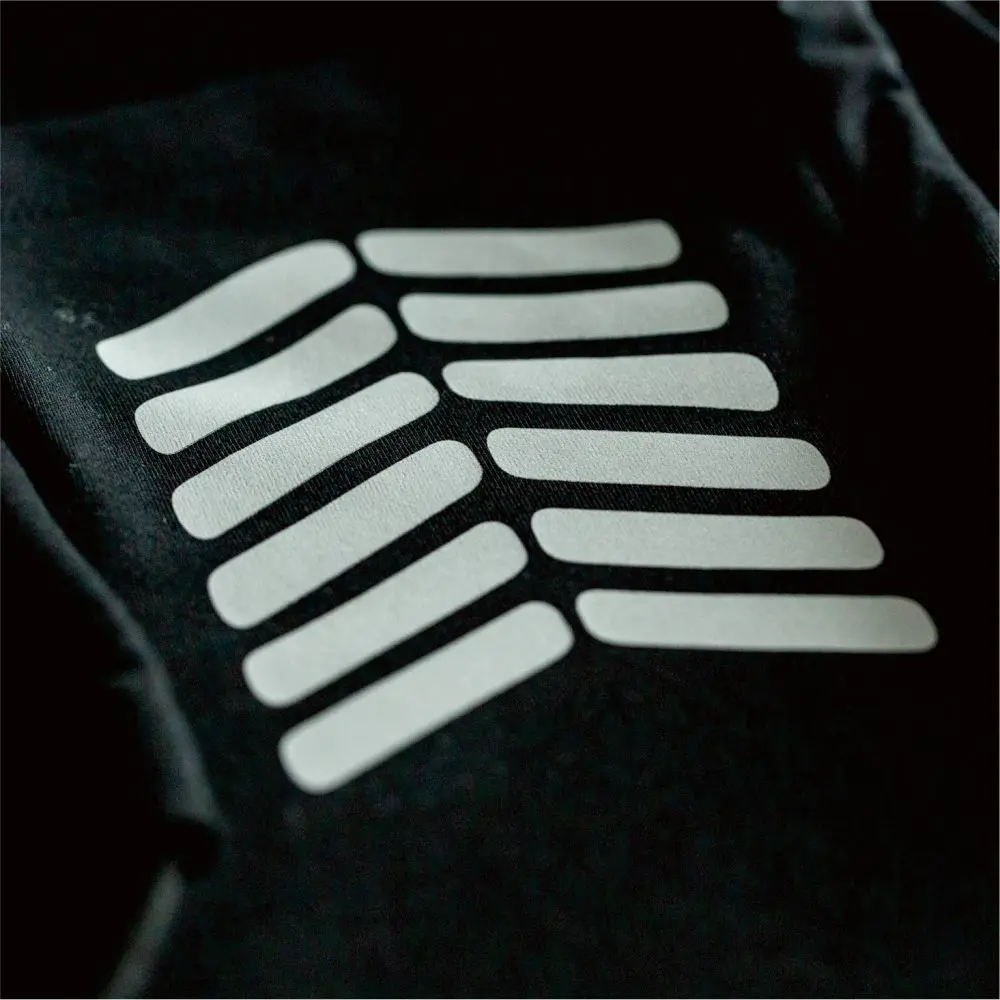
Incorporates high-reflectivity pigments that react under UV light, making it ideal for safety gear or eye-catching streetwear.
Operational Capabilities: From Design Concept to Scale Production and Multi-regional Delivery
Ningbo Jinmao delivers scale production operations based on provided garment specifications. With production bases spanning across Jiangxi, Anhui, Henan, Zhejiang, and other provinces, we manage 30+ highly cooperative factories, over 10,000 skilled workers, and more than 100 automated production lines. We export 10 million pieces of ready-to-wear garments annually. Our production facilities hold certifications from WARP, BSCI, Sedex, and Disney.
We operate dedicated QA/QC stations in every manufacturing district, generating real-time quality appraisal reports. Fabric inputs are validated through third-party lab testing partners (such as SGS and BV Lab), verifying component ratios, fabric weights, color fastness, and tear strength.
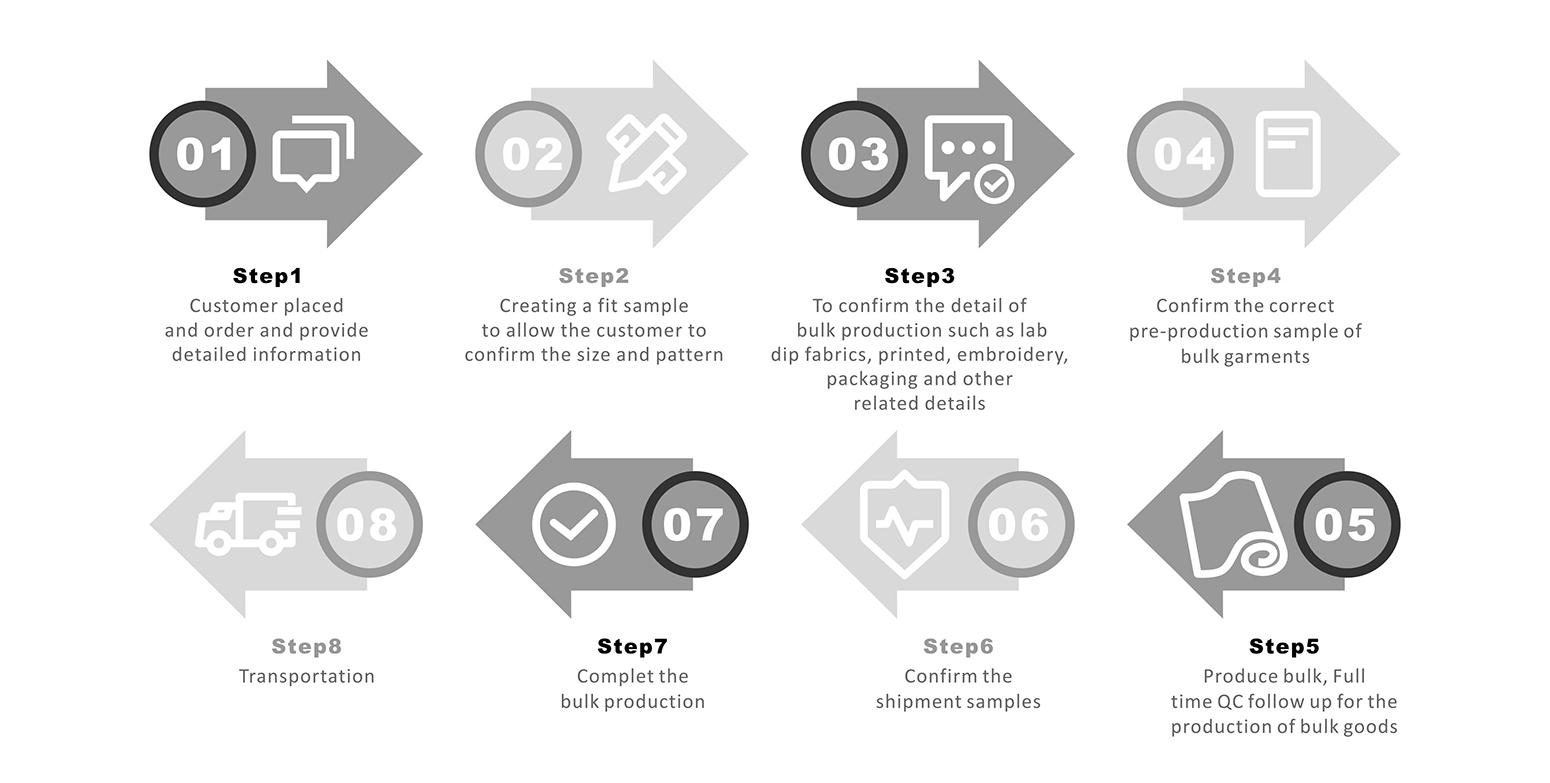
For brands seeking style development assistance, our specialized design team translates conceptual photos, sketches, and design sheets into retail-ready apparel. Backed by pattern engineers with an average of 20 years of experience, we produce precise CAD paper patterns within 1 to 3 days and complete initial sample garments in 7 to 14 days.
Whether optimizing raw materials to fit cost targets or integrating functional trims and accessories, our merchandisers ensure designs match brand aesthetic guidelines. We support rapid development to minimize style iteration delays and accelerate market introduction cycles.
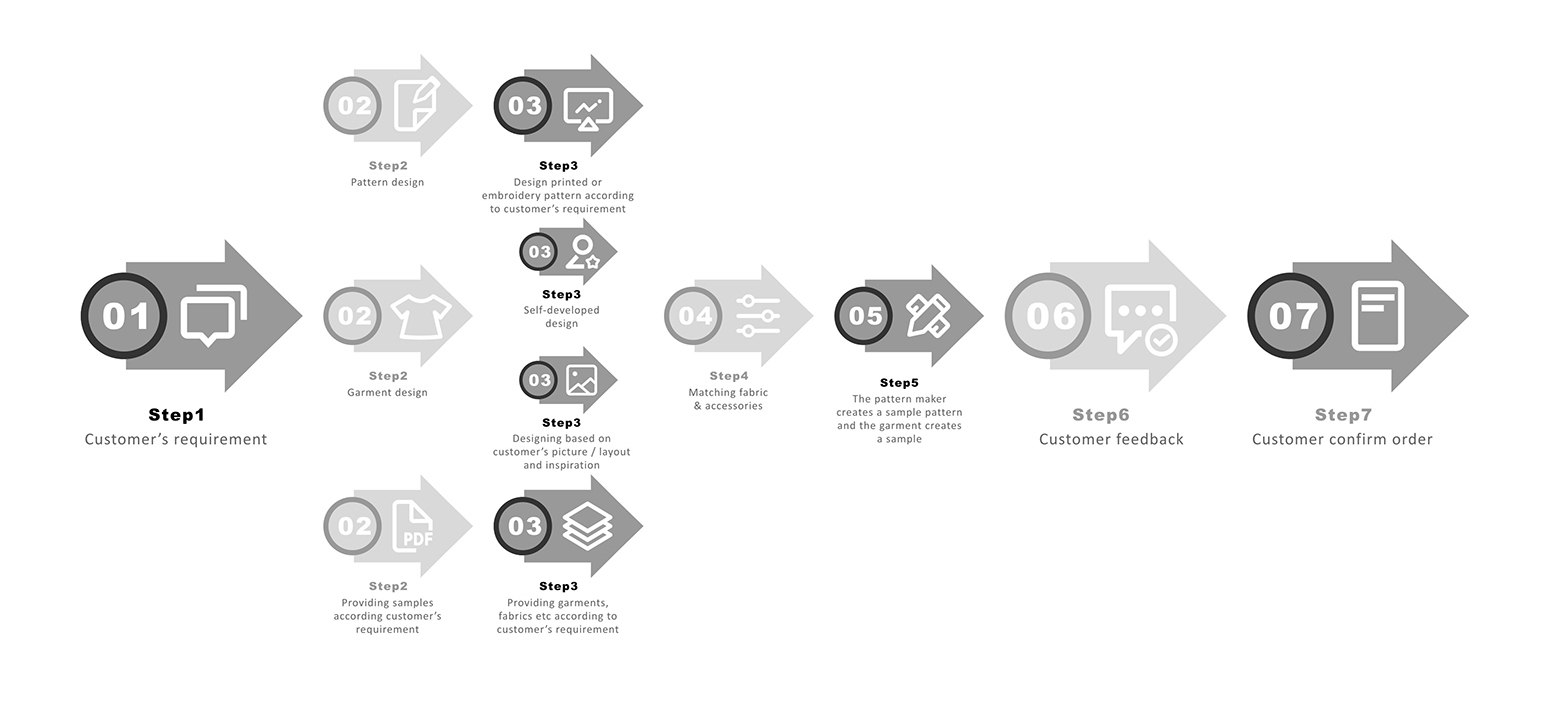
A rigorous, multi-stage inspection flow designed to ensure zero defect delivery for global shipments
We generate fit samples using targeted fabrics and size charts to verify drape, pattern alignment, and physical dimensions. This stage allows clients to approve sizing before proceeding to material cutting.
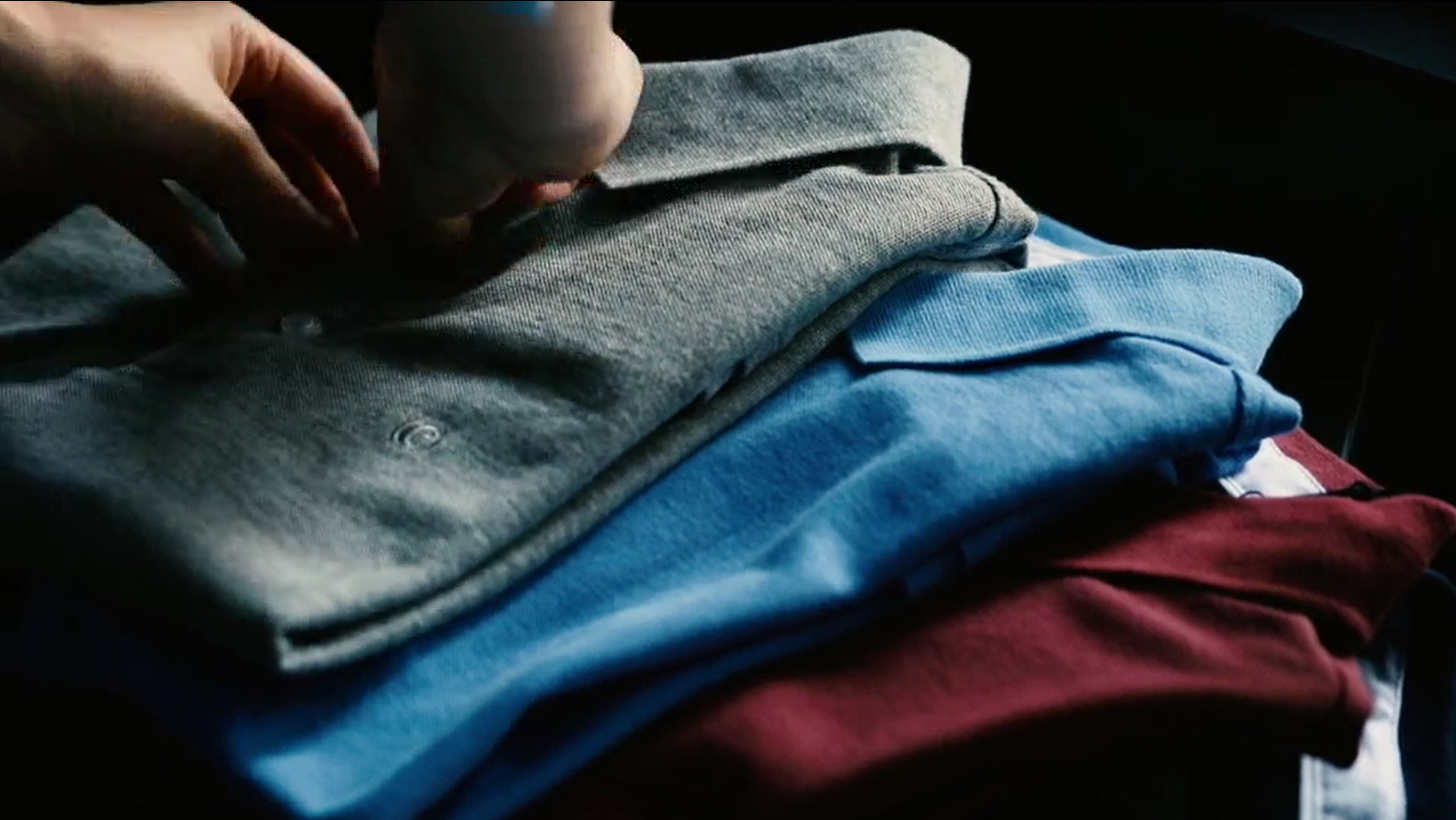
We coordinate lab dips, dynamic print strikes, embroidery runs, care labeling, and structural packaging parameters to align production details with design specifications.

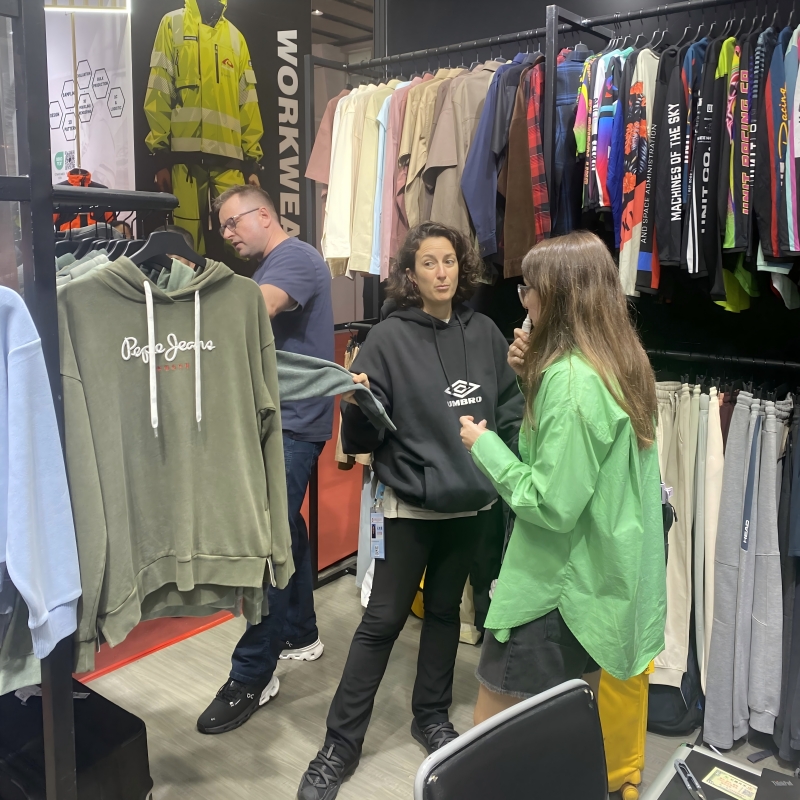
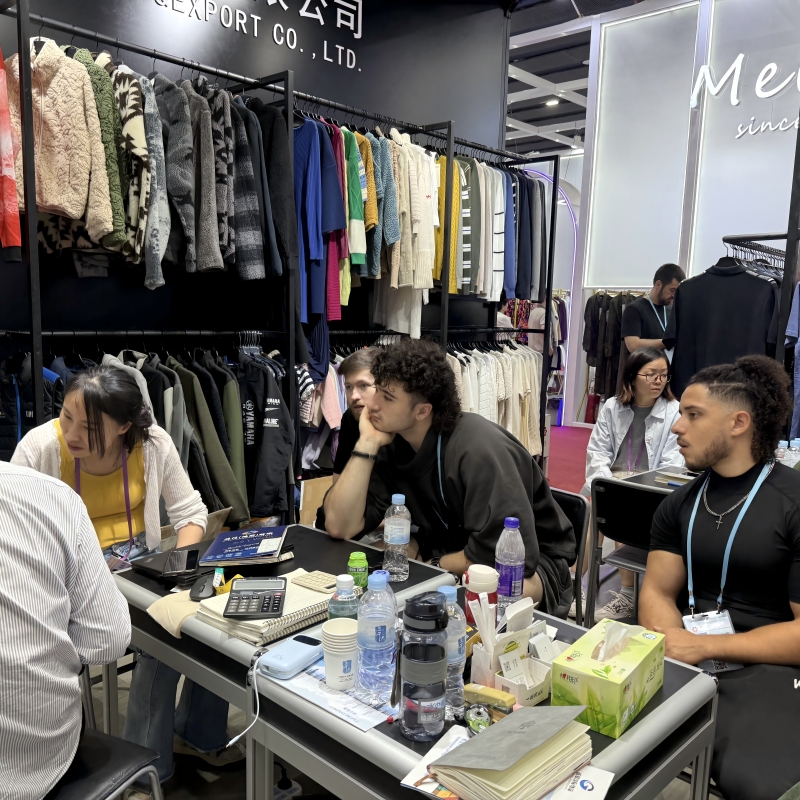
Before launching bulk production, we assemble a final PP sample using bulk fabric and final trims. This approved sample serves as the production line's manufacturing blueprint.
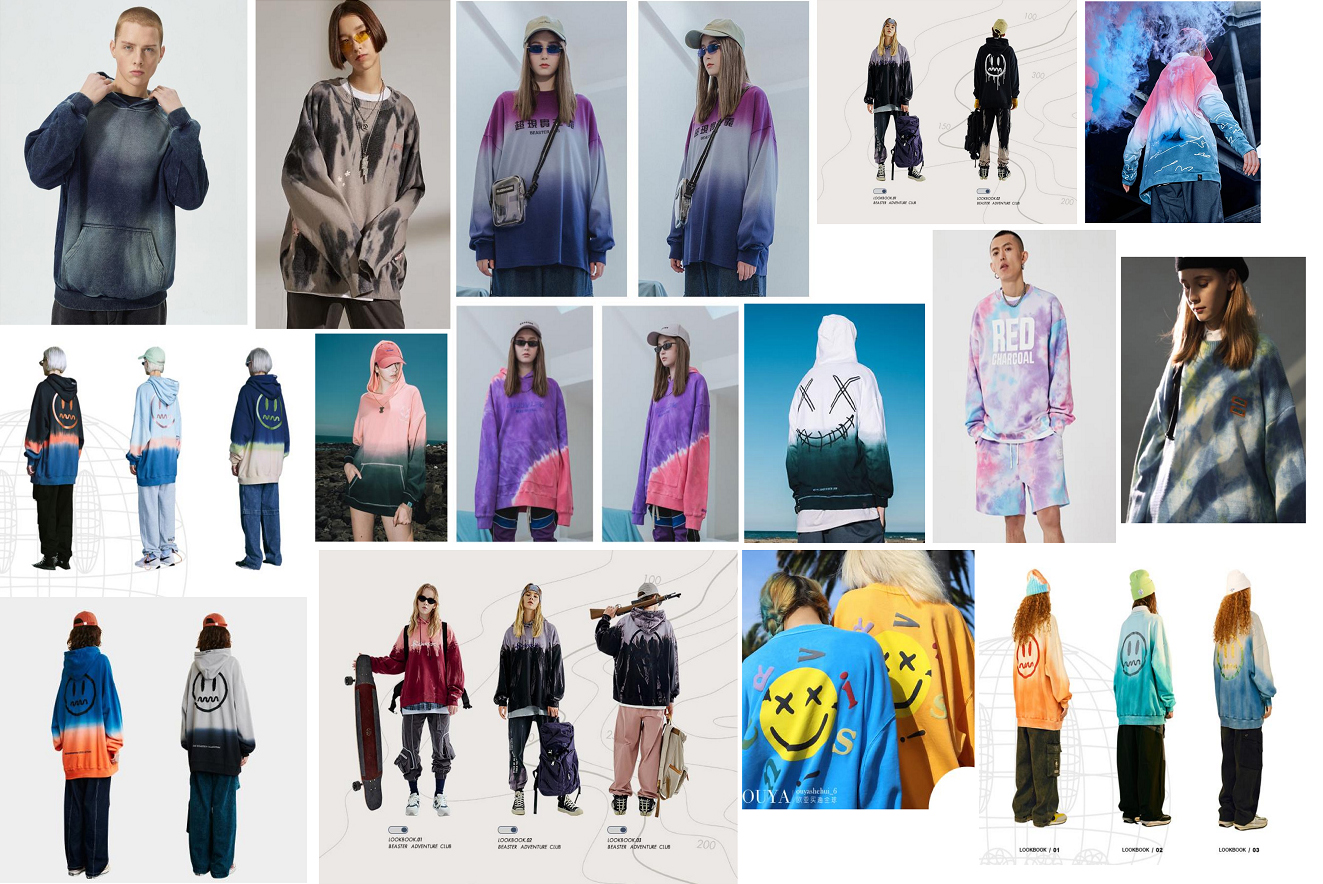
During bulk sewing and processing, our QC inspectors conduct continuous line audits to verify seam strength, measurement tolerances, and printing alignment.

Before container loading, representative samples are selected from finished cartons to confirm packaging integrity, barcode tags, carton weights, and folded aesthetics.



We coordinate sea, air, and multi-modal logistics from Ningbo Port, managing customs documentation, import/export certificates, and insurance coverage to support door-to-door transit.
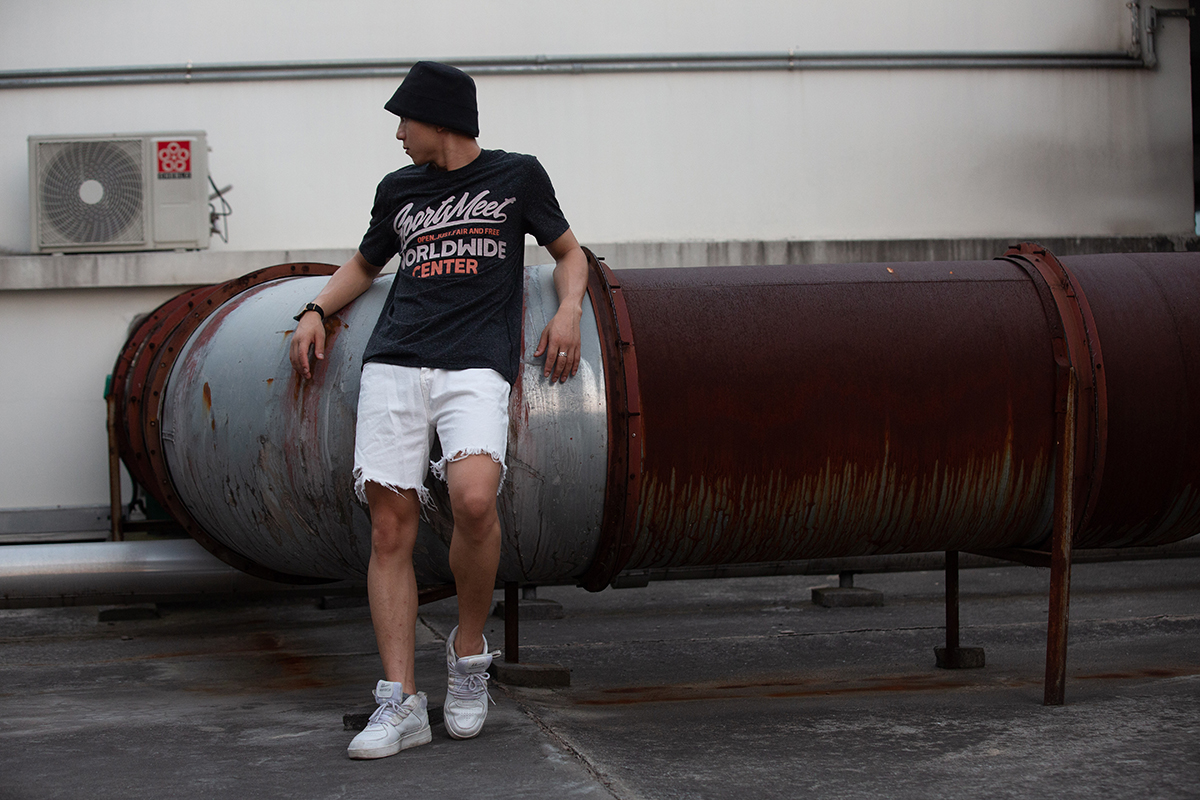


To verify our manufacturing infrastructure, watch our production processes, cutting technologies, sewing lines, and quality control systems in operation.
Traceability from raw yarns to finished cartons
Manufacturing defect rate on final export audits
Balancing flexible production volumes with certified raw material sourcing to mitigate market risks
Our manufacturing network includes both automated, high-output production facilities and specialized, smaller sewing workshops. This structure allows us to support varied order volumes, helping brands scale production from initial sample runs to larger quantities.
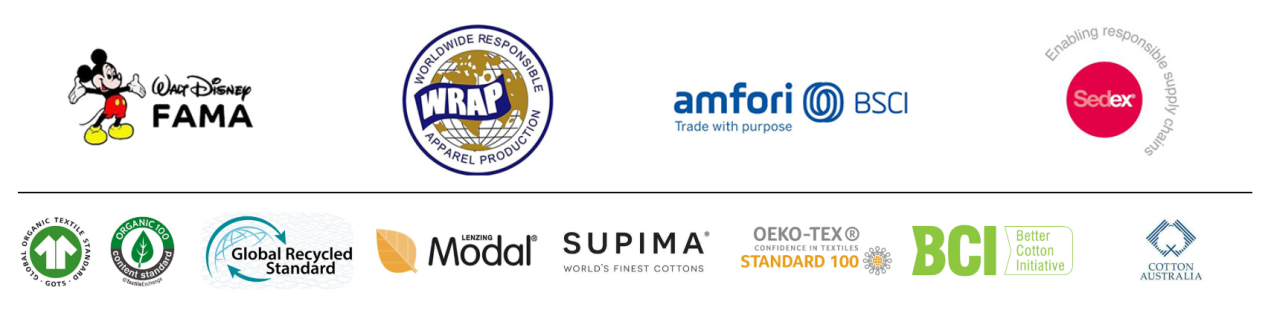
We work with established textile mills that supply materials certified under Oeko-Tex Standard 100, BCI, GRS, Organic Cotton, and Lenzing Modal. This allows us to offer alternative fabrics that match targeted design characteristics and cost parameters when raw materials face high minimum order requirements.
Relying on our in-house pattern room and design resources, we coordinate the development process from initial style sheets to finalized garments. We offer functional, eco-certified fabric alternatives to help clients reduce initial fabric commitments while maintaining design intent.
Additionally, we introduce new fabrications, textures, and eco-friendly finishes to our library quarterly. This ongoing research supports brand styling differentiation and aligns with sustainability goals.
Ensuring compliance with local product safety guidelines and import regulations across destination markets
We verify compliance with lead content limits, phthalate thresholds, flammability standards (16 CFR Part 1610), and tracking label requirements under the Consumer Product Safety Improvement Act (CPSIA).
Our chemical usage and dye processes comply with REACH limits (EC 1907/2006) for restricted substances, azo compounds, and heavy metal concentrations in finished garments.
We apply specific manufacturing and storage procedures to satisfy Japan's strict formaldehyde regulations (Law No. 112) for adult and infant apparel items.
| Target Region | Core Standards & Certifications Required | Jinmao Sourcing Solutions | Logistics & Customs Support |
|---|---|---|---|
| North America | CPSIA, ASTM Flammability, FTC Fiber Rules, C-TPAT Compliance | BCI cotton blends, recycled fleece, certified heavy-knit cotton | Ningbo Port direct clearance, duty-optimized shipping schedules |
| European Union | REACH, OEKO-TEX Standard 100, GRS, Eco-Labeling Directives | Organic yarn bases, OEKO-TEX certified dye factories | CE compliant labeling, EUR.1 movement certificates where applicable |
| Asia-Pacific & Japan | Formaldehyde Law 112, JIS L1096 standards, GB 18401 | Hypoallergenic cotton, enzyme washed fleece, pre-shrunk structures | Clean customs inspection documentation, direct air/sea logistics channels |
Deploying digital design tools, automated cutting systems, and circular material sourcing models
We utilize 3D virtual fitting models to simulate how different weight fabrics drape. This digital verification step reduces the physical sampling rounds required, accelerating styling approvals.
Computerized pattern nesting algorithms optimize cutting layouts on heavy fleece rolls, reducing raw material waste by up to 15% compared to manual cutting methods.
We are working to expand our sourcing of chemically recycled polyester and post-consumer cotton inputs to support closed-loop garment production options for our clients.
Direct responses regarding pricing, ordering requirements, compliance documentation, and production schedules











 Jinmao