The global demand for high-performance thermal streetwear, specifically Men's Sherpa Jackets, has seen a structural transformation. Once considered purely functional insulation gear for regional cold climates, high-pile fleece garments have transitioned into mainstream urban lifestyle staples and corporate uniforms. The intersection of technical performance and outdoor-inspired aesthetics has driven substantial growth in key retail channels across North America, Europe, and Northeast Asia.
Modern consumers demand hybrid functionality: jackets that offer micro-climate body temperature regulation alongside premium wind protection. Wholesale buyers, outdoor brands, and department store sourcing agents are increasingly looking for sophisticated raw material formulations. This includes high-density recycled polyester (rPET) bonded with soft polar fleece linings, optimized GSM ratings, and water-repellent (DWR) surface finishes. To sustain brand loyalty, international procurement teams require reliable manufacturing facilities capable of delivering customized technical specs while satisfying global environmental and labor compliance frameworks.
China's textile heartland, centered in manufacturing powerhouses like Zhejiang and Jiangsu, offers a highly coordinated apparel cluster that cannot be easily replicated. When sourcing wholesale men's Sherpa jackets, the advantages of Chinese factories extend far beyond basic labor cost benefits. The primary drivers of competitive advantage are integrated supply chains, automated fabric processing technology, and rapid prototyping capability.
Unlike regional workshops in developing economies, major Chinese apparel manufacturers have direct pipelines to local spinning, weaving, dyeing, and finishing mills. This geographic proximity allows us to rapidly secure custom yarn-dyed fabrics, recycled polyester, and specialized technical trims within hours instead of weeks. Additionally, it enables immediate compliance with global sustainability standards like the Global Recycled Standard (GRS) and Oeko-Tex Standard 100.
From CAD-controlled laser cutting patterns that minimize fabric waste by up to 15% to automated double-needle stitching machines that guarantee seam strength on thick, multi-layered Sherpa fleece, Chinese production lines represent the state of the art. Automated production tracks minimize human error, ensuring that bulk orders maintain size consistency across thousands of pieces per batch.
Founded in the year of 2000, our corporation has built an annual turnover of over thirty million U.S. dollars through 20 years of dedication and structural growth. Today, we stand as the leading garment import and export company in Ningbo City. We are deeply committed to environmental management, holding system certifications for both ISO9001:2015 and ISO14001:2015. With a staff of over 50 dedicated trade and technical professionals, we cover men’s, ladies’, and kids’ wear.
Strategic Assets & Supply Chain Resilience: We coordinate an ecosystem of over 30 long-term partner factories located in Jiangxi, Anhui, Henan, Zhejiang, and other apparel-rich provinces. This network provides a capacity of over 10,000 skilled workers and more than 100 dedicated production lines. This allows us to handle high-volume orders of 10 million pieces annually, while maintaining the flexibility to run low-MOQ test programs utilizing our shared fabric stocks.

We convert sketches, mood boards, or simple photos into tech packs. Our team continuously updates our catalog with functional, trendy, and eco-friendly fabrics.
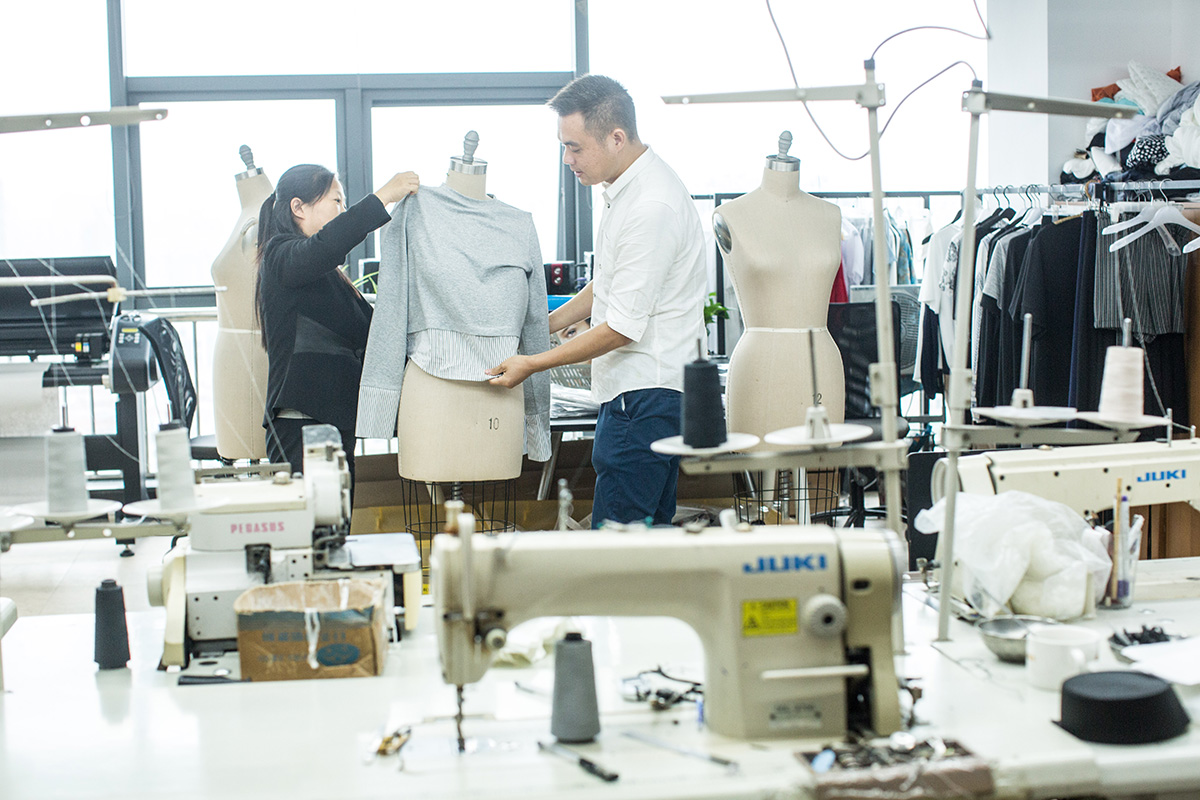
Our internal sample room accelerates sales sampling and proto-development, turning patterns around in 1 to 3 days and fit samples in 7 to 14 days.
Audited by BSCI, WRAP, Sedex, and Disney. We scale production upward or downward based on order size and target retail pricing.
The term "Sherpa Fleece" refers to a heavy-pile knit fabric processed to resemble the crimped wool look of sheepskin. To deliver authentic performance, our mills focus on the precise blend of synthetic fibers. Most commonly, we use a 100% polyester formulation, often incorporating recycled polyester fibers (rPET) derived from post-consumer plastic bottles.
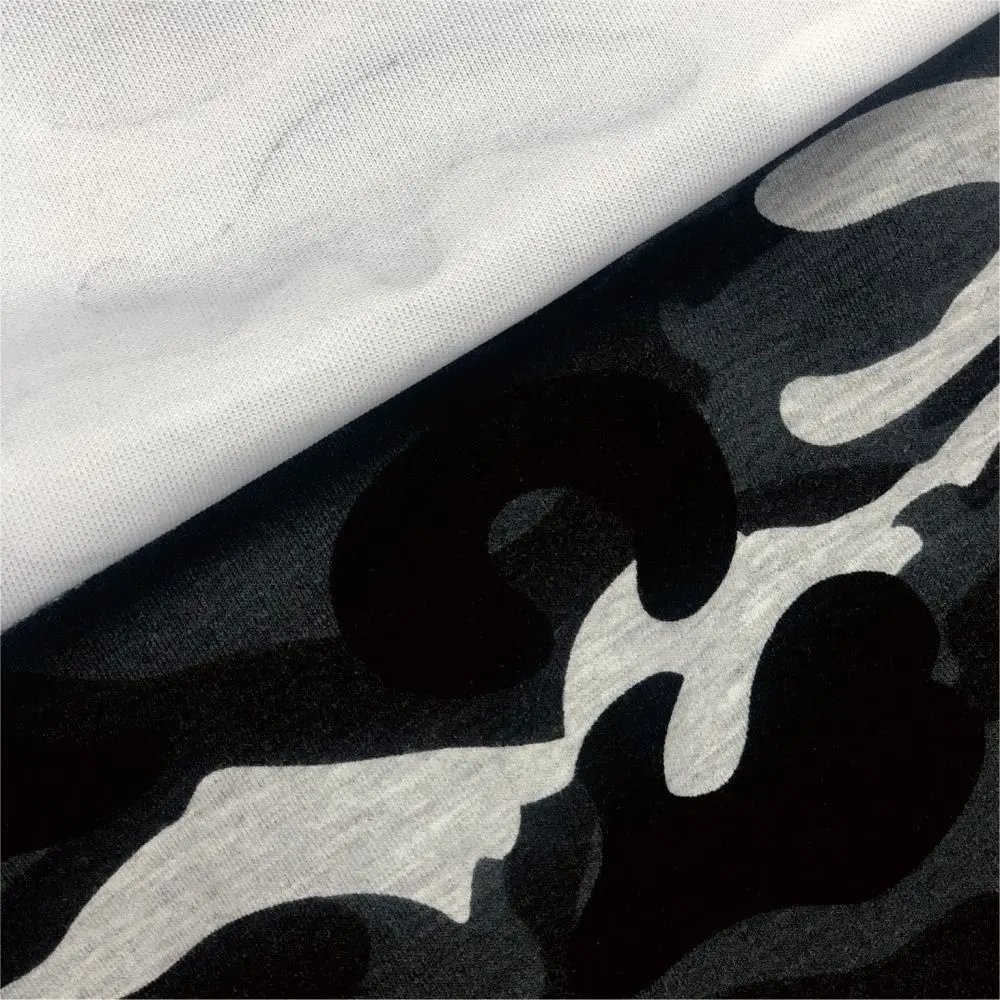
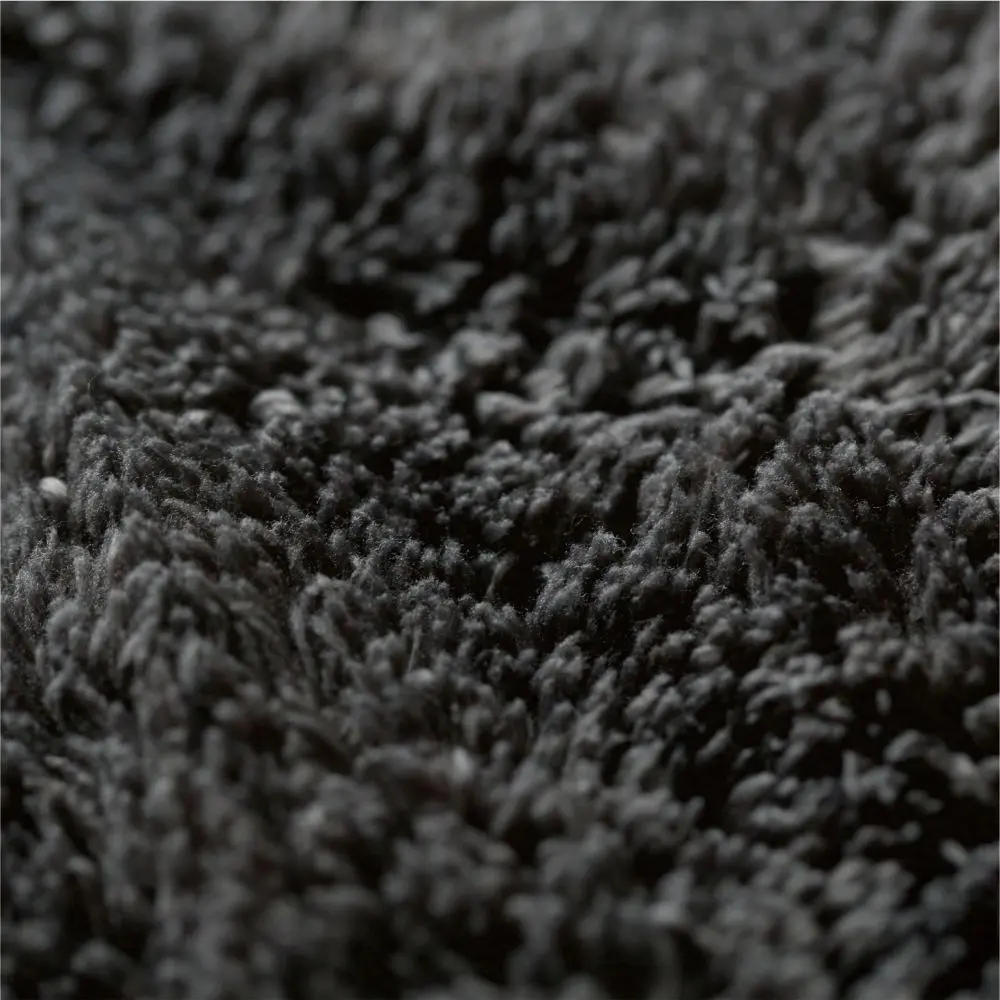
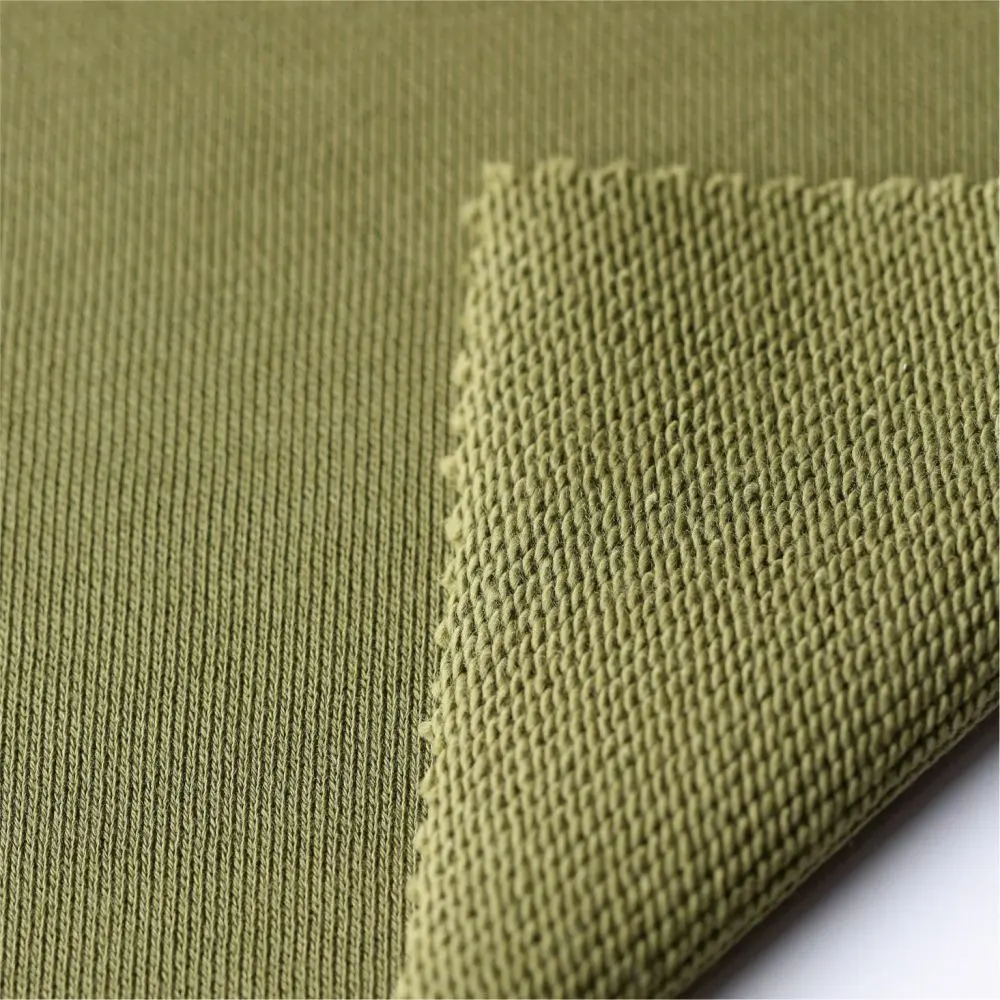
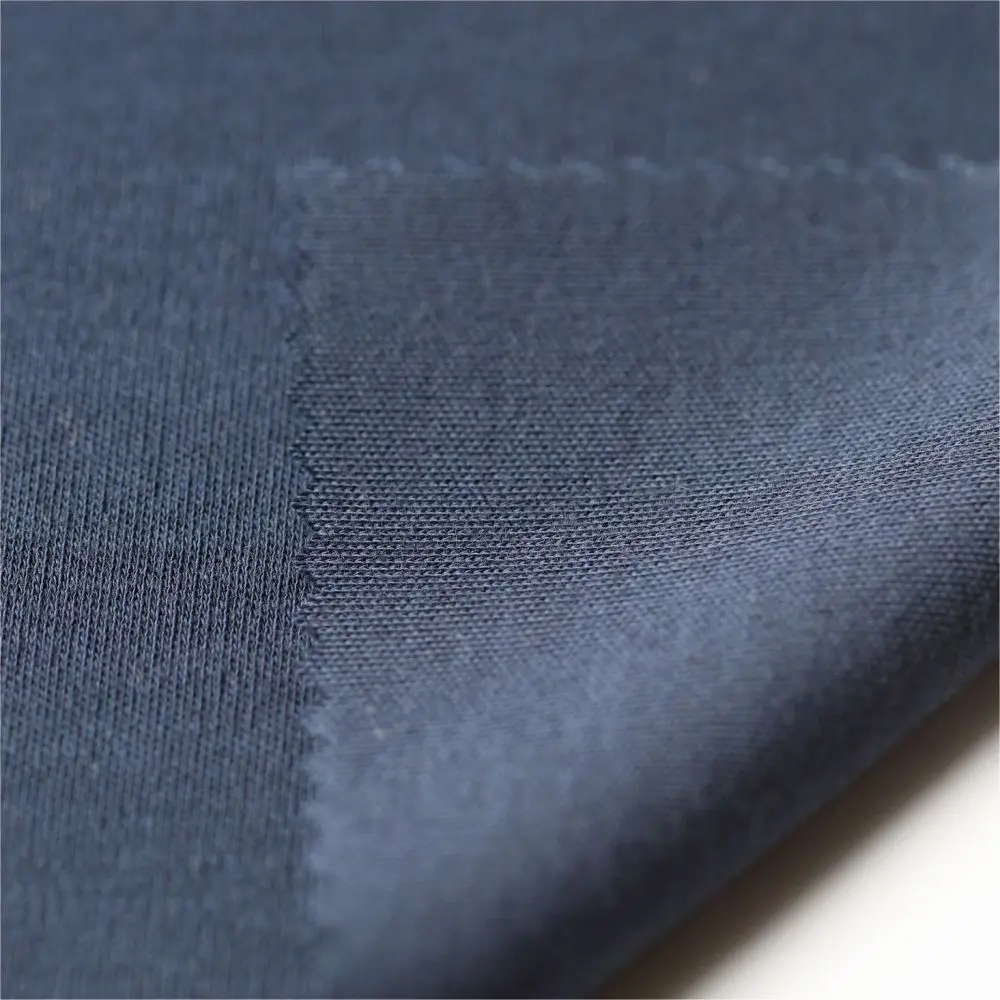
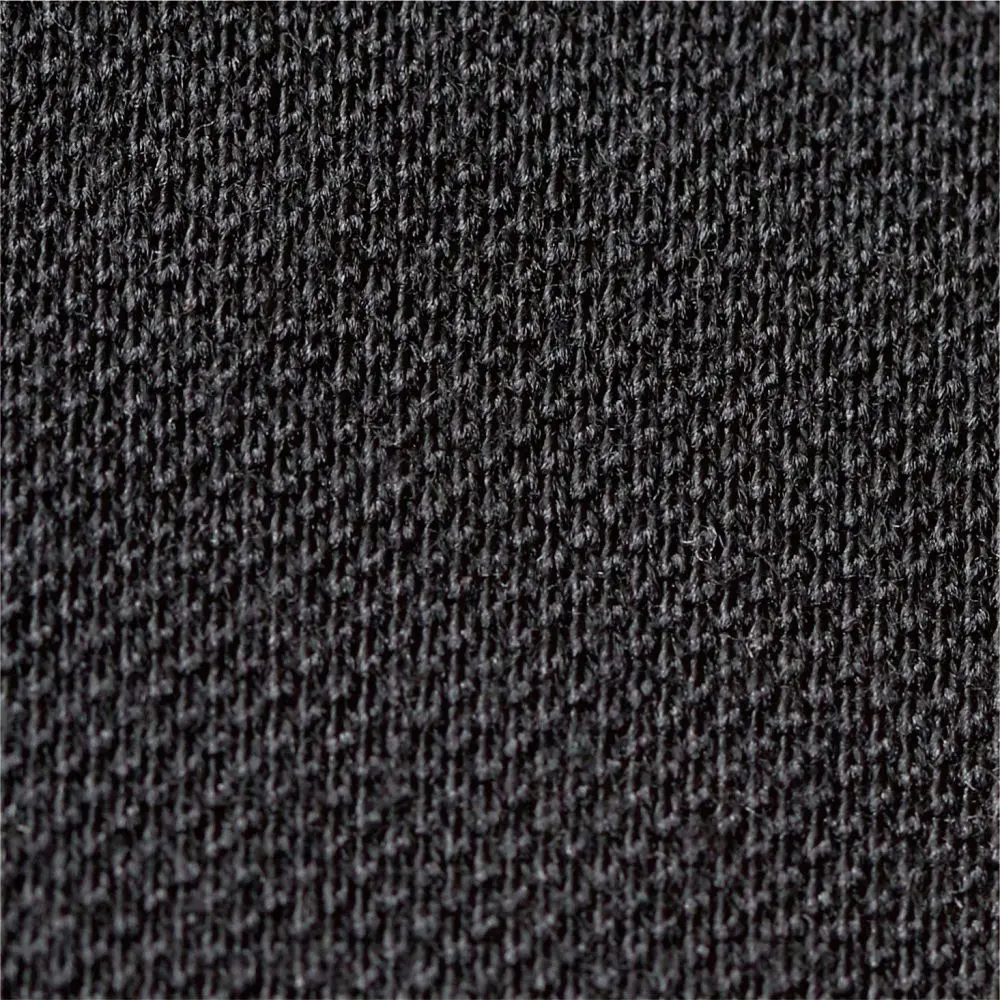
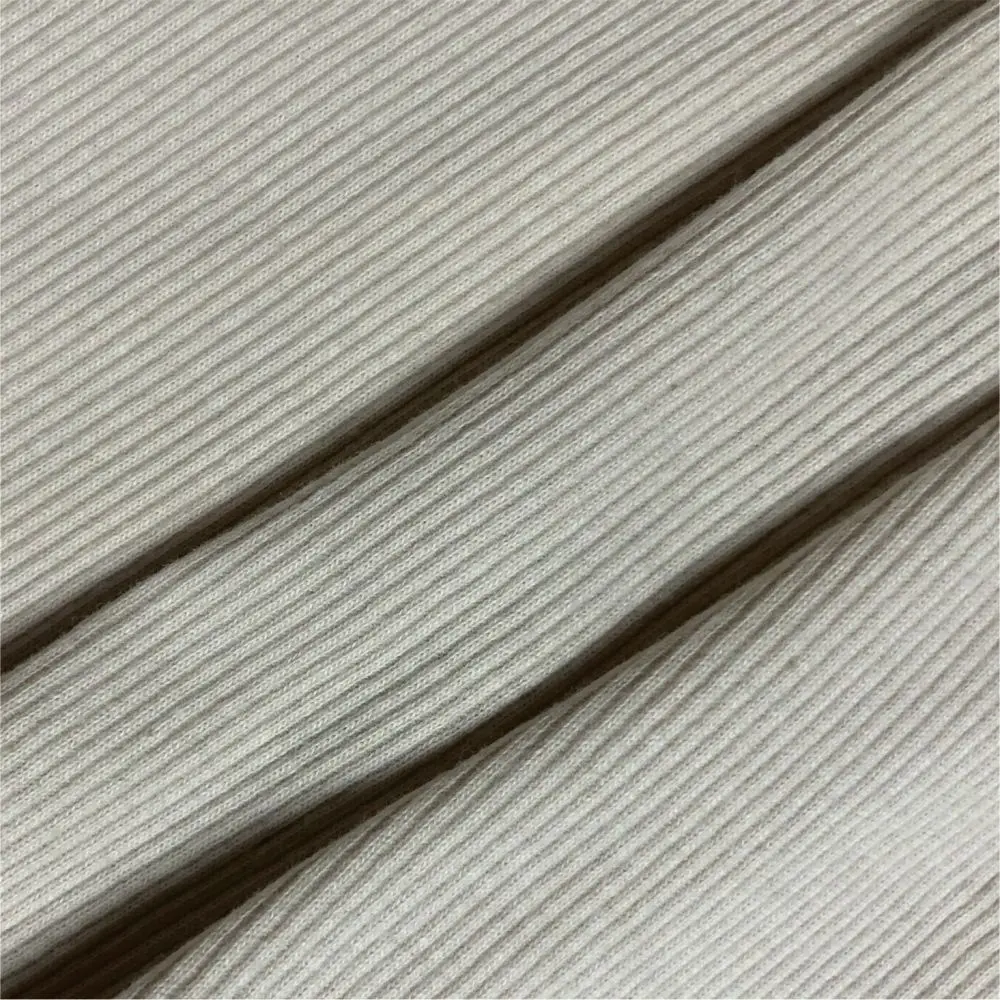
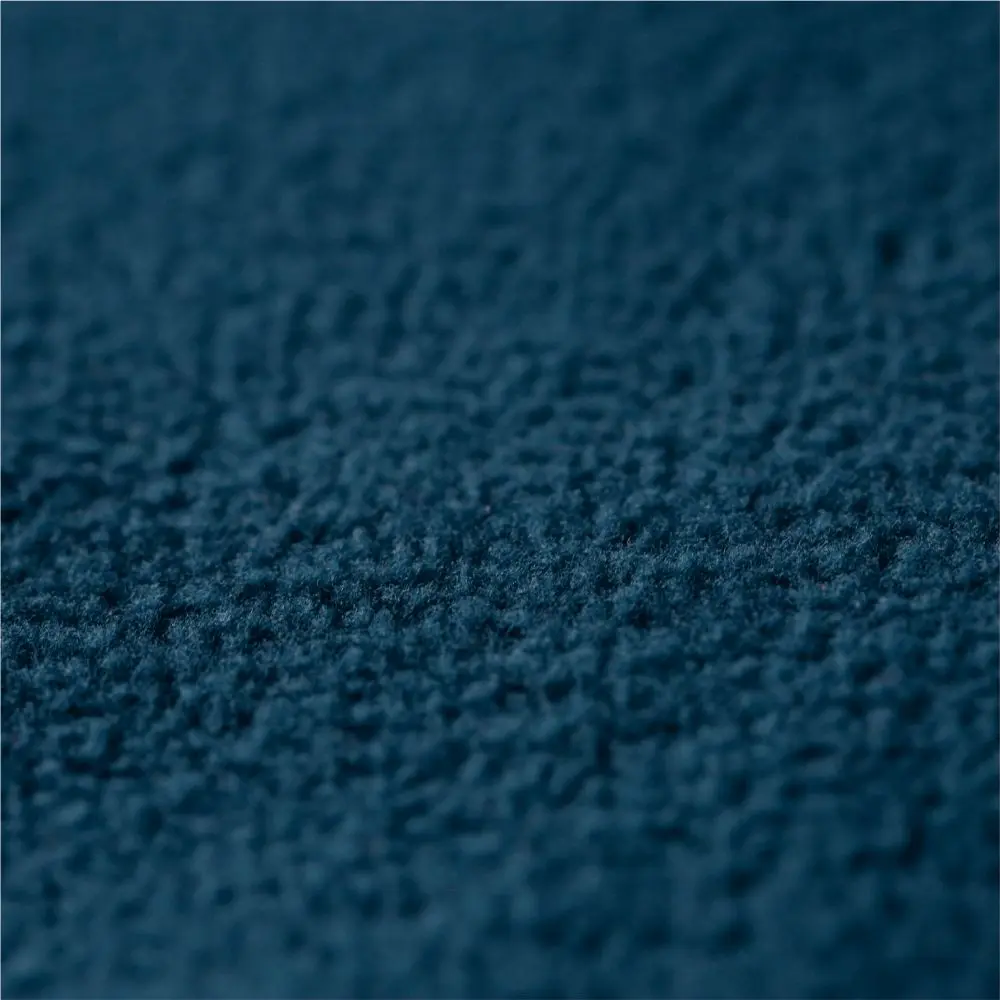
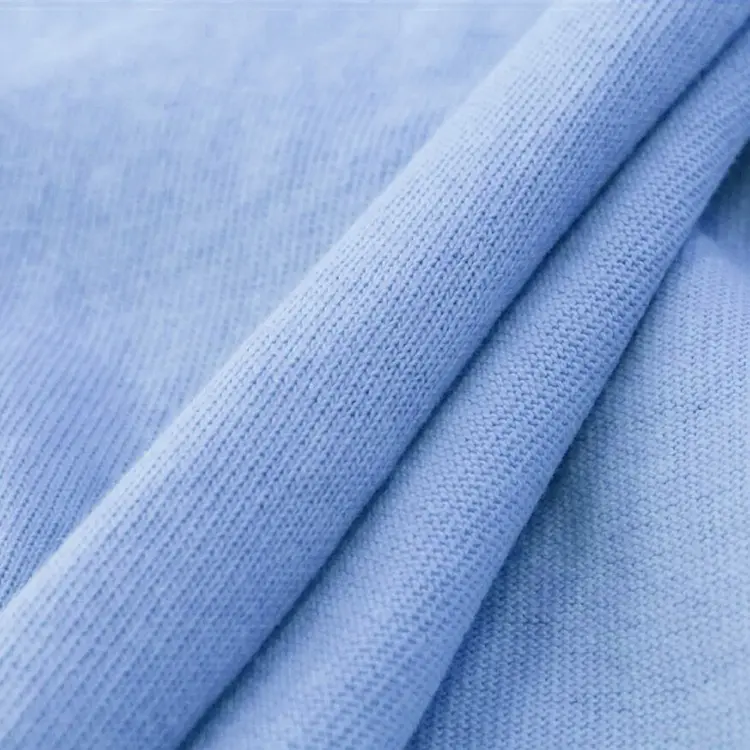
We leverage our deep partnerships with certified raw material suppliers to match your brand requirements. Options include organic cotton, Australian cotton, recycled polyester, Lenzing Modal, and Supima cotton, with certification trails including GRS, BCI, and Oeko-tex.
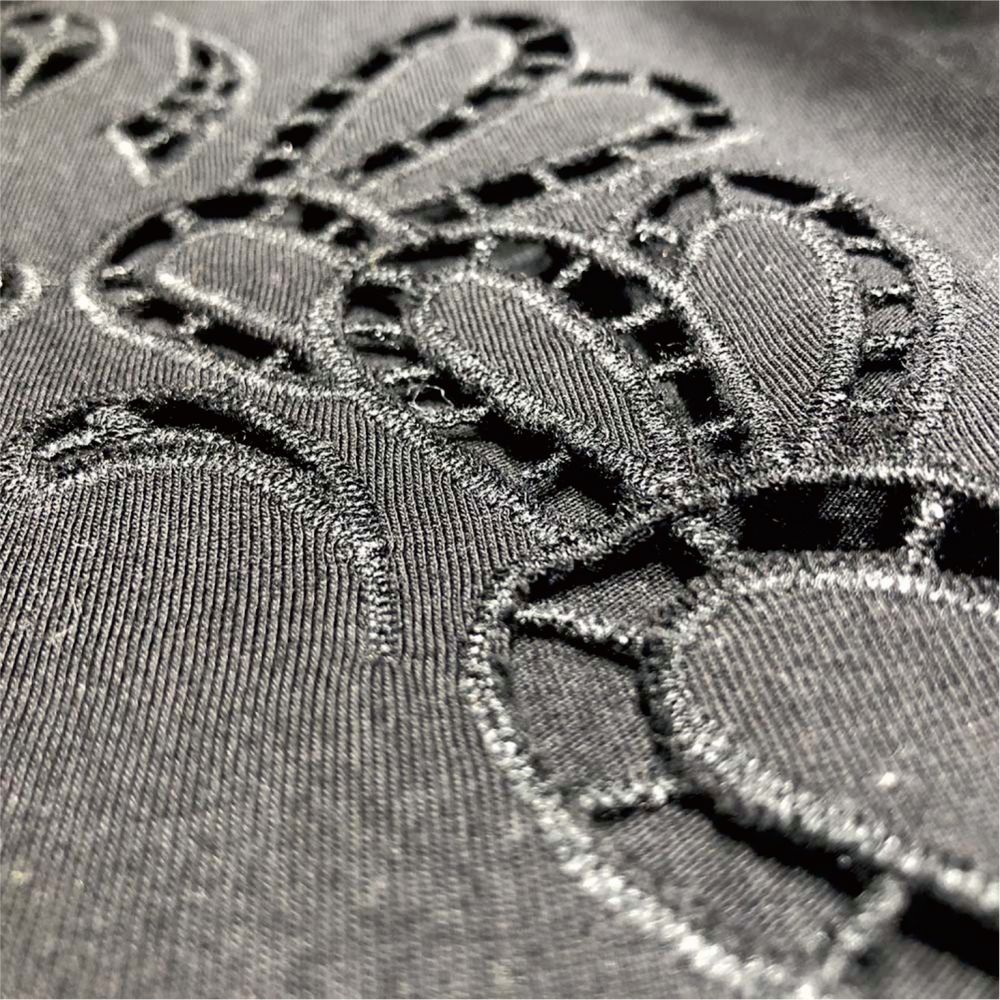
Customizing fleece jackets requires deep fabric-processing expertise. Heavy Sherpa fabrics behave differently than flat cotton knits. We utilize customized machinery to apply prints, embroidery, and textures without compromising the integrity of the pile or causing matting.


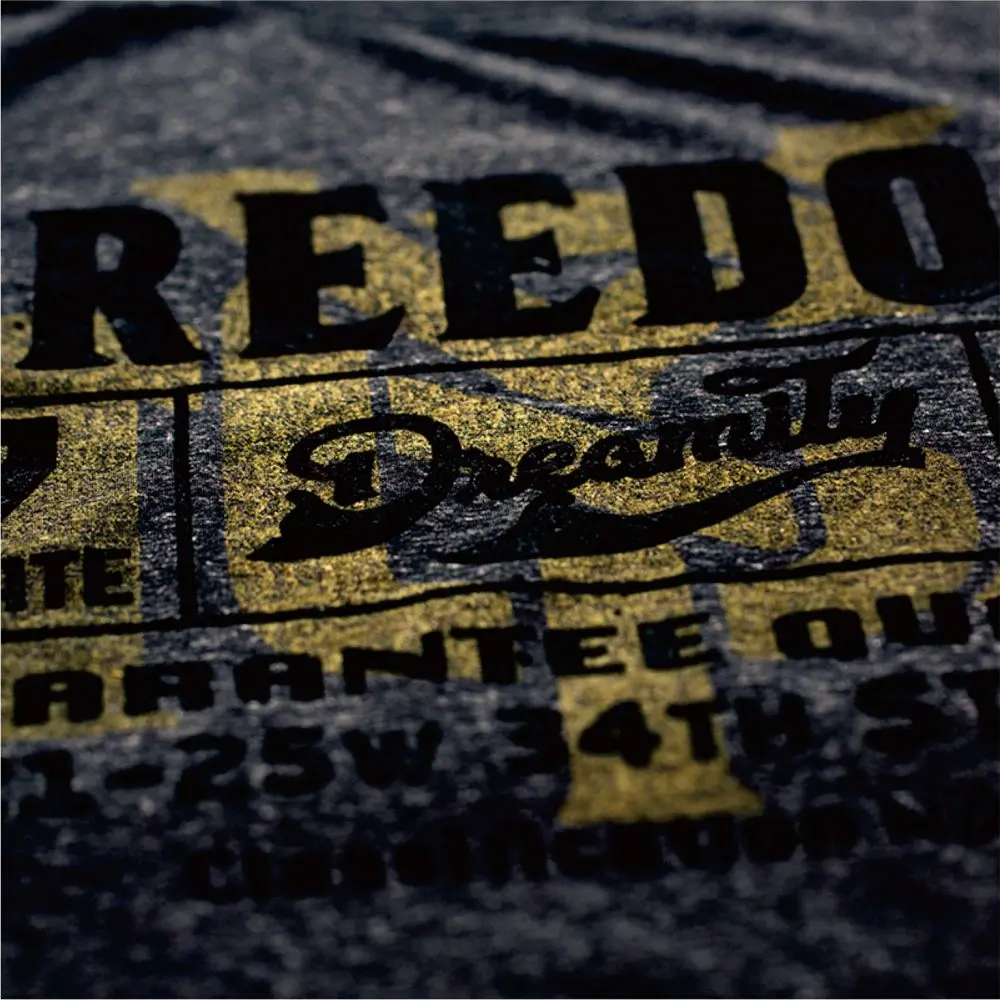
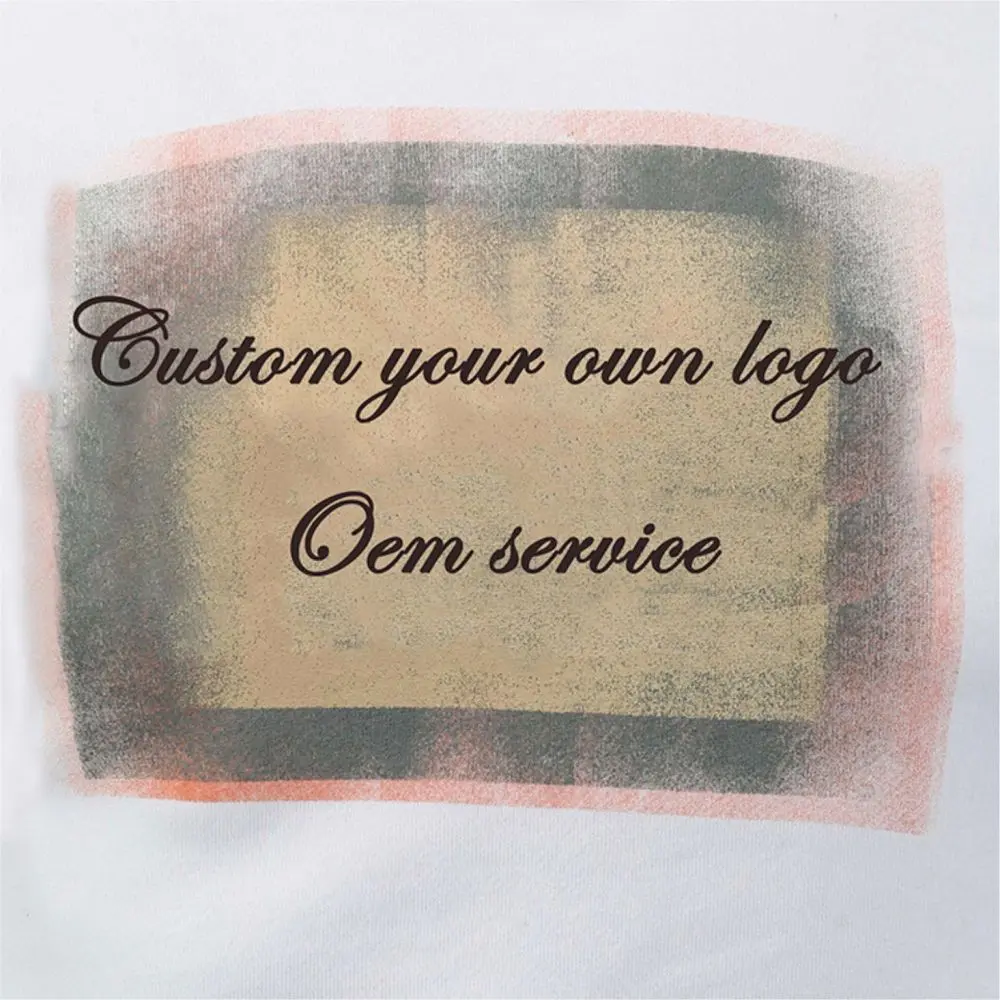
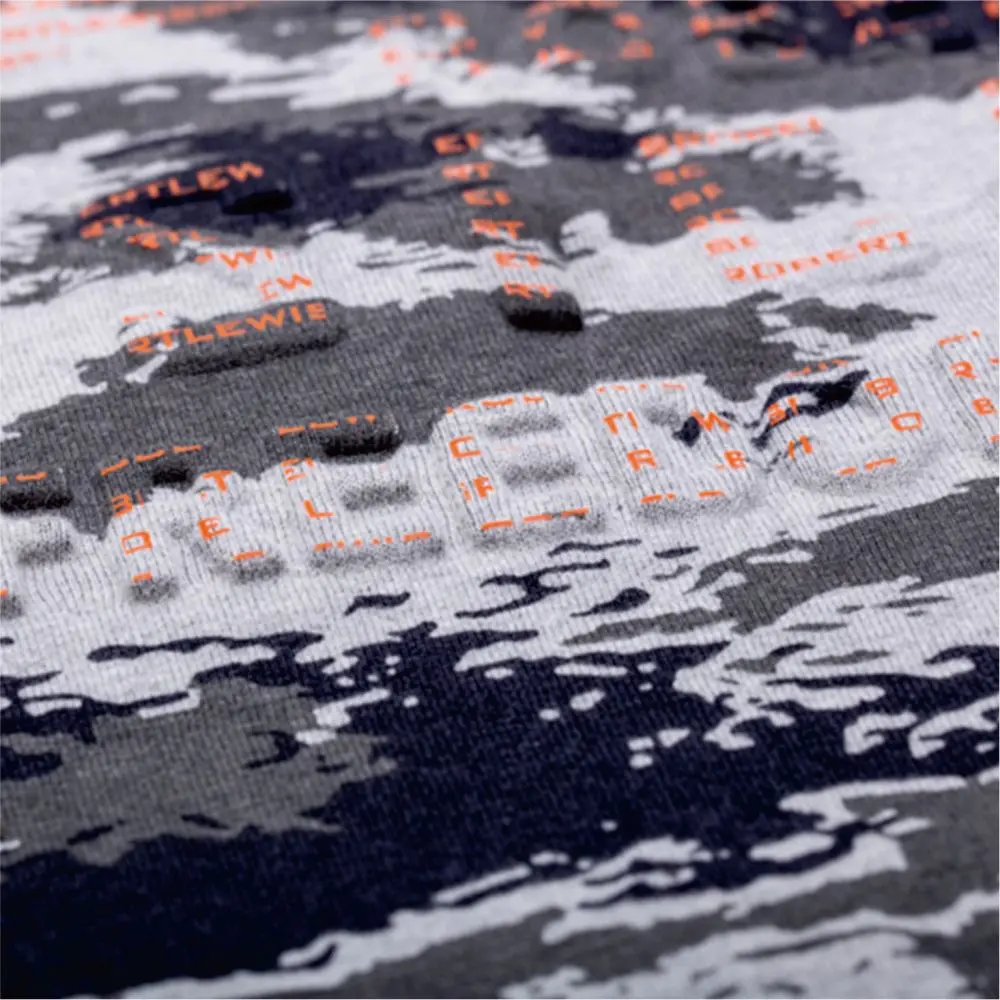
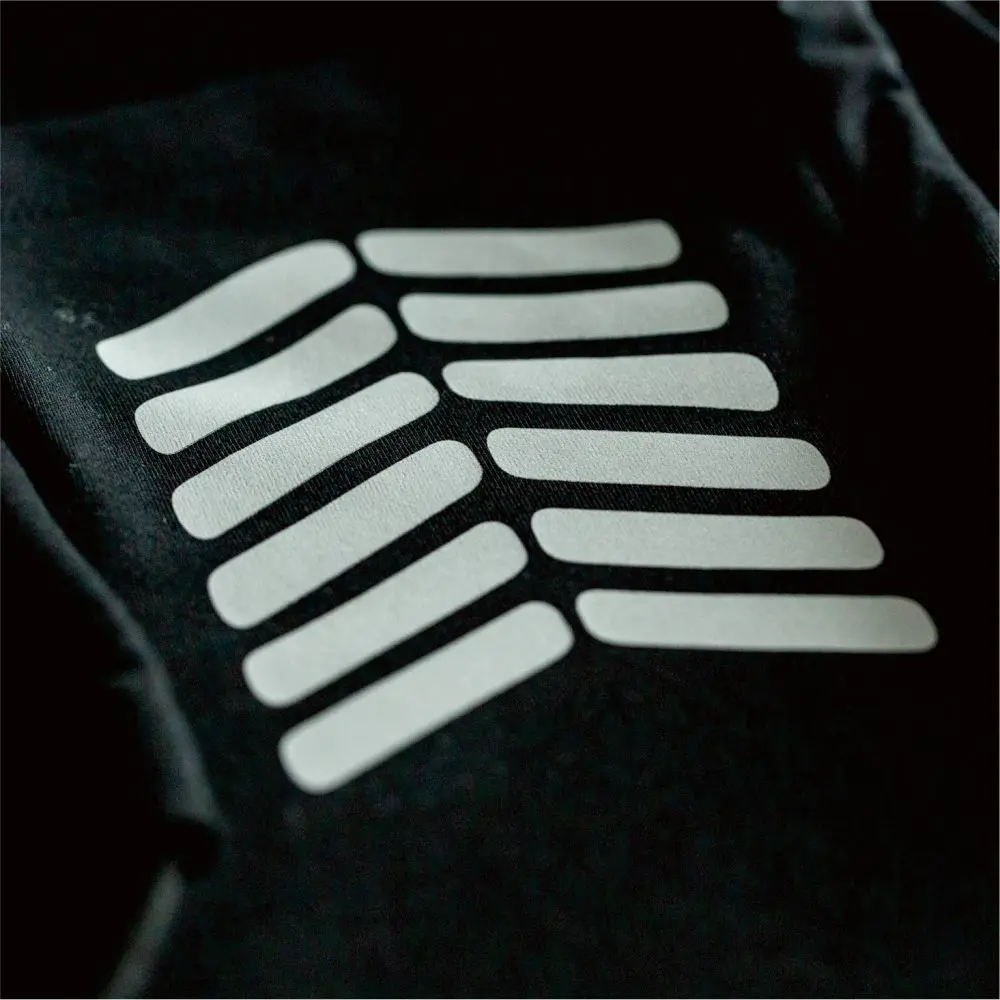
Our embroidery and applique services allow brands to position complex logos and graphic designs onto Sherpa fleece. By combining flat base fabrics with high-pile applique embroidery, we achieve a modern aesthetic popular with sportswear and streetwear brands globally.
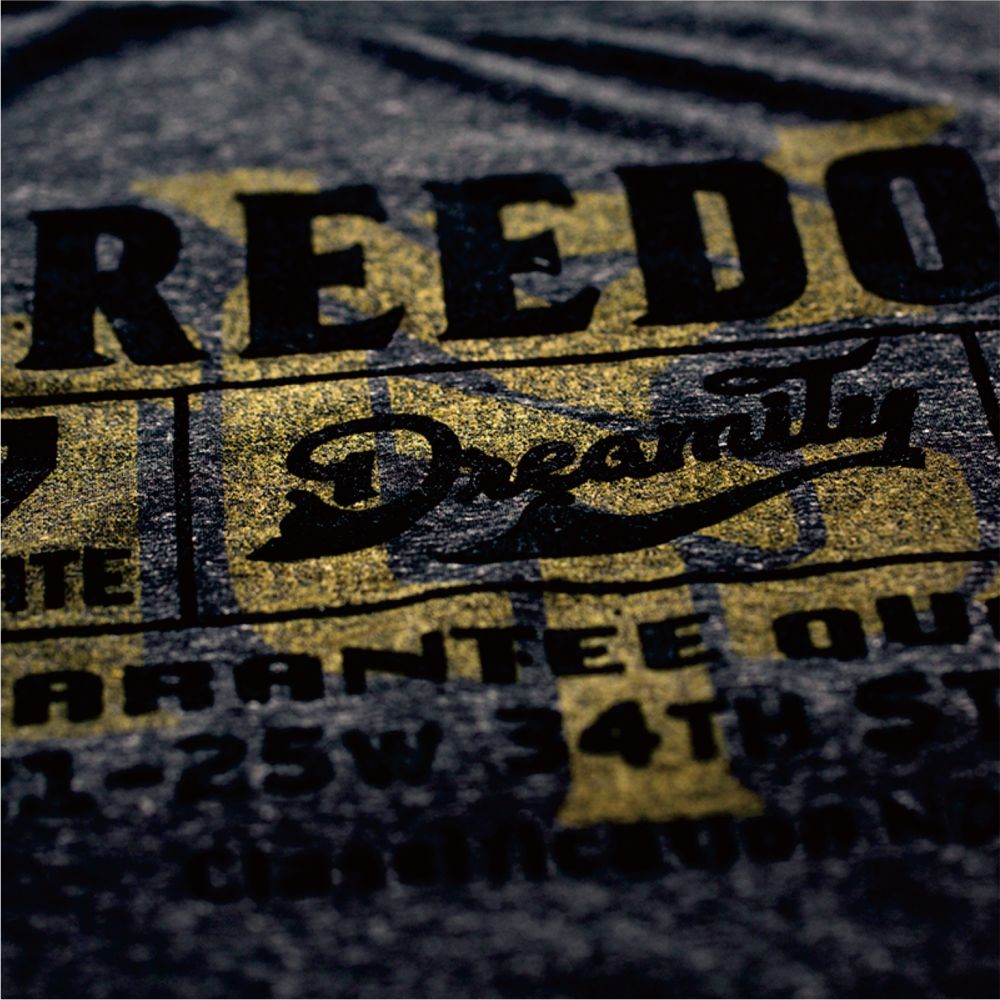
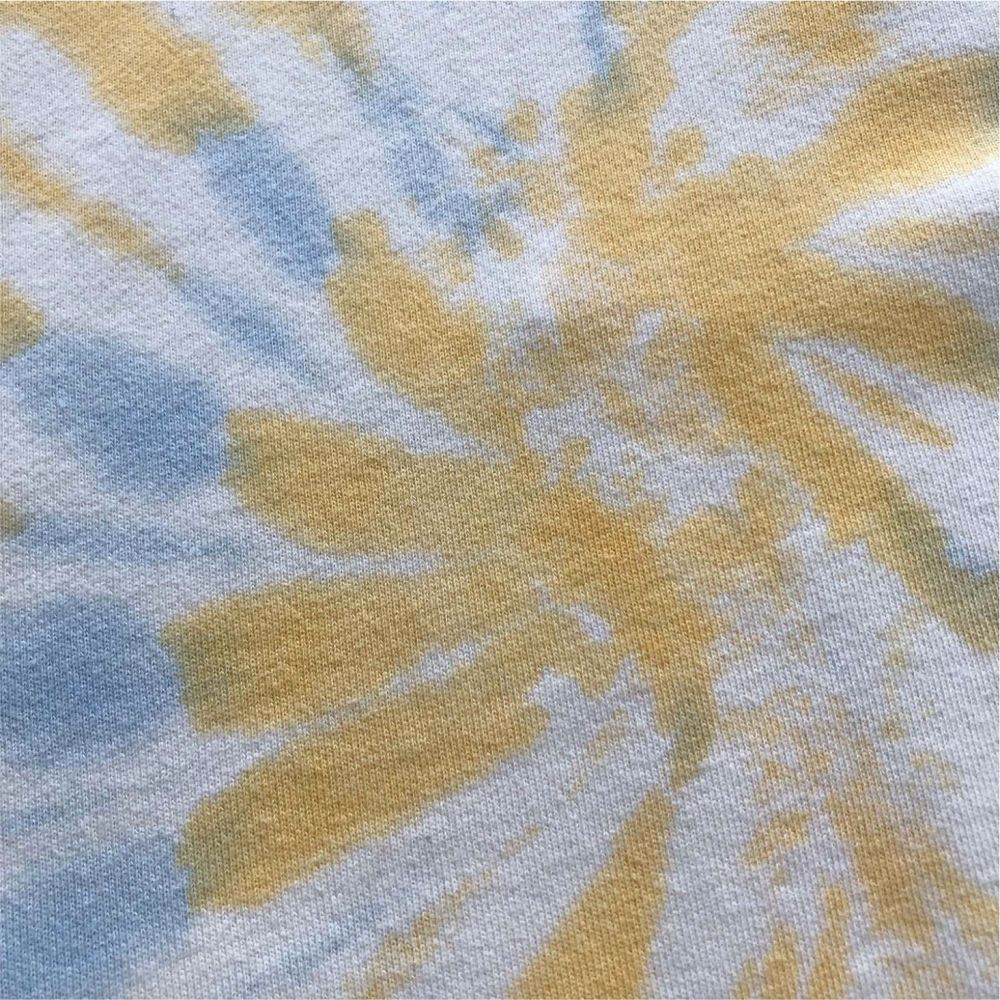
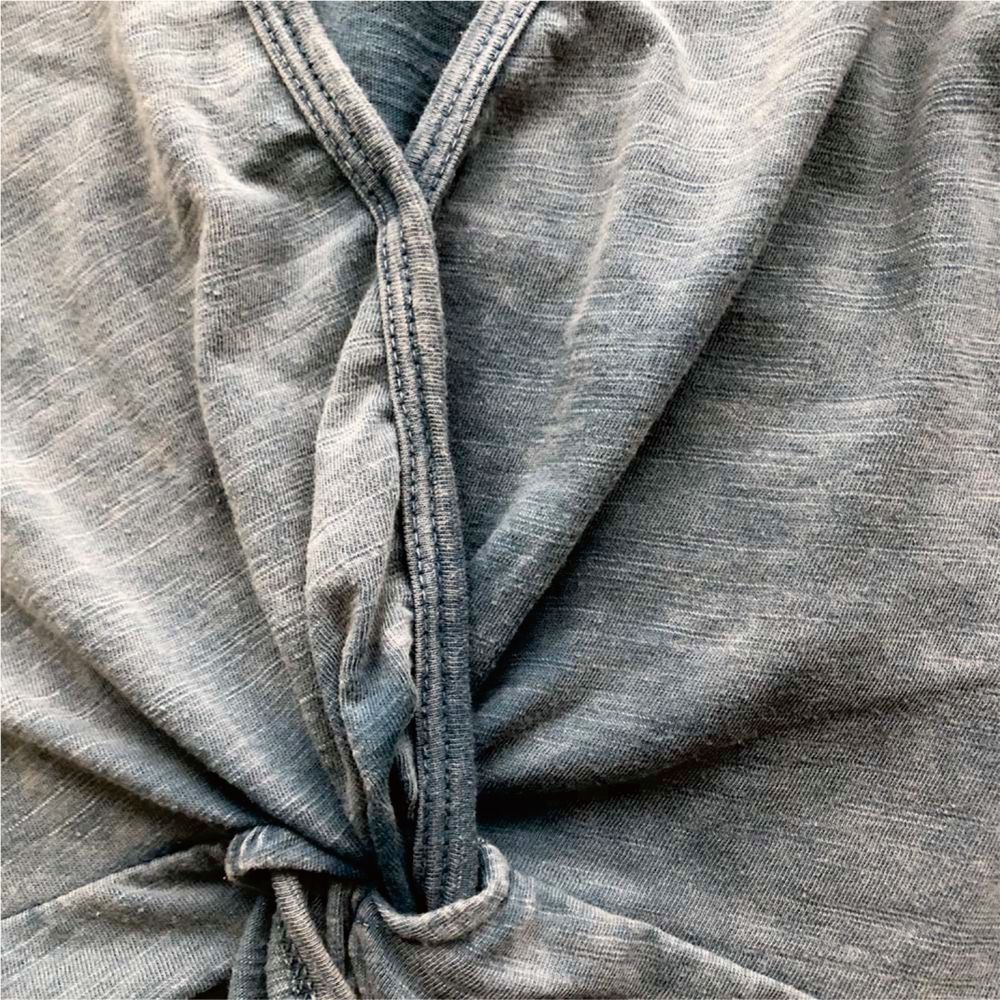
Securing a premium product requires structural quality control checkpoints. Ningbo Jinmao operates a dedicated path for bulk production validation, ensuring that size specs, fabric qualities, and packaging standards match our customers' specifications exactly.
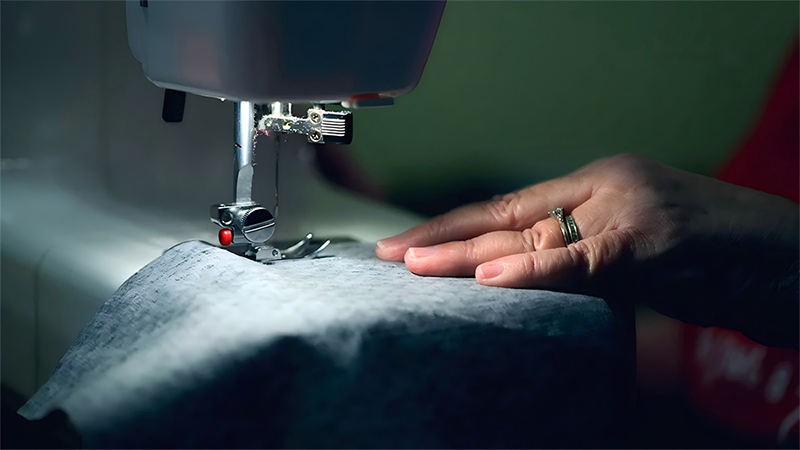
We generate fit samples using final fabrics to verify draping, size measurements, comfort, and structural mobility.

We confirm color lab dips, zippers, thread tension, wash labels, hangtags, and packaging materials prior to bulk release.
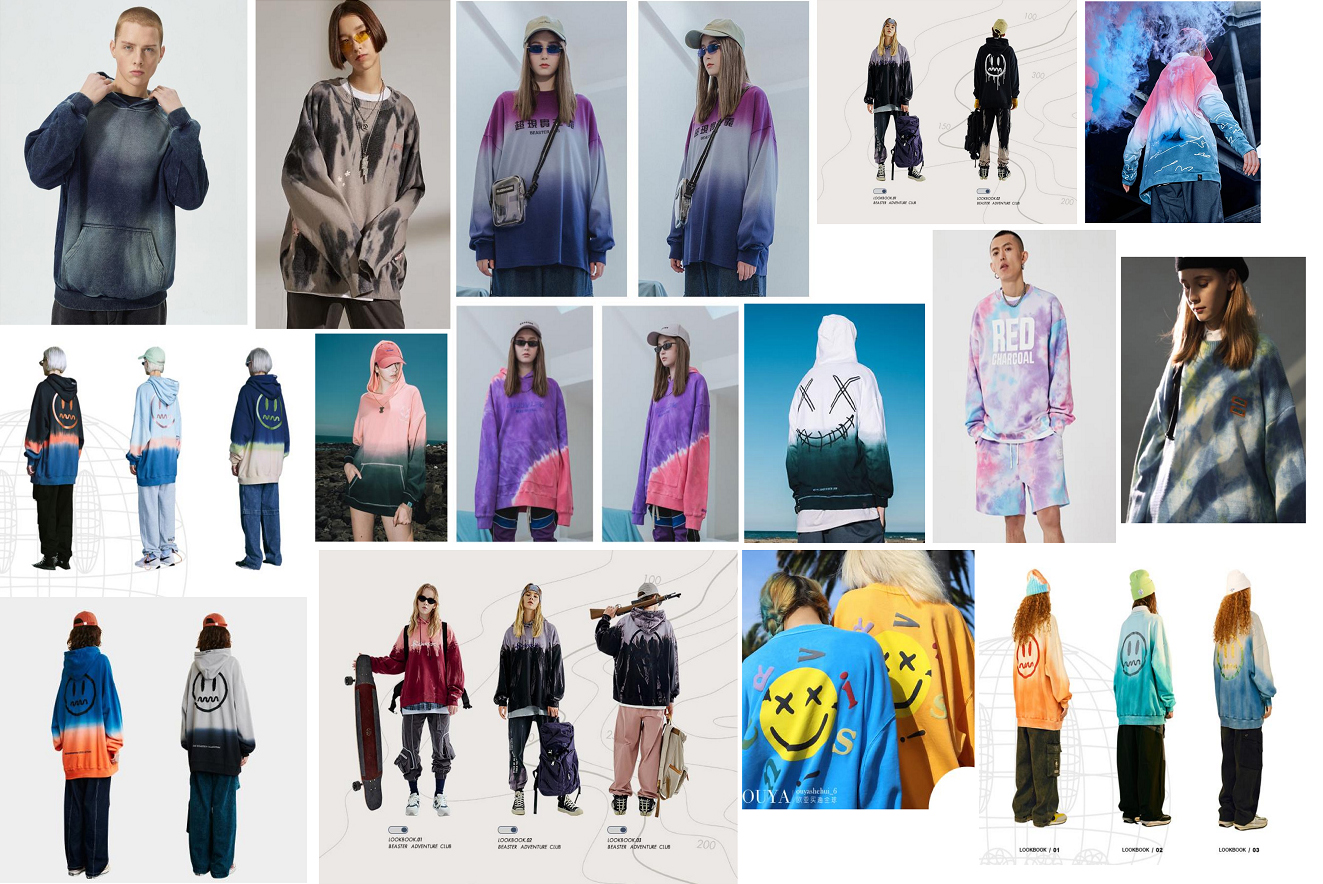
The PP sample acts as the golden master. Mass production commences only after the client approves this physical prototype.
Sourcing from China requires compliance with local import regulations in destination countries. We assist global procurement departments, distributors, and brands by maintaining certificates and audit verifications.
Our partner factories hold certifications with BSCI, WRAP, Sedex, and Disney. This ensures compliance with labor practices, environmental targets, and ethical manufacturing requirements in European Union countries, North America, and Japan.

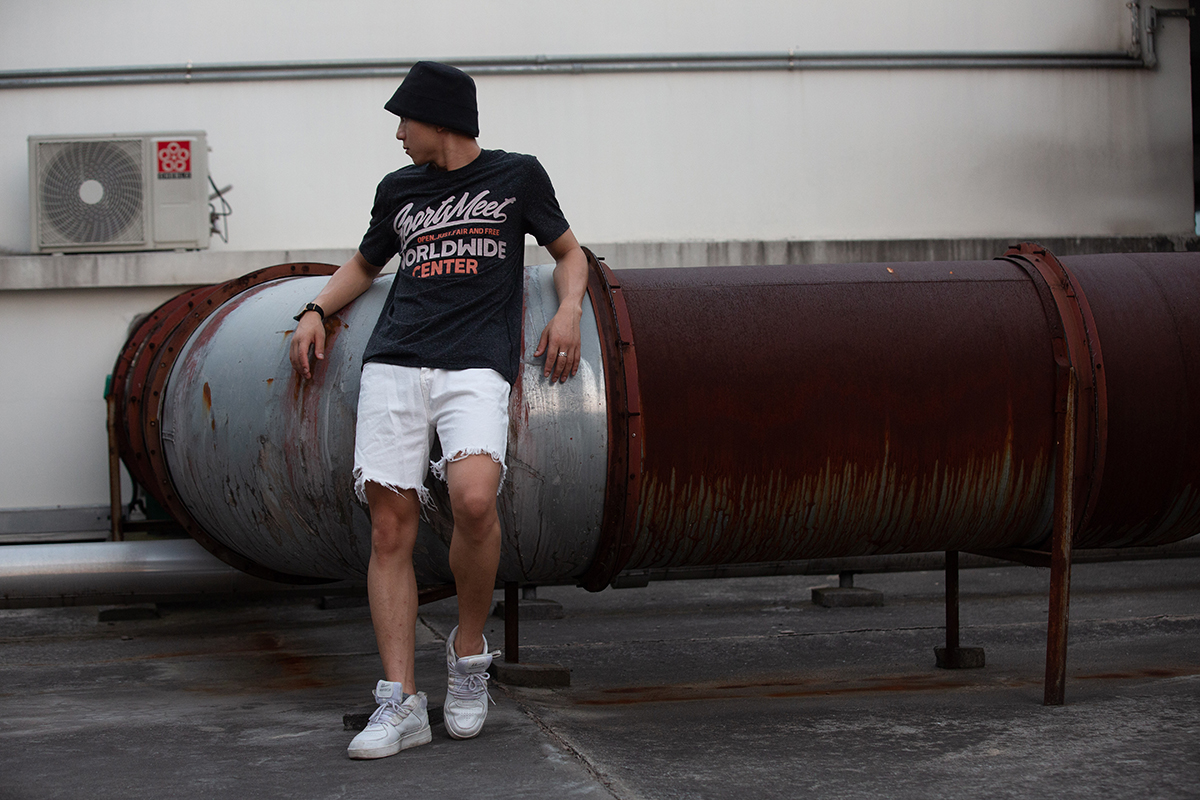

Sherpa Jackets serve multiple markets, including premium outdoor recreation and urban lifestyle brands. Sourcing strategies vary depending on the target application.
Outerwear developed for variable conditions requires windproof TPU membranes and micro-polar fleece backings. Fabrics are treated with DWR to resist light rain and moisture.
Urban apparel brands focus on fabric weight, hand-feel, and style details, such as chest utility pockets and custom logo embroidery.
The manufacturing and sourcing of high-pile fleece garments is shifting toward sustainability. In response to global policies and customer expectations, brands are transitioning toward recycled materials.
Using mono-material fabrics—such as 100% recycled polyester for the shell, backing, zippers, and sewing thread—simplifies recycling. This facilitates post-consumer recovery and helps brands meet eco-label standards in markets like the European Union.
Additionally, waterless dyeing processes, biological stain treatments, and bio-based fibers are emerging as key areas of innovation. These technologies reduce energy and water consumption during finishing, aligning with corporate sustainability initiatives.
Comprehensive and cooperative partnerships featuring quality, mutual benefit, and long-term development.














 Jinmao